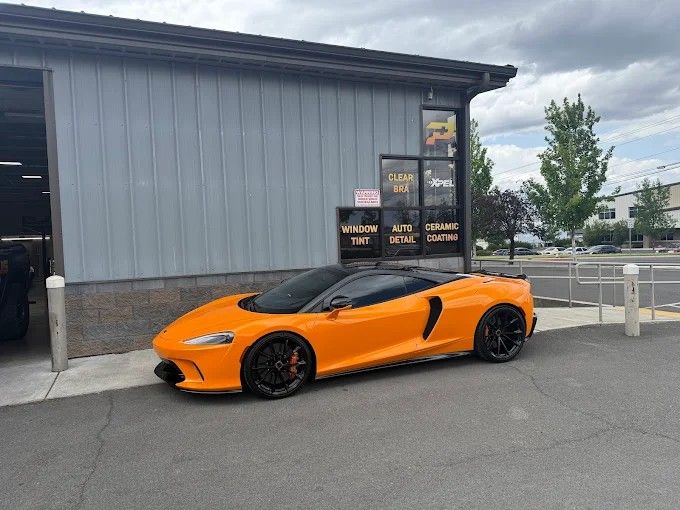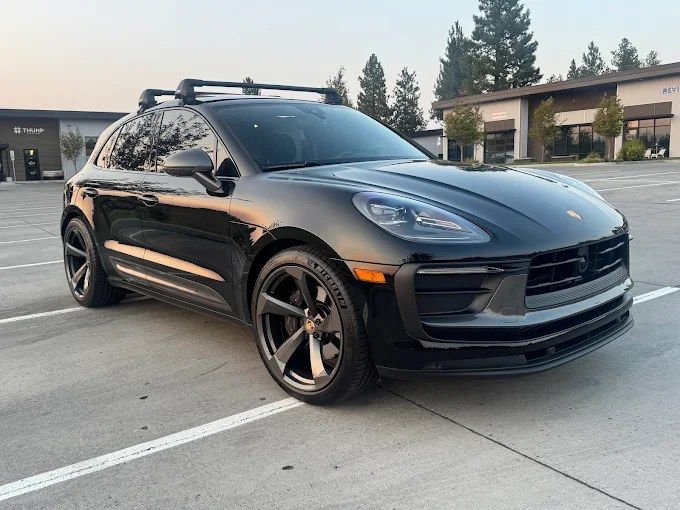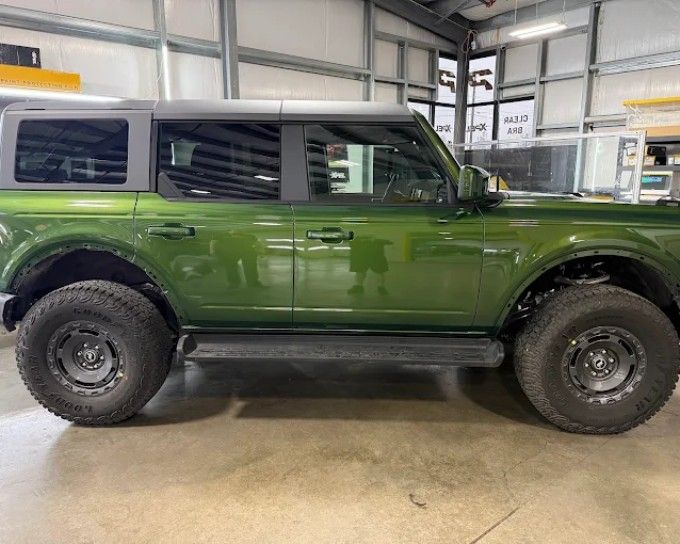
Central Oregon winters are hard on a vehicle's front end. To keep icy roads driveable, crews spread sand, cinders, and gravel for traction, and once traffic gets moving, all of that grit becomes airborne. Every mile behind another vehicle turns into a light sandblasting of your hood, bumper, and windshield surround, and a single kicked-up stone can leave a chip that spreads. One of the best defenses is professionally installed paint protection film, a clear, tough layer that takes those hits so your paint does not have to. Here is how it stands up to a Central Oregon winter, and what you can expect from it through the season.
What Central Oregon Roads Throw at Your Front End
Unlike regions that rely mainly on salt, Central Oregon leans heavily on traction material. The Oregon Department of Transportation and local crews spread sand and cinders for traction on snowy and icy routes, alongside liquid de-icer. That traction grit does its job underfoot, but it does not stay on the road. Passing traffic flings it up at speed, and highway driving turns loose sand, cinders, and gravel into a steady stream of small, hard impacts against the leading surfaces of your vehicle.
Individually, these hits are tiny. The problem is that they are constant, and they land on the same areas drive after drive. Over a single winter, an unprotected front end can pick up a scattering of chips and fine abrasions, and each one that breaks through the clear coat becomes a foothold for moisture, de-icer, and corrosion. What looks like cosmetic wear early on can quietly turn into a bigger, more expensive problem by spring.
Why High-Contact Areas Benefit Most
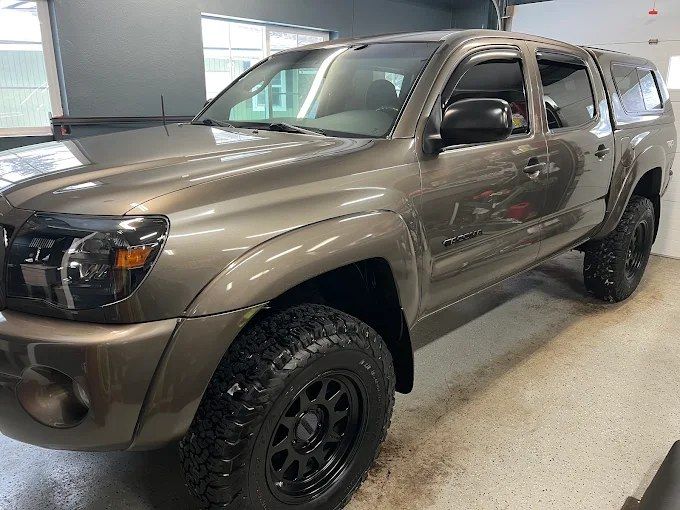

Not every panel faces the same barrage. The debris kicked up off winter roads concentrates on the vehicle's leading, high-contact surfaces, which is exactly where paint protection film earns its place. The areas that take the worst of it, and benefit most from coverage, include:
- The hood and front bumper, which meet oncoming grit head-on.
- Fender edges and the lower front corners, where gravel skips up off the road.
- Side mirrors and A-pillars, directly in the path of debris streaming past.
- Headlights, where chips and hazing dull both looks and output.
- Rocker panels and lower doors, sandblasted by everything the front tires throw back.
Covering these front-end zones puts the film exactly where the impacts land, which is why partial front coverage is such a popular, cost-effective way to get through winter with your paint intact.
How PPF Absorbs the Repeated Hits
Paint protection film works because it is built to take abuse that paint cannot. It is a thick, flexible thermoplastic urethane layer that bonds to your vehicle's surface and acts as a sacrificial shield, absorbing and spreading out the energy of small impacts so a stone or a cinder strikes the film instead of your clear coat. Because it flexes rather than shatters, it holds up through the freeze-and-thaw temperature swings that make winter especially hard on rigid finishes.
That resilience comes from how the film is built. Its outermost topcoat is a slick, hydrophobic surface that helps grime, slush, and salty spray bead up and rinse away rather than clinging. Many modern films add a self-healing quality to that topcoat, so the light swirl marks and fine scratches that come from winter grit and washing can fade on their own when the film is warmed by sunlight or warm water. Deeper cuts and gouges are permanent, but the everyday micro-abrasions that would otherwise dull your paint often disappear. Beneath the topcoat, the urethane layer does the heavy lifting of absorbing impacts, while the adhesive layer holds everything in a snug, sealed bond against the paint.
That combination, a tough impact layer, a self-healing surface, and a sealed bond, is what lets the film shrug off a season of debris while keeping the paint underneath looking untouched.
Why Professional Installation Makes the Difference
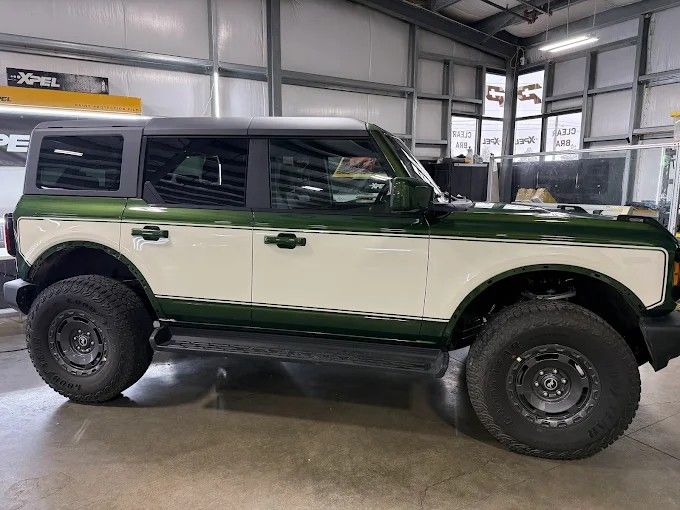
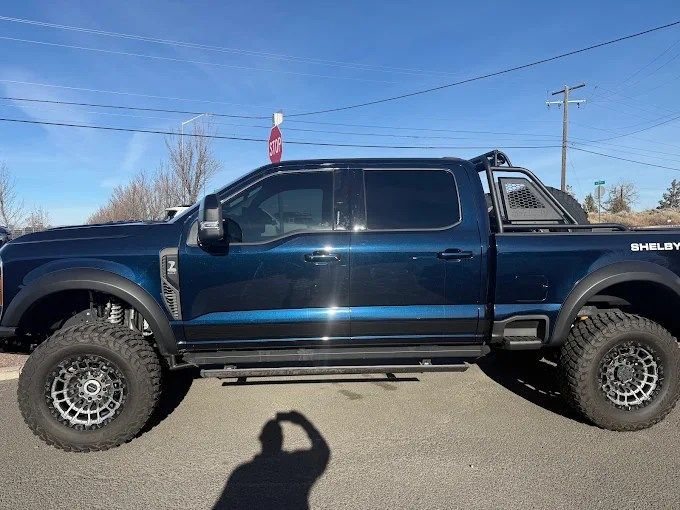
Film only protects what it covers, and only for as long as it stays put, which is why professional installation matters as much as the film itself. It starts with thorough cleaning and, where needed, paint correction, so the film bonds to a flawless surface rather than sealing dirt or swirls underneath. The film is then cut and fit precisely to each panel, wrapped and tucked around edges so there is no exposed border for grit or moisture to catch, and given time to cure and bond before it faces the road.
Those finished edges are where winter tends to attack first, so careful edge sealing during installation is what keeps the film from lifting once the sand and slush start flying. For drivers looking into paint protection film in Redmond and across Central Oregon, that professional fit is the difference between coverage that lasts for years and a wrap that peels by its first spring.
What to Expect Through the Winter
With quality film professionally installed, winter driving becomes far less nerve-racking. The front end that would normally collect chips and abrasions stays clean underneath, and the hydrophobic surface means slush and grime rinse off more easily rather than baking on.
Upkeep is simple, which is the point. A few habits keep the film performing at its best:
- Rinse before you wash, using lukewarm water to loosen sand and grit so you are not grinding it across the surface.
- Wash gently with a soft mitt and a pH-neutral soap, then dry with soft microfiber to avoid water spots and edge lift.
- Skip brush-style automatic washes, which can scuff the film and worry at its edges.
- Go easy on ice removal, using your defroster and soft tools rather than harsh scrapers or solvents on the film.
Self-healing works a little more slowly in the cold, but a warm rinse or a sunny afternoon still helps minor marks settle out. Beyond that, the film mostly takes care of itself, quietly absorbing a winter's worth of debris so your paint comes through the season looking the way it should.
Protect Your Investment with Perfection Plus Auto Salon
A Central Oregon winter is exactly the kind of relentless, grit-filled season paint protection film is built for. At Perfection Plus Auto Salon in Redmond, OR, our IDA-certified team brings more than 25 years of experience in automotive protection, fitting every film with the meticulous prep, precise edges, and controlled conditions that make it last through season after season of road debris.
If you want your front end protected before the sand and cinders start flying, call us at
(541) 598-6193 or
schedule a consultation and experience the Perfection Plus Auto Salon difference for yourself.
Frequently Asked Questions
What kind of winter debris is hardest on a car's paint here?
In Central Oregon, the biggest culprit is the sand, cinders, and gravel spread for traction. Kicked up by traffic at speed, it acts like a constant, low-level sandblasting on the front end, and the occasional larger stone can chip the paint outright.
Which parts of my vehicle benefit most from paint protection film?
The high-contact, leading surfaces: the hood, front bumper, fender edges, side mirrors, headlights, and lower panels. These take the brunt of airborne debris, so covering them delivers the most protection for the investment.
Does paint protection film really absorb impacts?
Yes. The film is a thick, flexible urethane layer that absorbs and spreads the energy of small impacts, so grit and gravel strike the film instead of your clear coat. Its self-healing surface also lets many fine scratches fade with warmth.
Does the film need special care in winter?
Just gentle, regular care: rinse off grit with lukewarm water, wash with a soft mitt and pH-neutral soap, dry with microfiber, and avoid harsh scrapers and brush car washes. That keeps the film and its edges in good shape through the season.