PPF Coverage: Partial, Full Front, or Full Car?
October 5, 2026
Paint protection film is one of the best ways to keep your vehicle’s finish looking new, but once you decide you want it, there’s a second question to answer: how much of the car do you want covered? Paint protection film comes in a few coverage levels, from protecting just the most impact-prone areas up to wrapping every painted panel, and the right choice depends on how and where you drive. Here’s what each level covers, and how to match one to your priorities and budget.
Partial Coverage: Guarding the High-Impact Zones
Partial coverage is where most owners start. It focuses the film on the areas that take the most abuse from everyday driving: the leading edge of the hood, the front bumper, the front fenders, and the side mirrors. These are the spots where rock chips, bug splatter, and road grit do the most damage, so covering them protects the paint most likely to get hit while keeping the cost and installation time down.
For a lot of drivers, that targeted protection is plenty. If you mostly commute around town, park undercover, and rarely see gravel or long highway stretches, partial coverage shields the vulnerable front edges without paying to wrap panels that rarely take a hit. It’s also an easy place to start, since you can always extend coverage later.
Full Front Coverage: The Whole Front End
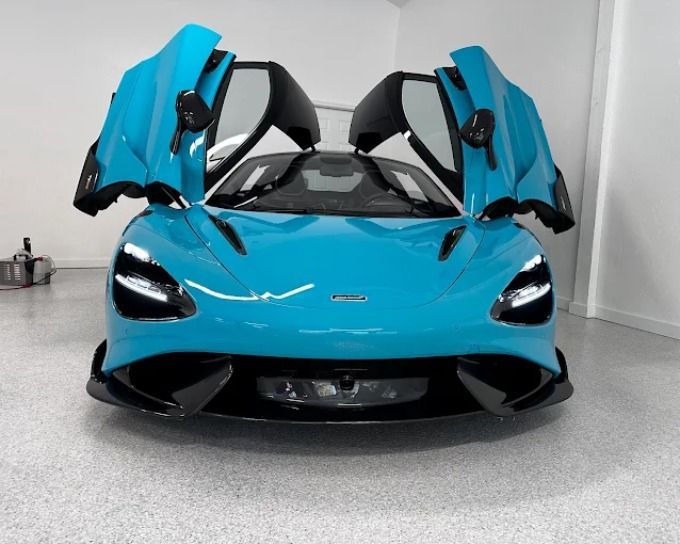
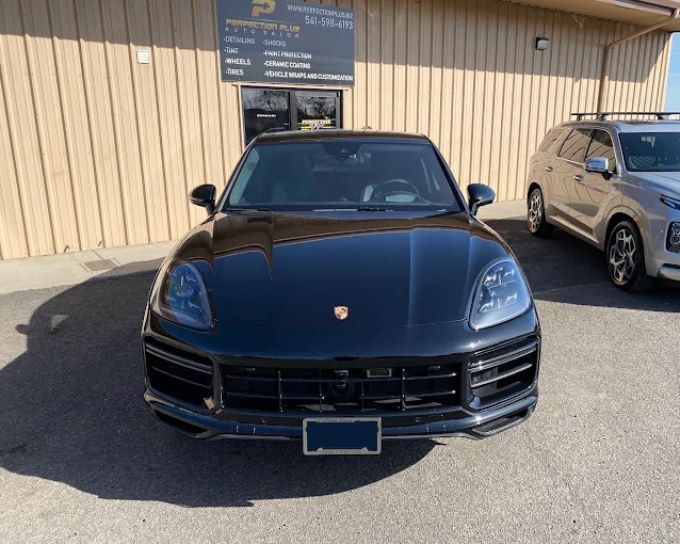
Full front coverage steps up from the leading edges to protect the entire front end: the full hood, the complete front bumper, both front fenders, and the mirrors, often including the headlights. Instead of just the first several inches of the hood, the whole panel is wrapped.
This is the sweet spot for a lot of drivers, especially anyone who logs real highway miles or regularly drives gravel and winter roads. At speed, debris does not politely stop at the leading edge of the hood; sand, cinders, and stones scour the whole front end. Full front coverage puts film across all of it, with no bare strip of hood waiting to collect chips, and it looks seamless because entire panels are covered rather than partial ones. It costs more than partial coverage and takes longer to install, but for drivers who rack up miles it is often the best balance of protection and value.
Full Vehicle Coverage: Every Painted Panel
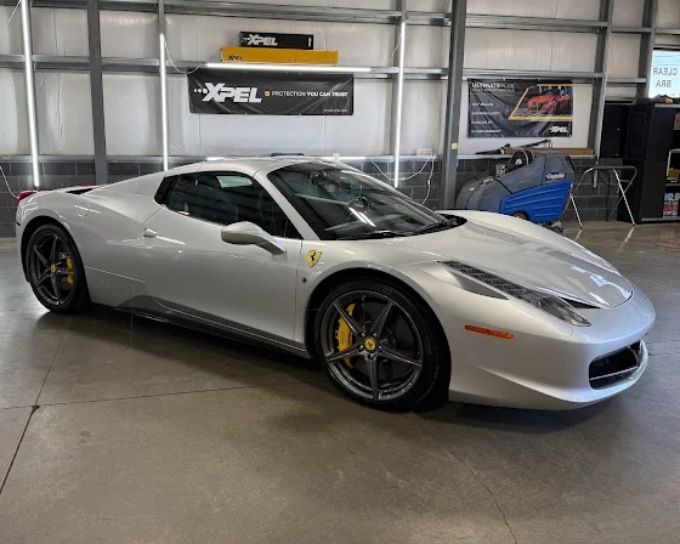
Full vehicle coverage wraps every painted surface on the car: hood, fenders, bumpers, doors, roof, rocker panels, rear quarters, and often the door edges and jambs. It is the most complete protection there is, guarding the whole car against chips, scratches, stains, and UV fading from every direction, not just the front.
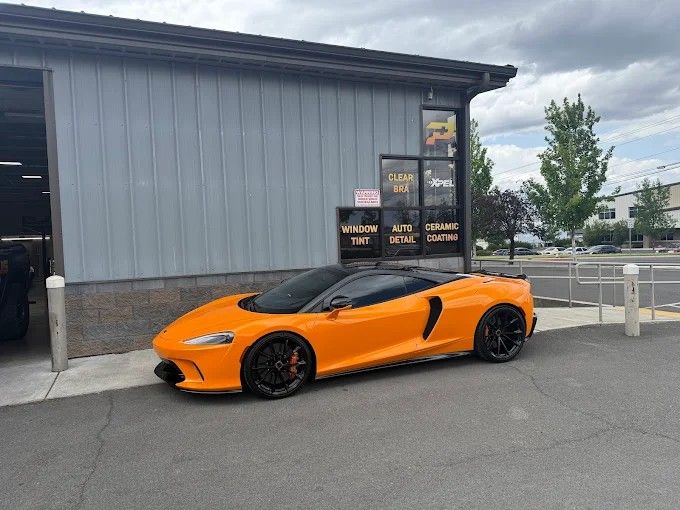
This level makes the most sense for luxury and collector vehicles, hard-used trucks and overland rigs, or anyone determined to keep their paint in near-showroom condition for the long haul. It is the biggest investment of the three, in both material and labor, but it also delivers the most, and it goes a long way toward preserving your vehicle’s resale value since the factory paint underneath stays protected everywhere. Many owners pair full coverage with a ceramic coating on top, which adds a slick, hydrophobic surface that makes the film even easier to keep clean.
How to Choose: Driving, Budget, and Use
There is no single right answer, because the best coverage depends on your situation. A few questions usually make the choice clear:
- How and where do you drive? Lots of highway miles, gravel roads, or winter driving push you toward fuller coverage, since debris hits more of the car. Mostly short, in-town trips lean toward partial.
- How long will you keep the vehicle? The longer you plan to own it, or the more you care about resale, the more a bigger investment in coverage pays off.
- What is the vehicle to you? A daily driver has different needs than a luxury car, a collector vehicle, or a trail-bound truck you want to keep pristine.
- What is your budget? Coverage scales with cost. Partial protects the essentials affordably, full front covers the high-risk zones, and full coverage protects everything.
Film quality and expert installation matter at every level, and many drivers find that starting with partial or full front coverage and expanding later fits both their needs and their budget.
How a Professional Helps You Decide
This is where talking to an installer makes a real difference. A good one does not just quote a price; they look at your specific vehicle, ask how and where you drive, and walk you through exactly which panels each coverage level would protect. They can show you where the film’s edges fall on your car, address concerns about how covered and uncovered areas look side by side, and recommend coverage matched to your real-world driving rather than selling you film you do not need.
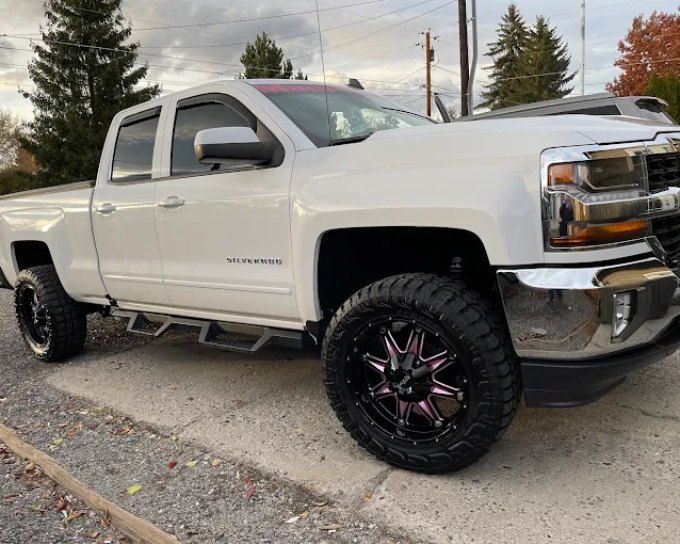
That guidance is especially useful because every vehicle and every driver is different. The right call for a weekend cruiser that lives in a garage is not the right call for a truck running paint protection film in Madras, OR, and the backroads around it all year. An experienced installer helps you land on the coverage that fits your priorities, and installs it so it actually lasts.
Protect Your Investment with Perfection Plus Auto Salon
Whether you want to shield the front end or wrap the whole vehicle, the right coverage is the one matched to how you actually drive. At Perfection Plus Auto Salon in Redmond, OR, our IDA-certified team brings more than 25 years of experience in automotive protection, helping you choose the right level of coverage and fitting every film with the meticulous prep and precise edges that make it last.
If you are weighing your options, call (541) 598-6193 or schedule a consultation, and we will help match the right paint protection film coverage to your vehicle so you can experience the Perfection Plus Auto Salon difference for yourself.
Frequently Asked Questions
What does partial PPF coverage protect?
Partial coverage focuses on the highest-impact areas: the leading edge of the hood, the front bumper, the front fenders, and the side mirrors. It shields the paint most likely to be hit by rock chips and road debris while keeping the cost down.
What is the difference between full front and full car coverage?
Full front coverage wraps the entire front end, the hood, bumper, fenders, and mirrors, where most chips happen. Full car coverage protects every painted panel on the vehicle, front to back, for complete protection from chips, stains, and fading.
Which coverage level is right for me?
It depends on how and where you drive, how long you plan to keep the vehicle, and your budget. Highway miles, gravel, and winter roads favor fuller coverage, while mostly in-town driving may only need partial. An installer can help match coverage to your needs.
Can I add more coverage later?
Yes. Many owners start with partial or full front coverage and expand later. Starting smaller protects the most vulnerable areas now while leaving the door open to add more down the road.
Perfection Plus Auto Salon - Blog