How to Choose the Right Tint Darkness (VLT)
October 12, 2026
Picking how dark to tint your windows feels like a style decision, but it is really a balance of privacy, comfort, visibility, and the law. Go too dark and you can struggle to see at night or end up with a ticket; go too light, and you give up some of the heat control and privacy you wanted in the first place. The number that ties it all together is VLT, and understanding it is the key to getting window tint you will be happy with for years. Here is what VLT means, how different levels feel day to day, and how Oregon’s rules shape your options.
What VLT Actually Means
VLT stands for Visible Light Transmission, and it is simply the percentage of light a tinted window lets through. The lower the number, the darker the tint. A 35% VLT film lets 35% of light pass and blocks the rest; a 5% film, often called “limo tint,” lets through almost nothing. A higher percentage means a lighter, clearer window.
That one number drives almost everything about how a tint performs. It affects how private the cabin feels, how much glare and heat you cut, and, importantly, how well you can see out, especially after dark. So choosing a darkness level is really about deciding where you want to land on each of those trade-offs.
What Different Darkness Levels Feel Like
Empty heading
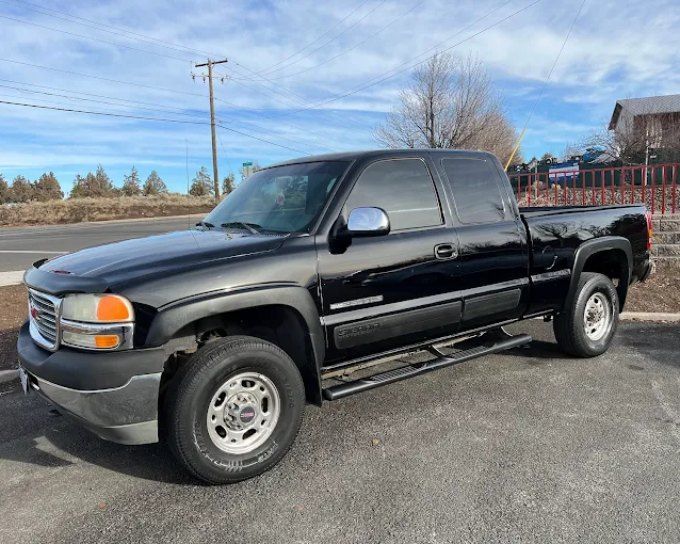
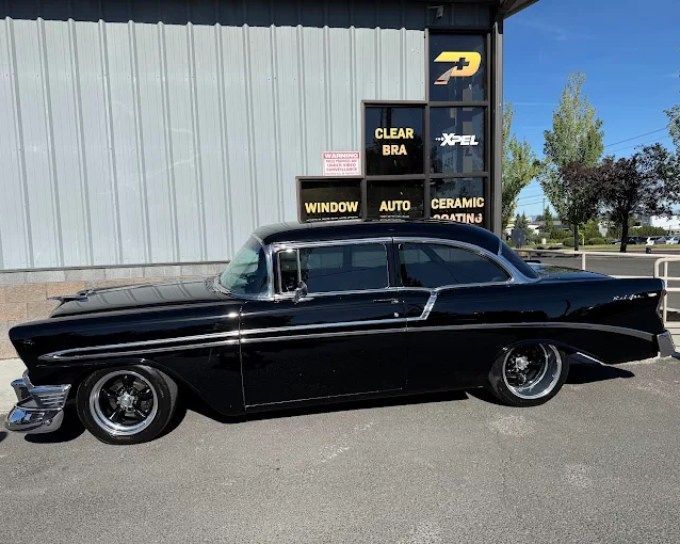
There is no single “best” VLT, because darker and lighter each give up something. In broad terms:
- Lighter tints (higher VLT) keep your view the clearest, especially at night and in rain or fog, and they cut glare while giving up some privacy and a bit of heat control.
- Mid-range tints are the popular middle ground: enough to take the edge off glare and add privacy and comfort, while still keeping good visibility day and night.
- Darker tints (lower VLT) give the most privacy and the sleekest look, but they noticeably reduce how well you see in low light, which is where night-driving safety and the law come into play.
One point worth clearing up: with a quality film, UV protection and heat rejection are driven by the film’s technology, not just how dark it looks. A good lighter film can still block the UV and infrared heat that fade interiors and bake a cabin, so you do not have to go extremely dark to stay comfortable. Darkness mostly changes privacy and glare, while the film’s quality determines how much heat and UV it stops.
What Oregon Law Allows
This is where the choice gets narrowed for you, because Oregon sets limits on how dark and how reflective your tint can be. The rules come from Oregon’s window-tint law (ORS 815.221), and Oregon State Police enforce them with calibrated meters that read your window’s actual light transmission. The key points:
- Front side windows (every vehicle): must allow at least 35% of light through. That 35% VLT minimum is the single most important number, because it applies to every car, truck, and SUV.
- Back side and rear windows (passenger cars): also must meet the 35% VLT minimum.
- Back side and rear windows (SUVs, vans, and pickups): can be any darkness, including limo tint, as long as the vehicle has dual side mirrors.
- Windshield: only a non-reflective strip along the top of the glass is allowed; full windshield tinting is not.
- Reflectivity: tint cannot be overly mirrored or reflective, so the shiny, mirror-like finishes some drivers want are limited.
Oregon also offers medical exemptions that allow darker tint for drivers with a qualifying condition. Because the law measures the finished result on the glass and treats some vehicle types differently, it is easy to get caught out by assuming a neighboring state’s rules apply. When in doubt, it pays to confirm before you commit to a shade.
Finding Your Balance, and How a Professional Helps
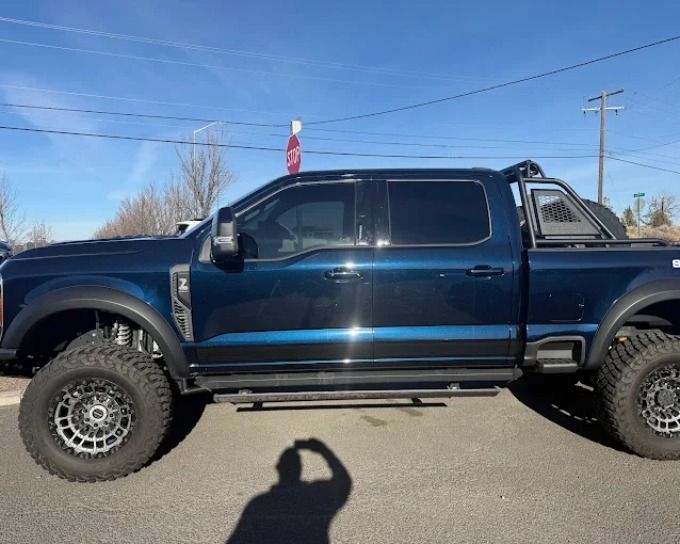
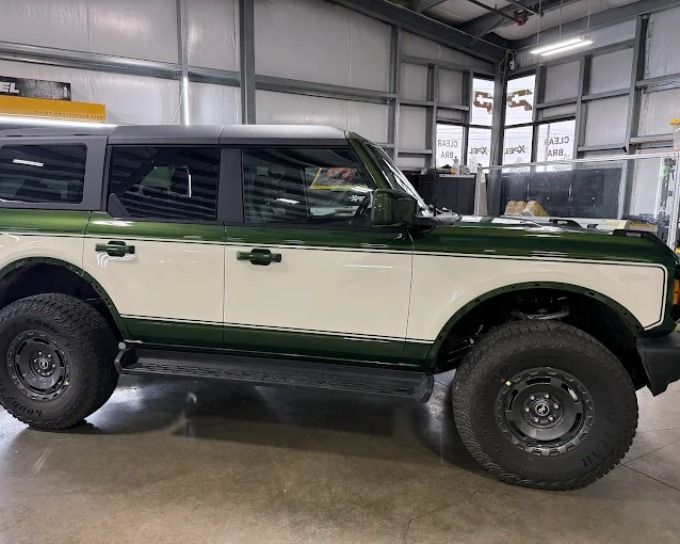
Once you know the legal floor, the choice becomes about your preferences within it. Think about how and where you drive. If you log a lot of night miles or drive rural, poorly lit roads, you will want to stay on the lighter side for visibility. If privacy and a cooler cabin matter most, you will push toward the darker end of what is allowed, and on an SUV or truck you may be able to go very dark on the rear glass while keeping the front legal.
This is exactly where an experienced installer earns their keep. A good one does not just hand you a shade chart; they ask how you drive, talk through the trade-offs, and recommend a darkness level that fits your priorities while staying on the right side of Oregon law. They also measure to the finished VLT on your specific glass, since factory windows already carry some tint, so you end up compliant rather than guessing. For drivers researching auto window tinting in Bend, OR, and across Central Oregon, that guidance is the difference between a tint you love and one you have to peel off after a traffic stop.
Protect Your Comfort with Perfection Plus Auto Salon
Choosing the right tint darkness is a balance of privacy, comfort, visibility, and compliance, and it is a lot easier with someone who knows the film and the law. At Perfection Plus Auto Salon in Redmond, OR, our IDA-certified team brings more than 25 years of experience in automotive protection, helping you pick a VLT that fits how you drive and installing it cleanly and legally across every window.
If you are weighing your options,
call
(541) 598-6193 or
schedule a consultation, and we will help you land on the right shade, so you can experience the Perfection Plus Auto Salon difference for yourself.
Frequently Asked Questions
What does VLT mean?
VLT, or Visible Light Transmission, is the percentage of light a tinted window lets through. A lower number is a darker tint, so a 35% film lets in 35% of light, while a 5% “limo” film lets in almost none.
What is the legal tint limit in Oregon?
Front side windows on every vehicle must allow at least 35% of light through. Sedans must meet that 35% minimum on the back and rear windows too, while SUVs, vans, and pickups with dual side mirrors can go darker on those rear windows. The windshield allows only a non-reflective strip along the top.
Does darker tint block more heat and UV?
Not necessarily. Heat and UV rejection depend mostly on the quality of the film, not how dark it is, so a quality lighter film can keep you cool and protected without going dark.
Can you help me pick a shade that is legal and fits me?
Yes. We walk you through the trade-offs, recommend a darkness level matched to how you drive, and measure to the finished VLT on your glass so your tint looks great and stays compliant with Oregon law.
Perfection Plus Auto Salon - Blog