How Window Tint Blocks UV and Infrared Heat
September 14, 2026
Window tint is easy to think of as a cosmetic upgrade, but the best of what it does is invisible. Quality automotive window tint works like a filter on your glass, cutting down the ultraviolet rays and infrared heat that pour through untinted windows. The payoff is a cabin that stays cooler and more comfortable, an air conditioner that does not have to work as hard, and upholstery that holds its color far longer. Here is how the technology actually works, and why the film you choose and how it is installed make all the difference.
UV and Infrared: Two Invisible Threats Through Your Glass
Most of what makes sunlight hard on a vehicle is energy you cannot see. Sunlight carries visible light, but it also carries ultraviolet (UV) rays and infrared (IR) energy, and those two are the ones a good tint is designed to handle.
Ultraviolet rays are the ones behind sun damage. They fade and crack a dashboard over the years, and they are the same rays dermatologists warn about for skin, since a driver's arm and face take real sun exposure through the glass on every commute. Infrared energy is different: it is the part of sunlight you feel as heat. It makes up a large share of the sun's energy, and it is what turns a parked car into an oven and keeps the cabin uncomfortable on a bright day. Ordinary glass lets a lot of both through. A quality window film is built to block the vast majority of UV and to reject a meaningful portion of that infrared heat before it ever reaches you.
Keeping the Cabin Cooler and Easing the AC
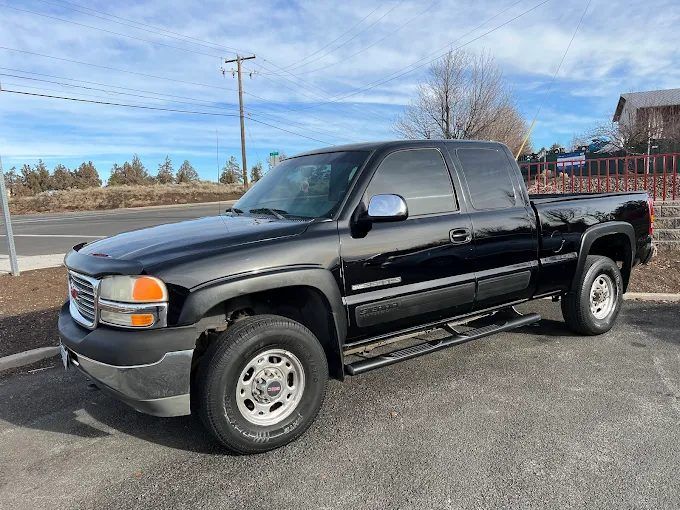
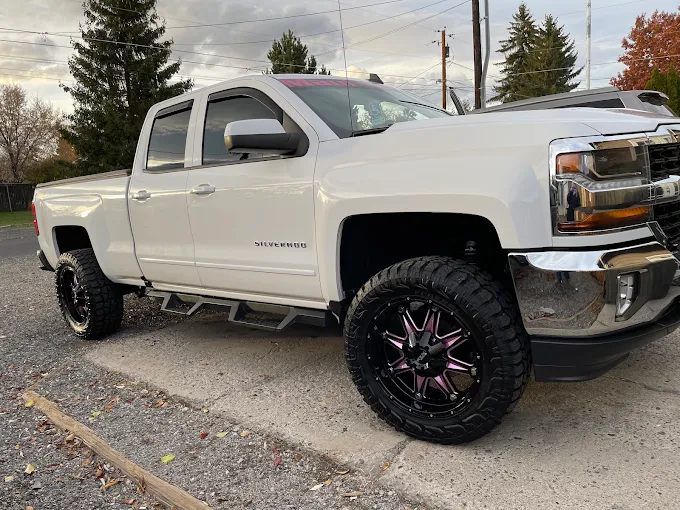
The most immediate thing you notice with heat-rejecting film is comfort. By turning back a good share of the sun's infrared energy at the glass, the film keeps interior temperatures from climbing as fast or as high. A car parked in the Central Oregon summer sun stays closer to bearable, and the drive stays comfortable without cranking the vents to maximum.
That comfort has a practical side. Running the air conditioning is the main drain on a vehicle's fuel economy in hot weather, because the compressor pulls power straight from the engine. When your cabin starts out cooler and stays that way, the AC does not have to work as hard or run as long to keep up. Less strain on the system means more consistent comfort and less energy spent fighting a hot cabin, which adds up over a long, sunny season.
Protecting Your Upholstery and Interior
The same UV rays that age your skin are steadily at work on everything inside your vehicle. Leather seats dry and crack, fabric fades, and a dashboard loses its color and can grow brittle, all from sunlight most people never think about. It happens gradually, the way a photo left in a window slowly washes out, until one day the interior simply looks tired.
Because quality film blocks nearly all of the sun's UV, it slows that process dramatically. Your seats, dash, and trim keep their color and finish far longer, which protects both the way your vehicle looks and its resale value down the line. For anyone who plans to keep a car for years, that quiet, everyday protection is one of tint's most valuable benefits.
Why the Film You Choose Matters
Not all tint is the same, and darkness is not what determines performance. What matters is what the film is made of, and different types strike different balances of heat rejection, clarity, and price:
- Dyed film is the most basic option. It darkens the glass and blocks some light, but it rejects less infrared heat and tends to fade over time.
- Carbon film offers strong UV protection and better heat control with a clean matte finish, and it holds its appearance well without interfering with your electronics.
- Ceramic film sits at the top for performance. Its non-metallic ceramic particles reject a high level of infrared heat and block nearly all UV while staying optically clear, and because there is no metal in it, it will not interfere with GPS, phone, or other signals.
- Metalized film reflects heat effectively, but its metal content can interfere with electronic signals, which makes it less popular for modern vehicles.
The right choice comes down to how much heat rejection and clarity you want against your budget. Ceramic delivers the most comfort and the cleanest look, while carbon is a strong, cost-conscious middle ground. A professional can walk you through the trade-offs and match a film to how you actually drive.
Why Professional Installation Matters
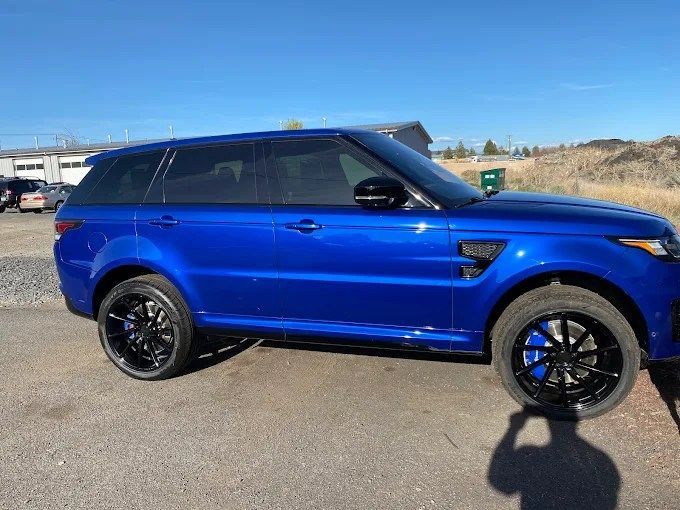
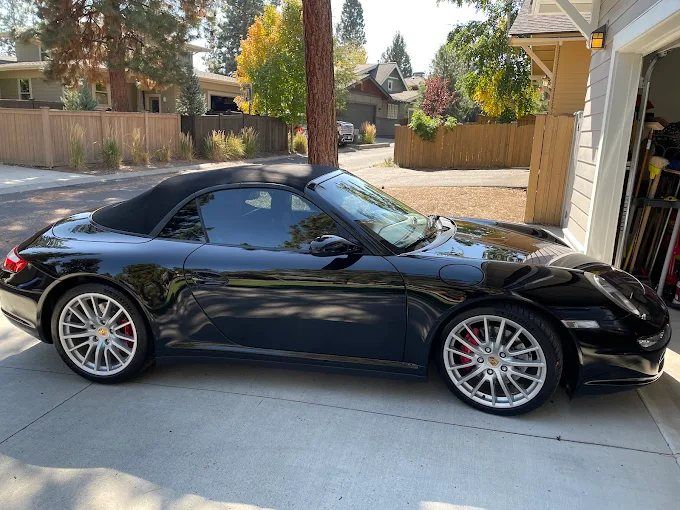
Even the best film only performs when it is installed well. A professional fits each piece precisely to your glass, working out every bubble and wrinkle so the film lies flat and clear across the whole window rather than in patches. Poor application shows up fast as bubbles, peeling edges, or a hazy, uneven look, and it undercuts the very performance you paid for.
Installation does not end when the film goes on, either. Fresh film needs time to cure and bond to the glass, and respecting that curing window is what gives you an even, lasting result rather than trapped moisture or lifting edges. A professional also makes sure your tint is applied cleanly to every window and meets the rules for how light your glass must stay. For drivers looking into auto window tinting in Redmond and across Central Oregon, that expertise is the difference between tint that looks and performs great for years and a job that disappoints by its first summer.
Protect Your Comfort with Perfection Plus Auto Salon
Great window tint is equal parts the right film and a flawless install. At Perfection Plus Auto Salon in Redmond, OR, our IDA-certified team brings more than 25 years of experience in automotive protection, helping you choose a film that fits your comfort and clarity needs and installing it for even, lasting heat and UV rejection across every window.
If you want a cooler, better-protected cabin before the next heat wave, call us at
(541) 598-6193 or
schedule a consultation and experience the Perfection Plus Auto Salon difference for yourself.
Frequently Asked Questions
Does window tint really keep my car cooler?
Yes. Heat-rejecting film turns back a good share of the sun's infrared energy at the glass, so the cabin does not heat up as quickly or climb as high. That keeps you more comfortable and means your air conditioning does not have to work as hard.
Do I need dark tint to block heat and UV?
No. Performance comes from the film's materials, not its shade. A lighter ceramic film can reject more heat and block more UV than a much darker dyed film, so you can stay cooler and better protected without going dark.
Will window tint protect my interior from fading?
It helps significantly. Quality film blocks nearly all of the sun's UV, which is the main cause of faded upholstery and cracked dashboards, so your interior keeps its color and finish far longer.
Why does professional installation matter?
A professional ensures the film goes on evenly, without bubbles or peeling, and cures properly for a lasting result. They also make sure it is applied correctly to each window and stays within the legal light limits.