Ceramic Coating for Trucks and Overland Vehicles
September 28, 2026
If you spend time off the pavement, you already know how hard it is on a vehicle. Trail dust works into every seam, gravel peppers the lower panels, tree sap and bird droppings bake on in the sun, and mud dries into a crust that does not want to let go. A ceramic coating will not make your truck bulletproof, but it changes the equation in a big way: it gives your paint a slick, sealed surface that resists staining and buildup and rinses clean with far less effort. For anyone who actually uses their rig, that combination of protection and easy cleanup is what makes a coating worth it. Here is how it helps, which areas benefit most, and what to expect over the long haul.
Why Dust and Trail Grime Are Hard on Paint
Backcountry travel exposes paint to a steady mix of contaminants that bare clear coat holds onto. Fine trail dust settles into the surface and, left on through a few heat cycles, can dull the finish and leave behind staining. Organic contaminants are worse: bird droppings, tree sap, and bug residue are acidic, and the longer they sit baking in Central Oregon sun, the more they can etch into unprotected paint. For anyone running Central Oregon’s backcountry forest routes, add the mud, dust, and road film that cake on over a long trip, and a vehicle that rarely gets a prompt wash is exactly the kind that collects lasting marks.
The real problem is time and access. On the trail or on a multi-day trip, you cannot always rinse the grime off before it sets. That delay is what turns ordinary dirt into stains and etching, and it is the specific problem a ceramic coating is good at solving.
How a Ceramic Coating Fights Staining and Buildup
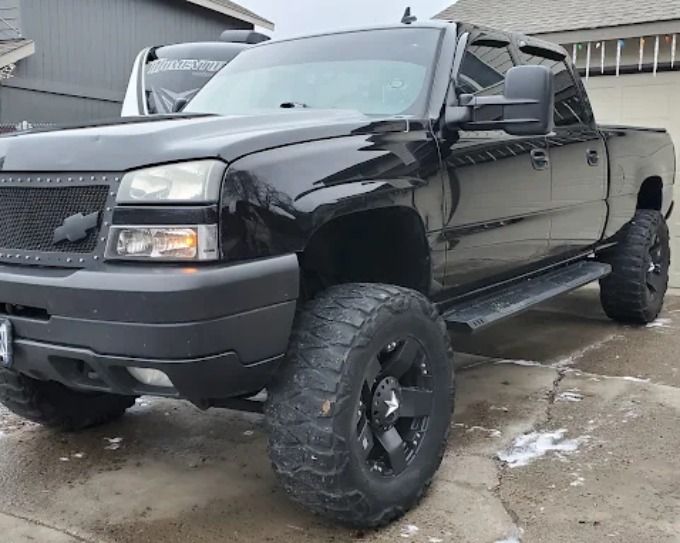
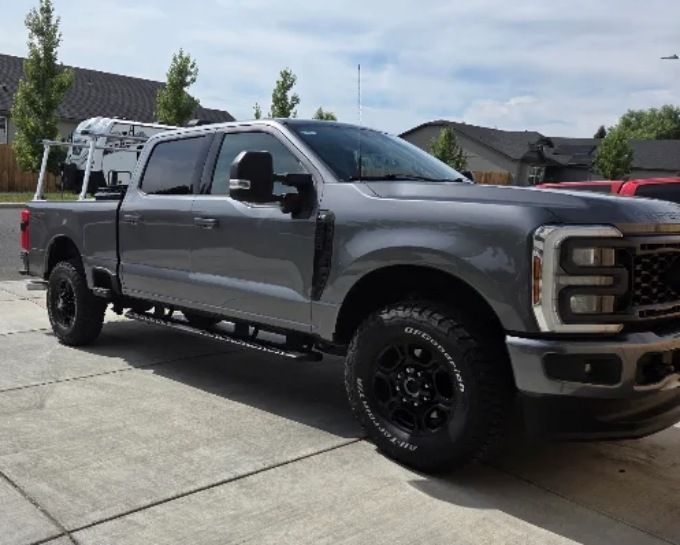
A ceramic coating bonds to your paint and forms a smooth, sealed, water-repelling surface. On a dusty, hard-used vehicle, that surface does two valuable things.
First, it resists staining. Because contaminants sit on top of a slick, sealed layer rather than working into the pores of the paint, dust, sap, and droppings have a much harder time bonding or etching. They stay on the surface, where they can be removed, instead of leaving a permanent mark.
Second, it makes cleanup dramatically easier. The same hydrophobic surface that sheds water also keeps mud and dust from grabbing hold, so a rinse or a gentle wash lifts away grime that would otherwise need scrubbing. That matters more than it sounds: aggressive scrubbing is how a lot of trail vehicles pick up swirl marks and fine scratches, so an easier wash is also a gentler one. When you get home from a weekend out, the difference between an hour of scrubbing and a quick rinse is the whole point.
The coating adds a measure of UV protection too, helping slow the fading and oxidation that constant sun exposure causes on open terrain, so the finish holds its depth and color over years of use.
Which Areas Benefit Most
On a truck or overland build, some surfaces take far more abuse than others, and those are where a coating earns its keep:
- The hood, roof, and upward-facing panels, which catch the most sun, dust, and falling debris.
- Lower doors, rockers, and fender flares, constantly sprayed with trail dust, mud, and gravel.
- The front end and mirrors, first to meet dust clouds and organic splatter.
- Exterior glass, where a coating improves water sheeting and visibility in rain and spray.
- Trim, headlights, and taillights, which a professional coating can treat so the whole exterior sheds grime evenly.
Covering these high-exposure areas puts the protection exactly where dust and contaminants concentrate, which is why full-exterior coverage makes so much sense on a vehicle built to get dirty.
Why Professional Application Matters
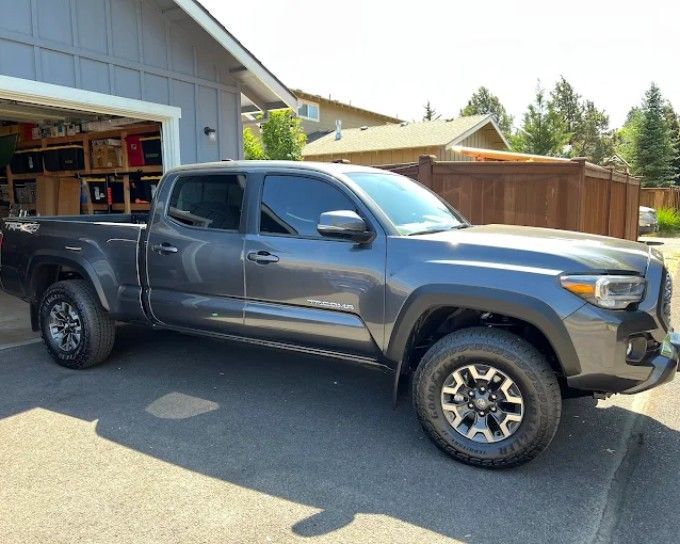
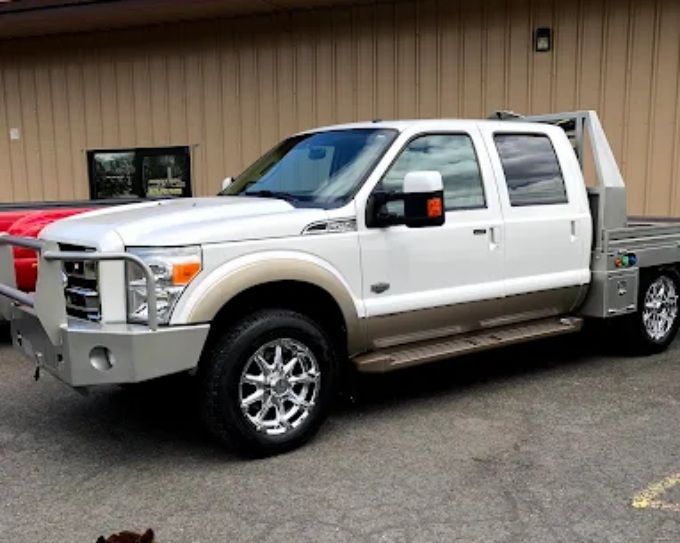
A ceramic coating is only as good as the prep underneath it. It starts with a thorough wash and decontamination to pull embedded dust and grime out of the paint, followed by paint correction to polish out the swirl marks, scratches, and oxidation that a used vehicle inevitably collects. Skip that step and the coating simply seals those flaws in and makes them more visible under its added gloss.
Only once the surface is clean and corrected does the coating go on, applied carefully for even coverage, then given time to cure and harden before the vehicle heads back out. It cures best in a clean, controlled indoor space, which is a big part of why professional results outlast a driveway attempt, especially on a large, contour-heavy truck or overland rig. The same attention to protecting paint from the elements is what helps a coating stand up to winter road treatments as well as summer trail dust.
What to Expect Over the Long Haul
With a quality coating professionally applied, your rig comes home from the backcountry looking far better than it would have bare, and it cleans up in a fraction of the time. A coating is not an apply-and-forget product, though, and a little routine care keeps it performing season after season:
- Rinse off trail dust and mud before it sits, using plain water to flush grit away.
- Wash gently with a pH-neutral soap and a soft mitt, then dry with soft microfiber to avoid swirl marks and water spots.
- Skip harsh chemicals and brush-style automatic washes, which wear at the coating over time.
- Keep up with professional maintenance, which refreshes the coating’s slickness and gives the finish an expert inspection.
Do that, and the coating keeps shedding dust and grime trip after trip, protecting both the look of your vehicle and its long-term value through years of hard use. For drivers researching ceramic coating in Culver, OR, and the surrounding backcountry, that durable, low-maintenance protection is exactly what a hard-used vehicle calls for.
Protect Your Investment with Perfection Plus Auto Salon
Dust, gravel, and backcountry miles are exactly the kind of punishment a ceramic coating is built to handle. At Perfection Plus Auto Salon in Redmond, OR, our IDA-certified team brings more than 25 years of experience in automotive protection, applying every coating with the meticulous prep and controlled conditions that make it last, from painted panels to trim, lights, and glass.
If you want your truck or overland rig protected before the next trip, call
(541) 598-6193 or
schedule a consultation and experience the Perfection Plus Auto Salon difference for yourself.
Frequently Asked Questions
Will a ceramic coating keep trail dust and mud from staining my paint?
It helps a great deal. The coating gives your paint a slick, sealed surface, so dust, mud, sap, and droppings sit on top instead of working in and etching. They are far easier to rinse away, and far less likely to leave a lasting mark.
Does it really make cleaning easier after off-road trips?
Yes. The hydrophobic surface keeps grime from grabbing hold, so mud and dust rinse off with much less effort. That saves time and means less aggressive scrubbing, which is what causes swirl marks in the first place.
Which parts of my truck should be coated?
The high-exposure surfaces benefit most: the hood and roof, lower doors and fender flares, the front end and mirrors, plus glass, trim, and lights. Full-exterior coverage makes the most sense on a vehicle built to get dirty.
How do I maintain a coating on an off-road vehicle?
Rinse off trail grime before it sits, wash gently with a pH-neutral soap and soft mitt, dry with microfiber, and avoid harsh chemicals and brush car washes. Periodic professional maintenance keeps the coating performing at its best.
Perfection Plus Auto Salon - Blog