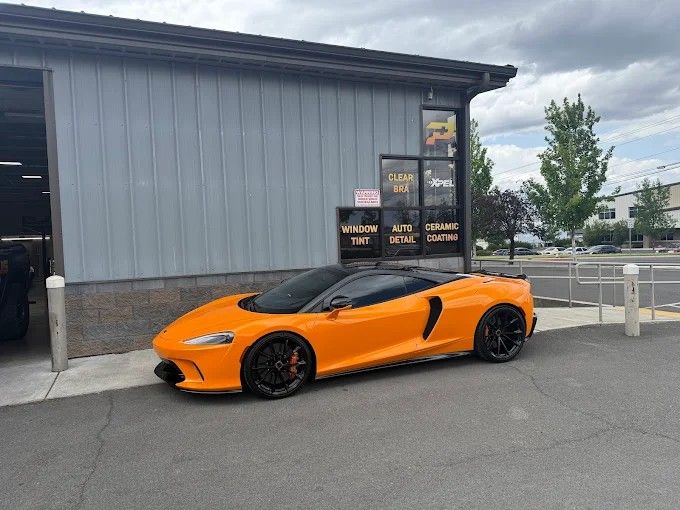
Winter is hard on a vehicle's finish, and in Central Oregon the challenge is not the rock salt you might picture from back-East winters. It is magnesium chloride, the liquid de-icer sprayed across our highways, plus the sand and grime it leaves behind. These residues cling to paint, wheels, and lower panels, and left alone they build up and slowly wear at your finish. One of the best defenses is a ceramic coating, an invisible, sealed layer that keeps de-icer from grabbing hold and makes it far easier to rinse away. Here is how it works, and how to care for it through the season.
What Central Oregon Puts on the Roads
Unlike states that spread rock salt on top of ice, the Oregon Department of Transportation leans on liquid magnesium chloride, often just called "mag," as its primary de-icer across Central Oregon. Crews usually spray it on bare pavement before a storm so ice cannot bond to the road in the first place. Depending on conditions, you will also see sand or cinders for traction, and some road salt closer to the state's borders.
Magnesium chloride does its job on the road, but it does not disappear once your tires roll through it. It clings to your vehicle as a thin film, and because the chemical attracts and holds moisture, that film stays damp rather than drying and flaking off. The longer it sits against your paint and metal, the more chance it has to work into microscopic imperfections and, over time, contribute to etching and corrosion. The good news is that it is highly water-soluble, so it rinses away easily when you get to it before it accumulates. The trick is having a surface that does not let it dig in while you wait for that next wash.
Where De-Icer Hits Hardest
Not every part of your vehicle takes the same beating. The de-icer and slush thrown up off the road concentrate on the lowest, most exposed surfaces: the wheels and wheel wells, the rocker panels along the bottoms of the doors, the lower door edges, and the front and rear bumpers. These are the areas constantly bombarded by spray, and the ones where residue quietly builds up out of sight. They are exactly where a slick, sealed surface earns its keep, and exactly where owners tend to forget to rinse.
How Ceramic Coating Protects Your Car in Winter


A ceramic coating bonds to your paint and forms a smooth, sealed, water-repelling surface, and that single property does a lot of work in winter.
Because the surface is hydrophobic, water, slush, and salty mag spray bead up and roll off instead of soaking in and clinging. Less contact means less chance for corrosive residue to sit on the finish or work into tiny imperfections. It also means that when you do rinse the car, the film releases far more easily, which on those low, spray-battered panels and around the wheels is what keeps de-icer from accumulating between washes. That protection is not limited to your paint, either: the same slick, sealed treatment can be applied to surfaces like your wheels and glass, which take some of the heaviest spray.
That water resistance pairs with strong chemical resistance. Magnesium chloride and other de-icers are corrosive by nature, and on unprotected paint they can seep into small cracks and slowly lead to etching, dulling, and rust. A ceramic coating acts as a tough barrier that helps block these chemicals from reaching the paint beneath, which means a better-preserved finish and fewer costly problems down the road. It also adds a measure of protection against ultraviolet rays, which fade and degrade paint even in winter.
None of this makes a vehicle completely impervious to winter, but a well-applied, well-maintained coating meaningfully slows the damage de-icers, salt, and the elements would otherwise cause, and it makes keeping the car clean far less of a chore.
What Goes Into a Proper Application
A ceramic coating is only as good as the surface underneath it, which is why professional results are hard to rush or replicate with a quick do-it-yourself job.
It starts with thorough cleaning. Every trace of dirt, grime, and especially road salt or chemical residue has to come off first, because anything left behind gets sealed under the coating. Next comes paint correction. Ceramic coatings amplify whatever is beneath them, so scratches, swirl marks, and oxidation need to be polished out first; otherwise the coating locks those flaws in and makes them more visible under its glossy finish.
Only once the surface is clean and corrected does the coating go on, applied carefully for even coverage and buffed to a clear, uniform shine. From there it needs time to cure and harden before it faces the elements, during which the vehicle should stay clean and dry. It also cures best in a clean, controlled indoor space, away from the dust, pollen, rain, and wind that can mar a fresh finish, which is a big part of why a professional studio produces more dependable results than a driveway or a cold garage.
Winter Washing Habits That Complement a Coating
A ceramic coating is not an apply-and-forget product, and in a magnesium chloride climate, regular rinsing is what keeps it working:
- Rinse often, especially underneath. Frequent rinses flush mag residue off your wheels, wheel wells, and lower panels before it can build up.
- Wash with a pH-neutral shampoo. Gentle, coating-safe soap lifts salt and de-icer without degrading the protective layer.
- Use warm water to loosen caked-on residue, so you are not scrubbing hard against the finish.
- Try a two-bucket wash method to keep grit off your mitt and reduce micro-scratches.
- Dry with soft microfiber towels to avoid water spots from mineral deposits.
- Skip brush-style automatic washes, which can inflict swirl marks over time.
- Keep up with professional maintenance. A maintenance detailing service, especially before and after winter, refreshes the coating's slickness and protection and gives the finish an expert inspection.
Because magnesium chloride rinses away so readily, even a quick rinse of the lower body and wheels after a slushy drive goes a long way toward preserving your paint through the harshest stretch of the year.
Ceramic Coating vs. Wax vs. Paint Protection Film

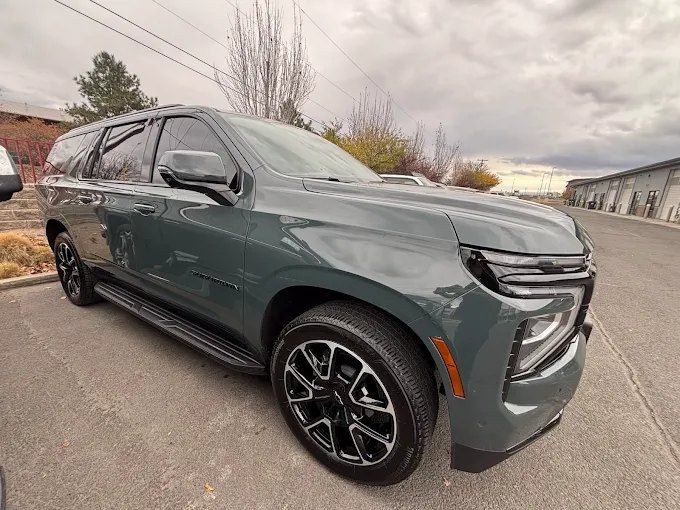
Ceramic coating is not the only way to protect paint in winter, and it helps to see where it fits. Wax is inexpensive and easy to apply, but it wears away quickly, and winter's constant salt and chemicals strip it faster still, so it needs frequent reapplication to offer any real defense.
Paint protection film sits at the other end: a durable, transparent thermoplastic urethane film applied over the paint as a physical shield against rock chips, abrasion, and chemical corrosion. It offers the most robust protection of the three, but it is also the most involved and costly to install.
Ceramic coating strikes a balance between the two. It bonds to the paint to create a hard, hydrophobic surface that excels at resisting water, salt, and de-icers and makes cleaning far easier. It does not absorb physical impacts the way film does, but it lasts far longer than wax with less upkeep. Many owners combine the two, protecting high-impact areas like the front end with film while relying on ceramic coating across the rest of the vehicle.
Is Ceramic Coating Worth It for Winter?
Whether a ceramic coating is worth it comes down to weighing the upfront cost against a season of protection. It is a real investment, but a single application defends your paint against corrosive de-icers, salt, and UV exposure for far longer than one winter, which puts the cost in perspective.
The value shows up in a few ways. It slows the deterioration that leads to dullness, etching, and rust, helping preserve both appearance and resale value. It makes winter cleaning easier, since mag and slush do not cling the way they do to bare paint. And with proper maintenance, that protection carries through the season rather than washing away with the first few storms. For anyone driving Central Oregon's mag-treated roads all winter, a quality ceramic coating protects your car's appearance and its worth at the same time.
Protect Your Investment with Perfection Plus Auto Salon
Central Oregon's mix of magnesium chloride, sand, and slush is exactly the kind of relentless wear a ceramic coating is built to fight. At Perfection Plus Auto Salon in Redmond, OR, our IDA-certified team brings more than 25 years of experience in automotive protection, applying every coating with the meticulous prep and controlled conditions that make it last, and helping you keep it performing all season.
If you want to head into winter with your paint protected, call us at
(541) 598-6193 or
schedule a consultation and experience the Perfection Plus Auto Salon difference for yourself.
Frequently Asked Questions
What de-icer is used on Central Oregon roads, and is it hard on paint?
The main one is liquid magnesium chloride, sprayed to keep ice from bonding to the pavement. It clings as a damp residue and, with prolonged contact, can contribute to etching and corrosion. It is water-soluble, though, so rinsing it off before it builds up makes a real difference.
Can ceramic coating prevent salt and de-icer corrosion?
It helps significantly. A ceramic coating forms a hydrophobic, chemical-resistant barrier that repels water, salt, and de-icers and keeps them from soaking into the paint. It is not total immunity, but it meaningfully reduces the risk.
How often should I wash a coated car in winter?
Rinse frequently, focusing on the wheels and lower panels where mag residue concentrates, and do a gentle pH-neutral wash regularly. Because magnesium chloride dissolves easily in water, even a quick rinse after a slushy drive helps.
How long does a ceramic coating last in winter conditions?
A professionally applied coating lasts well beyond a single season, though its exact life depends on the product, how the vehicle is used, and how well it is maintained. Regular gentle washing and periodic professional maintenance help it hold up through repeated winters.