Why Window Tint Curing Time Affects Final Results
August 10, 2026
Getting your windows tinted feels like a quick upgrade, but the result you actually live with is decided in the days after you drive away. That is when the film cures, the adhesive bonds to the glass, and any trapped moisture works its way out. Rush this stage or skip the aftercare, and a clean install can turn into haze, bubbles, or lifting edges. Respect it, and your window tint settles into a crisp, clear finish that performs for years. Here is what happens during the cure, what is normal, and how to protect your tint while it sets.
What's Happening While Your Tint Cures
When the film goes on, a thin layer of moisture from the installation is still trapped between the tint and the glass. Curing is simply the process of that moisture evaporating out through the film while the adhesive hardens into a lasting bond. Even though the surface may feel dry within hours, the bond underneath keeps strengthening for days, and sometimes weeks, afterward.
This is why the cure matters so much to the final result. A film that is allowed to bond undisturbed dries evenly, sits flat, and stays crystal clear. A film that gets disturbed too soon can trap moisture or shift at the edges, locking in flaws that affect both appearance and performance. In other words, the look and durability you paid for are finalized during curing, not at the moment of installation.
Why a Little Haze and a Few Bubbles Are Normal
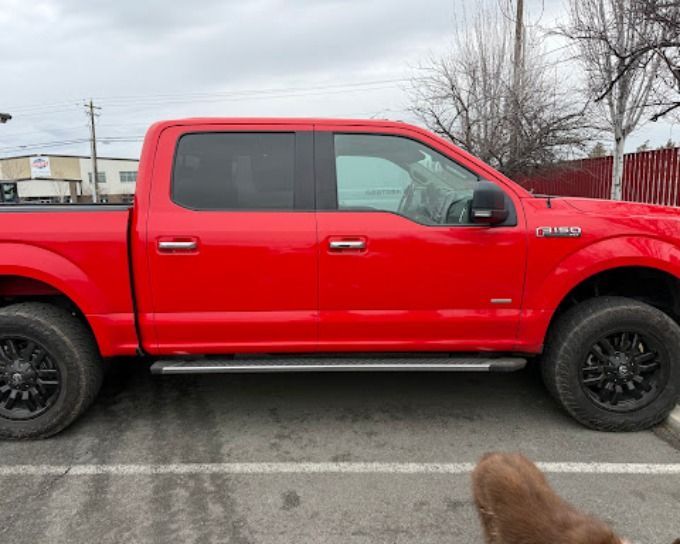
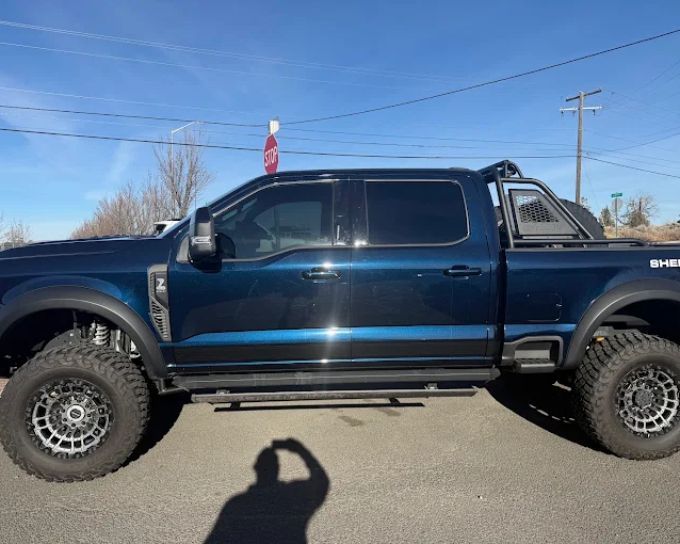
Here is the part that surprises many people: some haziness and a few small water bubbles right after installation are completely normal. They are not a sign that something went wrong. They are simply the trapped moisture doing exactly what it should, working its way toward the edges and evaporating out.
As the film cures, that cloudiness clears, and those small pockets disappear on their own. The most important thing you can do is leave them alone. Pressing on a bubble or trying to fix it yourself can damage the adhesive and turn a temporary, self-resolving quirk into a permanent defect. Give the film time, and in most cases it settles into a smooth, uniform finish without any intervention at all.
Your tint also starts protecting you right away. Even while it is still curing, it is blocking UV rays and helping manage heat, so you get the benefits from day one while the finish finalizes.
How Weather Shapes the Cure
Curing is a weather-driven process, which matters in a place with seasons as distinct as Central Oregon's. Warmth and sunlight speed things up by helping moisture evaporate, so a dry, sunny stretch will cure a fresh tint faster. Cold, damp, or rainy conditions do the opposite, slowing evaporation and stretching the timeline out, sometimes considerably.
That seasonal swing is worth planning around if you are booking auto window tinting in Madras, OR, or anywhere across the region. Tint installed on a warm summer afternoon may settle in a few days, while the same job in a cold, wet stretch can take a couple of weeks to fully clear. Neither is a problem; it simply means patience matters more in cooler months. Parking in direct sunlight when you can gives the cure a helpful nudge in any season.
How to Protect Your Tint While It Cures
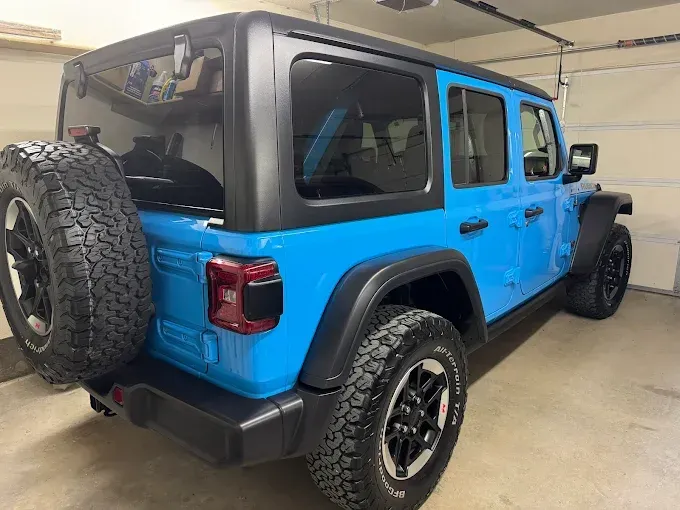

The cure largely takes care of itself. Your job is mostly to stay out of its way for the first stretch after installation. A few simple precautions make the difference between a flawless finish and an avoidable repair:
- Keep your windows up. Leave them rolled up for the first several days, and longer in cold or damp weather. Lowering a window drags the still-soft film against the door seal and can lift an edge before it has bonded.
- Hold off on cleaning the inside glass. Wait until the film has fully cured, generally a couple of weeks, before cleaning the interior of your tinted windows. Water and pressure can disturb an uncured film.
- Skip ammonia-based cleaners for good. When it is time to clean, use a soft microfiber cloth and an ammonia-free glass cleaner, spraying the cleaner onto the cloth rather than the glass. Ammonia breaks down tint adhesives over time.
- Avoid rain and high-pressure washes early on. The exterior is fine to wash, but keep water pressure away from the window edges during the first week so moisture does not seep in before the adhesive sets.
- Do not pick at bubbles or haze. Let them clear on their own, and check with your installer only if they persist well beyond the normal curing window.
Follow these, and you give the adhesive the undisturbed time it needs to form a strong, even bond.
Why Respecting the Cure Pays Off
A properly cured tint is not just about avoiding bubbles. It is what turns a fresh film into a durable shield that holds up to temperature swings, sun, and daily use without warping or clouding. That translates into cooler interiors, steady UV protection that helps keep your dashboard and upholstery from fading, and a clean look that lasts. It also plays a real part in preserving your vehicle's resale value, since a well-kept interior is something buyers notice.
Professional installation is what sets this up for success. Careful surface prep, precise application, and clear aftercare guidance tailored to the season all reduce the risk of the defects that come from rushed work or a hurried cure. If part of what you love about tint is how it tames the heat, it is worth understanding how tinted windows manage the afternoon sun year-round, because a good cure is what keeps that performance intact.
Protect Your Investment with Perfection Plus Auto Salon
Great window tint is equal parts expert installation and a well-respected cure. At Perfection Plus Auto Salon, located at 810 NE Hemlock Ave in Redmond, OR, and proudly serving Madras and the greater Central Oregon area, our IDA-certified team brings more than 25 years of experience and sends every customer off with clear, season-specific aftercare so your tint sets cleanly and performs for the long haul.
If you are considering auto window tinting in Madras, OR, or nearby, we would love to help you get it done right. Call us at
(541) 598-6193 or
request an appointment online to experience the Perfection Plus Auto Salon difference for yourself.
Frequently Asked Questions
How long before I can roll my windows down?
Keep your windows up for the first several days after installation, and longer in cold or damp weather. Lowering them too soon can lift the film's edges before the adhesive has fully bonded.
Is it normal to see haze or small bubbles after tinting?
Yes. Light haze and tiny water bubbles are a normal part of curing and clear on their own as the trapped moisture evaporates. Leave them alone, and check with your installer only if they linger well beyond the usual curing period.
When can I clean my newly tinted windows?
Wait until the film has fully cured, generally a couple of weeks, before cleaning the inside glass. Then use a soft microfiber cloth and an ammonia-free cleaner, and spray the product onto the cloth rather than directly on the window.
Does weather really change the curing time?
Yes. Warm, sunny conditions speed curing, while cold, humid, or rainy weather slows it down. In cooler months, simply give the film a little more time and park in the sun when you can.
Perfection Plus Auto Salon - Blog