Edge Sealing in Professional PPF Installation: The Detail That Makes It Last
August 3, 2026
If you have ever seen a paint protection film start to peel or bubble at the corners, you have seen what happens when the edges are not sealed properly. Most people judge paint protection film by how invisible it looks on day one, but the real test comes months later, at the edges. Edge sealing is the quiet finishing step that keeps dirt, moisture, and grime from working their way under the film, and it is often what separates an install that lasts for years from one that fails early. Here is what that step involves and why professionals treat it as anything but an afterthought.
Why Edge Sealing Matters
Think of the film's edges as its most exposed border. Left unsealed, those edges become entry points where water and debris can slip underneath, loosening the adhesive and letting the film lift or bubble. Once an edge starts to lift, wear accelerates quickly, and the very thing meant to protect your paint begins to work against it.
Proper edge sealing closes off those entry points. It preserves the film's water-repelling surface, so moisture and contaminants bead up and roll away instead of pooling at the seams, and it shields the paint underneath from the road grime that Central Oregon driving throws at it. The result is a cleaner look and a longer service life, which is exactly what you are paying for when you choose professional installation.
Where PPF Edges Are Most Vulnerable
Not every edge is equal. The spots that give installers the most trouble are the ones that see the most stress and exposure: the leading edges of the hood and bumper, the wheel arches and lower panels, the door edges and door jambs, and the tight trim lines around mirrors, handles, and body seams. These are the areas where road spray, grit, and repeated washing concentrate, and where a rushed seal shows up first.
For drivers who want paint protection film in Culver, OR, and the surrounding areas, this matters even more. Long stretches of open road, agricultural dust, and seasonal weather all put extra demand on the film's perimeter. Sealing those vulnerable lines carefully is what keeps a clean install looking clean.
How Professionals Seal the Edges
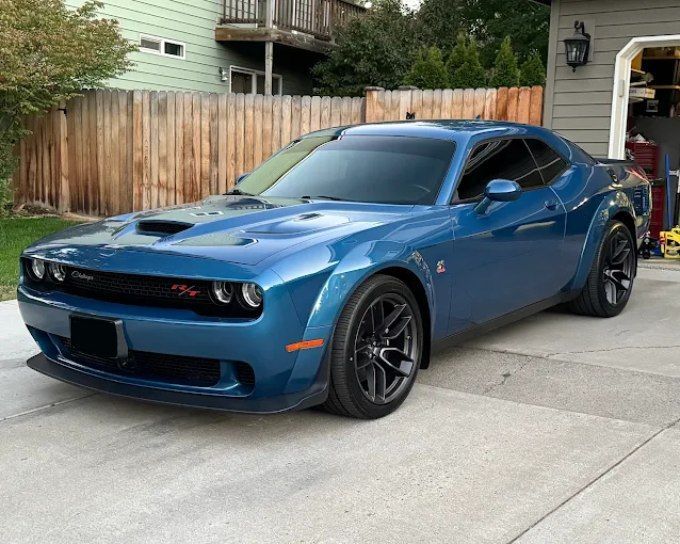
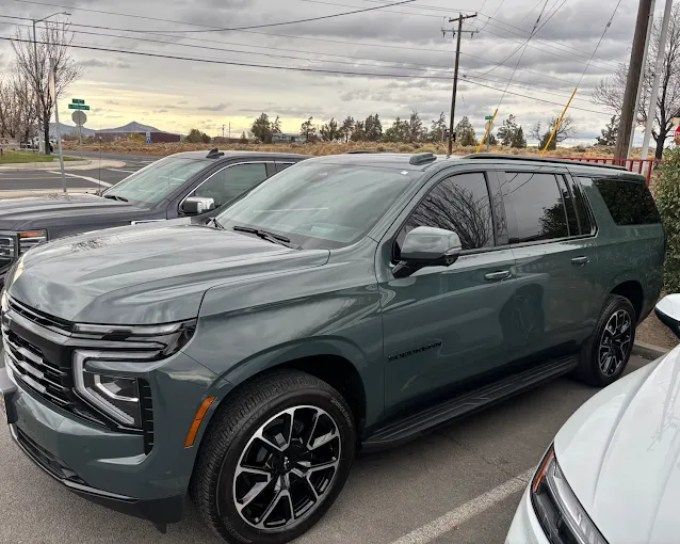
Edge sealing is less a single action than a combination of techniques matched to each part of the vehicle:
- Edge wrapping (tucking). Rather than ending the film flat at a panel's edge, a skilled installer wraps it around the edge and tucks it into the gaps at panels, door jambs, and trim. This hides the seam for a nearly invisible finish and greatly reduces the chance of lifting, because there is no exposed edge for contaminants to catch.
- Controlled heat activation. Where an edge cannot be wrapped, warming the film and its adhesive activates the bond and lets the material conform to curves that pressure alone cannot reach. Too much heat can distort the film, so this step rewards experience and a steady hand.
- Reinforcing sealant or tape. On high-exposure edges that stay visible, a flexible edge sealant or tape fills the microscopic gaps a clean cut can leave behind and forms a barrier against water, salt, and dirt.
Together, these methods create a continuous, resilient perimeter that holds up to weather, washing, and daily driving.
The Tools Behind a Clean Seal
Good edge work depends on the right equipment used with care. A precision heat gun delivers the gentle, controlled warmth needed to activate the adhesive without harming the film, while an edge sealing tool or roller applies even pressure along the seams so no gaps or air pockets remain. Before any of that, clean microfiber cloths and a proper solvent wipe prepare the surface so contaminants are not trapped beneath the film, and a quality edge sealant applied with a fine applicator locks down the most exposed borders. None of these tools works in isolation; the finish comes from how they are used together.
Why It Pays to Go Professional
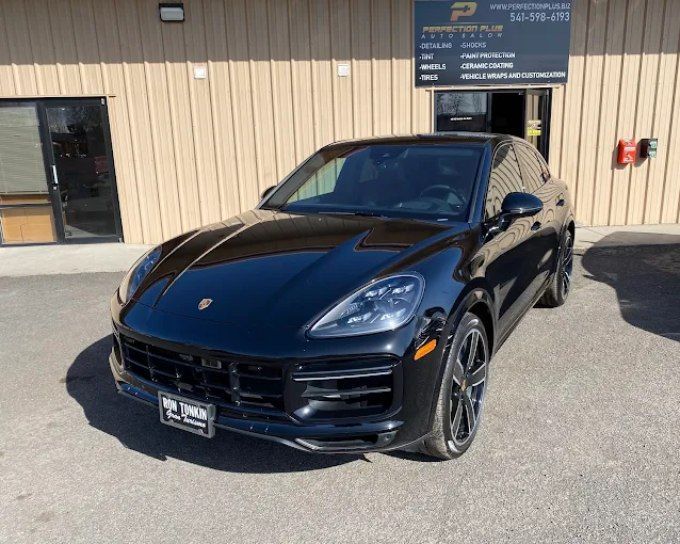
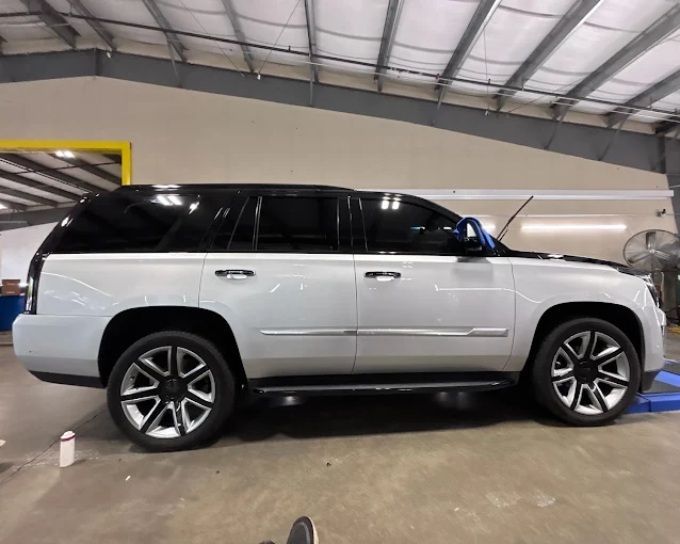
Everything about edge sealing rewards patience, preparation, and experience, which is where professional installation earns its keep. It starts before the film ever touches the car, with thorough cleaning and a solvent wipe to strip away oils and residue that would otherwise sabotage adhesion. It continues in a controlled environment, since temperature and humidity affect how the adhesive bonds and how cleanly the edges set. And it finishes with the kind of meticulous edge work that is easy to rush and hard to fake.
A DIY kit cannot replicate that. Exposed or poorly sealed edges are the most common reason films fail early, and once lifting starts, the fix is usually a costly reinstall. Professional installation also typically comes with a warranty against issues like peeling and lifting, which reflects confidence in both the materials and the workmanship. If you are still deciding which kind of protection fits your vehicle, it helps to understand how PPF and ceramic coating compare before you commit.
Protection also does not have to stop at the paint. Pairing film with protective undercoating helps guard the underbody against the road salt and moisture that come with Central Oregon winters, extending the same investment-minded care to the parts of your vehicle you never see. Done well, this kind of layered protection is one of the most effective ways of preserving your vehicle's long-term value.
Protect Your Investment with Perfection Plus Auto Salon
Your vehicle deserves more than film that looks good for a season. It deserves an install finished with the careful edge work, clean conditions, and expert eye that make protection last. At Perfection Plus Auto Salon, located at 810 NE Hemlock Ave in Redmond, OR and proudly serving Culver and the greater Central Oregon area, our IDA-certified technicians bring more than 25 years of experience and treat every edge, jamb, and trim line as part of a long-term defense system built for your vehicle.
If you are looking for paint protection film in Culver, OR, done right the first time, we are ready to help. Call us at
(541) 598-6193 to
schedule your consultation and experience the Perfection Plus Auto Salon difference for yourself.
Frequently Asked Questions
Why do PPF edges lift or peel?
Edge lifting usually traces back to rushed surface prep, over-stretching during application, or edges that were not fully sealed. When an edge is not wrapped or sealed properly, moisture and grit work their way underneath and loosen the bond, which is why careful edge work matters so much.
Does edge sealing change how the film looks?
Done well, it makes the film look better. Wrapping and tucking the edges hides the seam for a nearly invisible finish, while a proper seal keeps the perimeter smooth rather than letting it lift or collect dirt over time.
Can I seal PPF edges myself?
It is difficult to match professional results at home. Edge sealing depends on precise heat control, clean conditions, and experience reading each panel, and mistakes tend to show up as lifting or bubbling that require a full reinstall to fix.
How should I care for sealed edges after installation?
Give the film time to fully bond before washing, then stick to gentle hand washing with a pH-neutral soap. Avoid aggressive pressure directly at the edges, and have any early signs of lifting looked at promptly so a small issue does not become a big one.
Perfection Plus Auto Salon - Blog