Does Ceramic Coating Protect Against Rock Chips?
July 28, 2026
Understanding the Limits of Ceramic Coating
This is one of the most common misconceptions we run into, and it's an important one to clear up before you spend money expecting the wrong result. Ceramic coating gets marketed heavily around the word "protection," which leads a lot of owners to assume it will stop rock chips the way a physical film does. It won't, and understanding why makes it a lot easier to choose the right service for your vehicle instead of paying for something that doesn't match what you actually need.
Why Ceramic Coating Doesn’t Stop Rock Chips
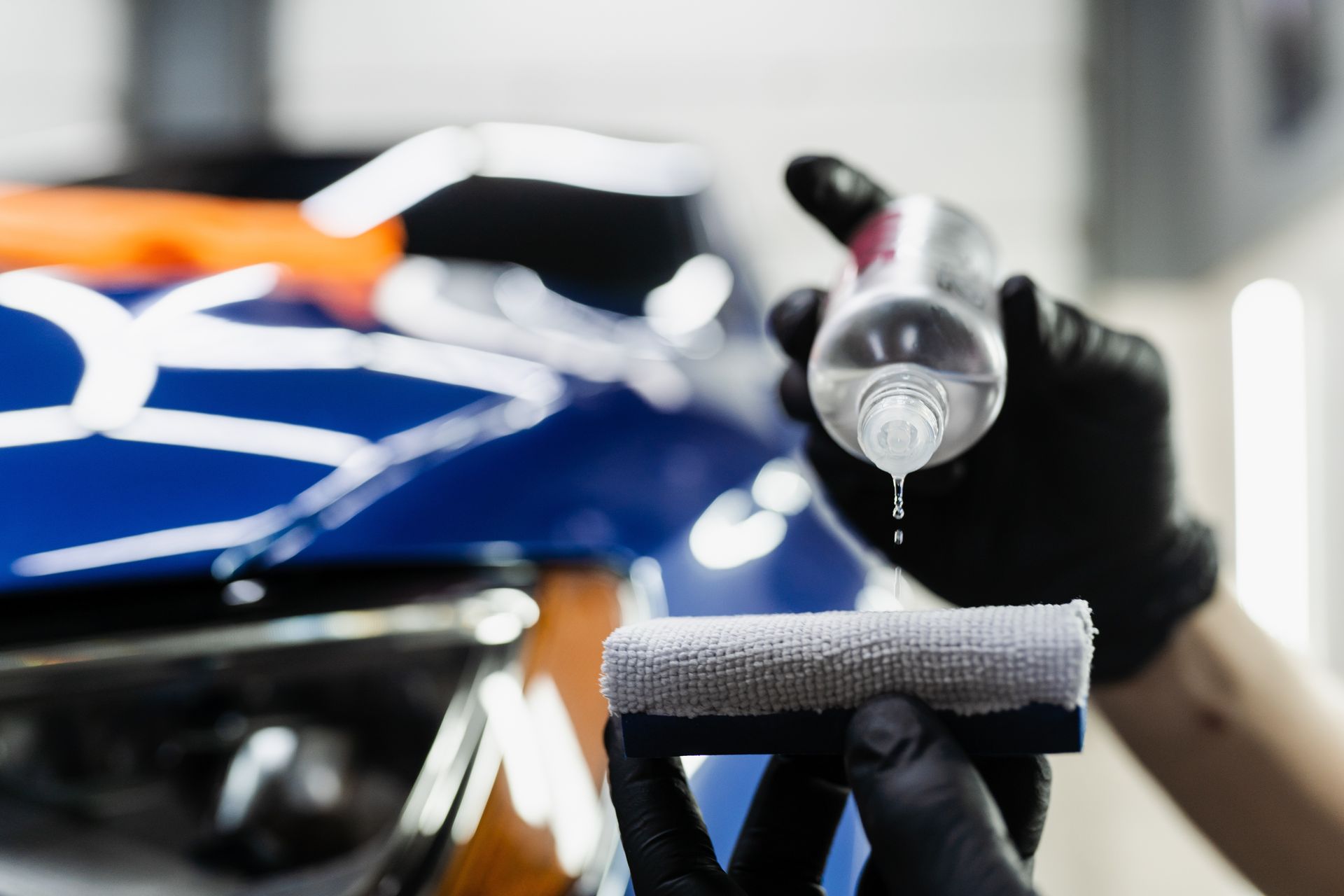
Ceramic coating is a thin liquid layer, typically measured in microns, which is a fraction of the thickness of a human hair. It bonds to the surface of your paint and adds hardness, UV resistance, and a slicker, easier-to-clean finish, but it does not add meaningful thickness to the surface.
A rock kicked up at highway speed doesn't care about a coating that thin. The impact still reaches the clear coat and paint underneath the same way it would on an uncoated vehicle. Some coating manufacturers use language like "9H hardness" in their marketing, and while that rating is accurate on a pencil hardness scale, it has almost nothing to do with how the coating handles a high-speed impact. If chip protection is your main goal, ceramic coating alone isn't the tool for the job, no matter how the packaging describes it.
Paint Protection Film is the Real Impact Defense
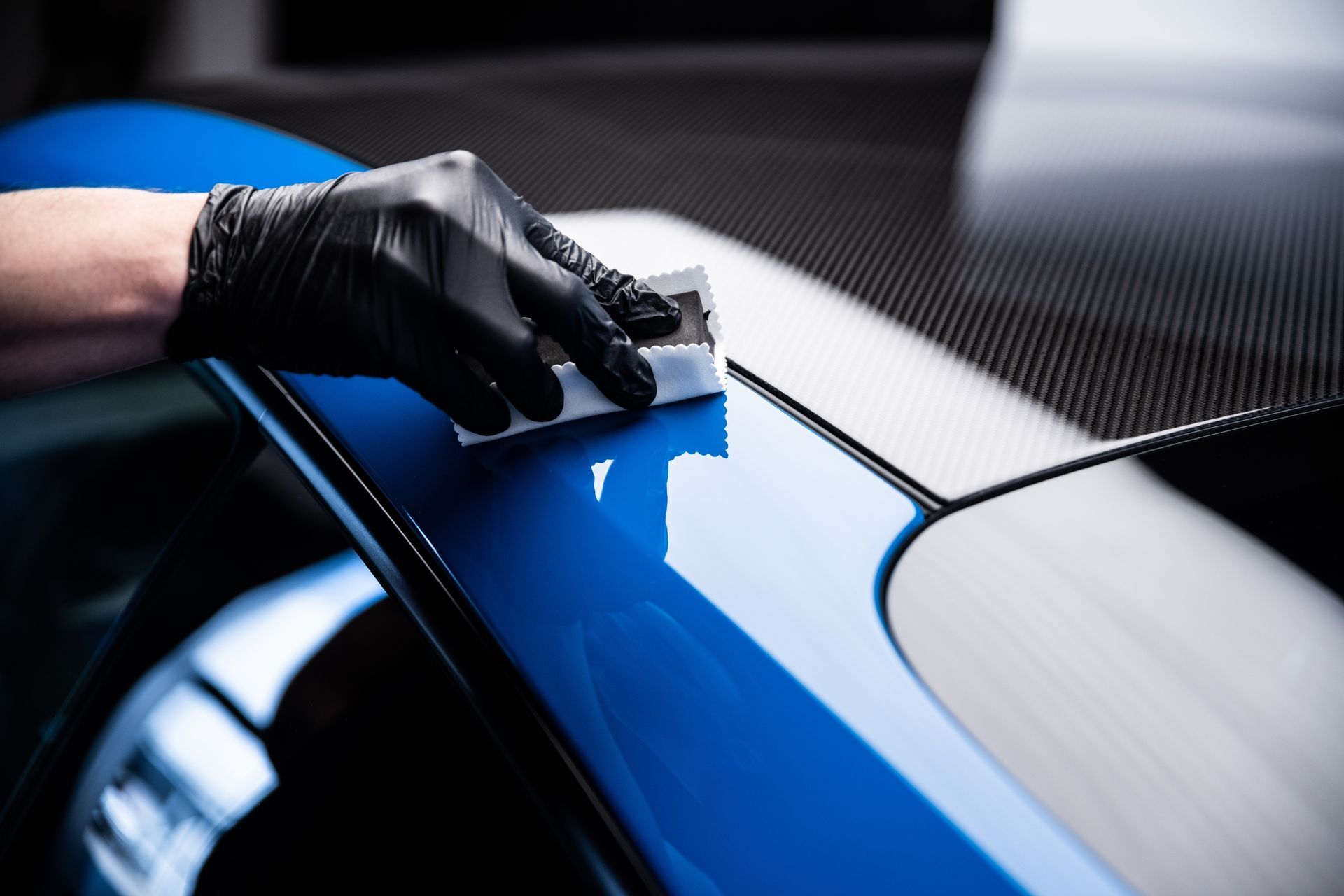
Paint protection film, or PPF, is built differently. It's a thick, urethane film applied directly to your paint, typically on the front bumper, hood, and mirrors where impact damage is most common. Because it has real physical thickness, PPF actually absorbs the impact from rocks, gravel, and road debris before it reaches your paint, rather than just adding surface hardness.
Many PPF products are also self-healing, meaning light scratches in the film itself can smooth out with heat from the sun or warm water, keeping the film looking clear over years of use. This is the layer of protection that's actually built to handle impact, not the coating, and it's worth understanding that distinction before you decide where to put your budget.
What Are the Benefits of Ceramic Coating?
None of this makes ceramic coating a bad investment; it just means it solves a different problem.
Deeper Gloss and Reflection
Coating gives paint a noticeably deeper gloss, making colors look richer and reflections look cleaner. It's often the first thing owners notice once the coating cures.
Easier Washing and Maintenance
Coating also adds hydrophobic properties that make washing easier. Water, dirt, and grime have a harder time clinging to a coated surface, which means less scrubbing and a cleaner-looking vehicle between washes.
UV and Chemical Resistance
Coating also adds resistance to UV fading and chemical staining, helping paint hold up better over time, especially on vehicles that spend a lot of time parked outside. A lot of our clients end up using PPF on the high-impact areas and ceramic coating over the rest of the vehicle, which gives them both benefits instead of expecting one product to do the other's job.
Conclusion
If your priority is keeping rock chips off your hood and bumper, PPF is the product built for that. If you're after gloss, easier maintenance, and longer-lasting shine, ceramic coating delivers on that front. Understanding the difference upfront saves you from paying for the wrong protection and being disappointed with the results down the road. Reach out anytime if you want help figuring out which combination makes sense for how you actually drive.