Why Surface Preparation Matters Before Applying Paint Protection Film
March 7, 2026
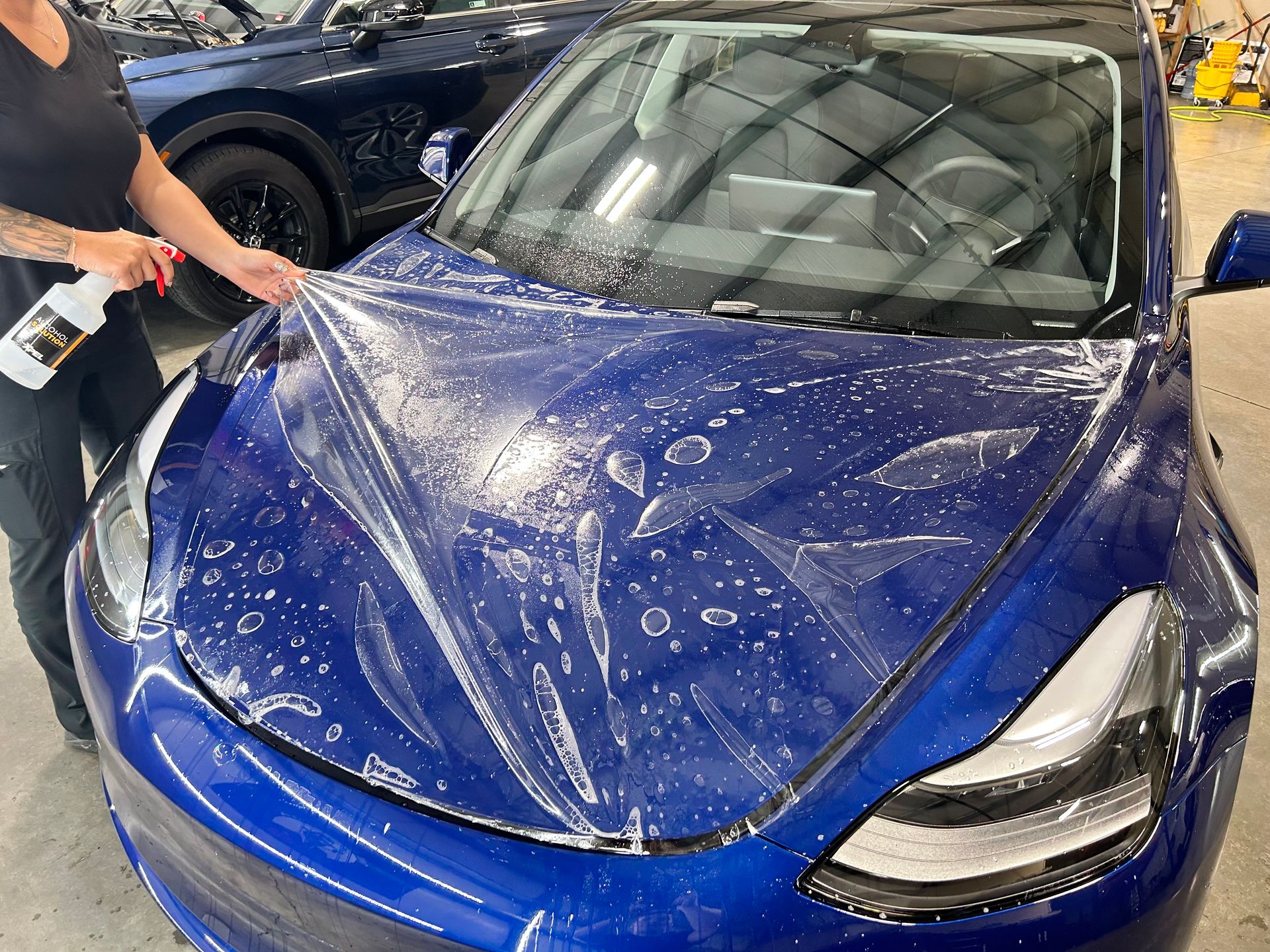
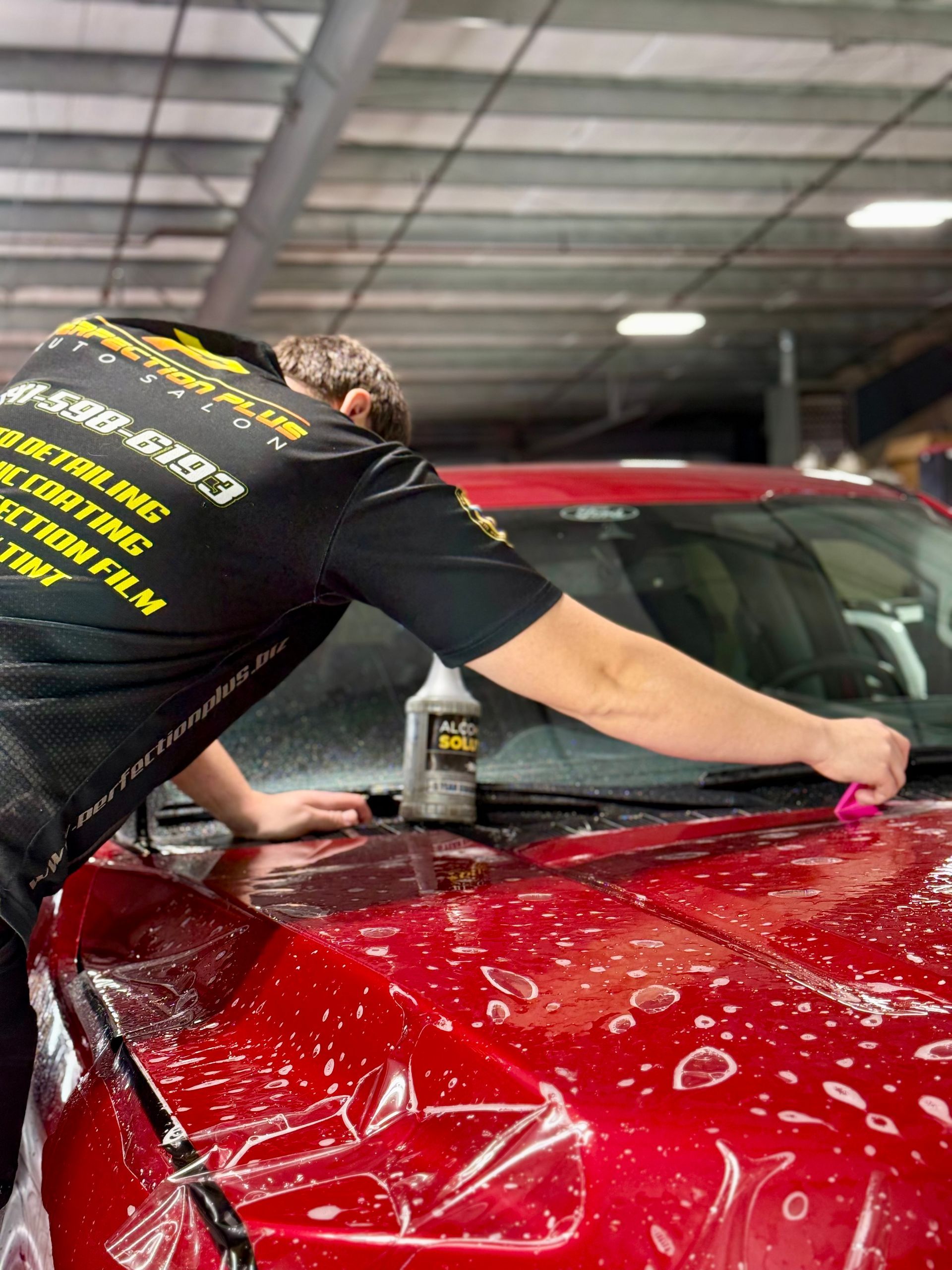
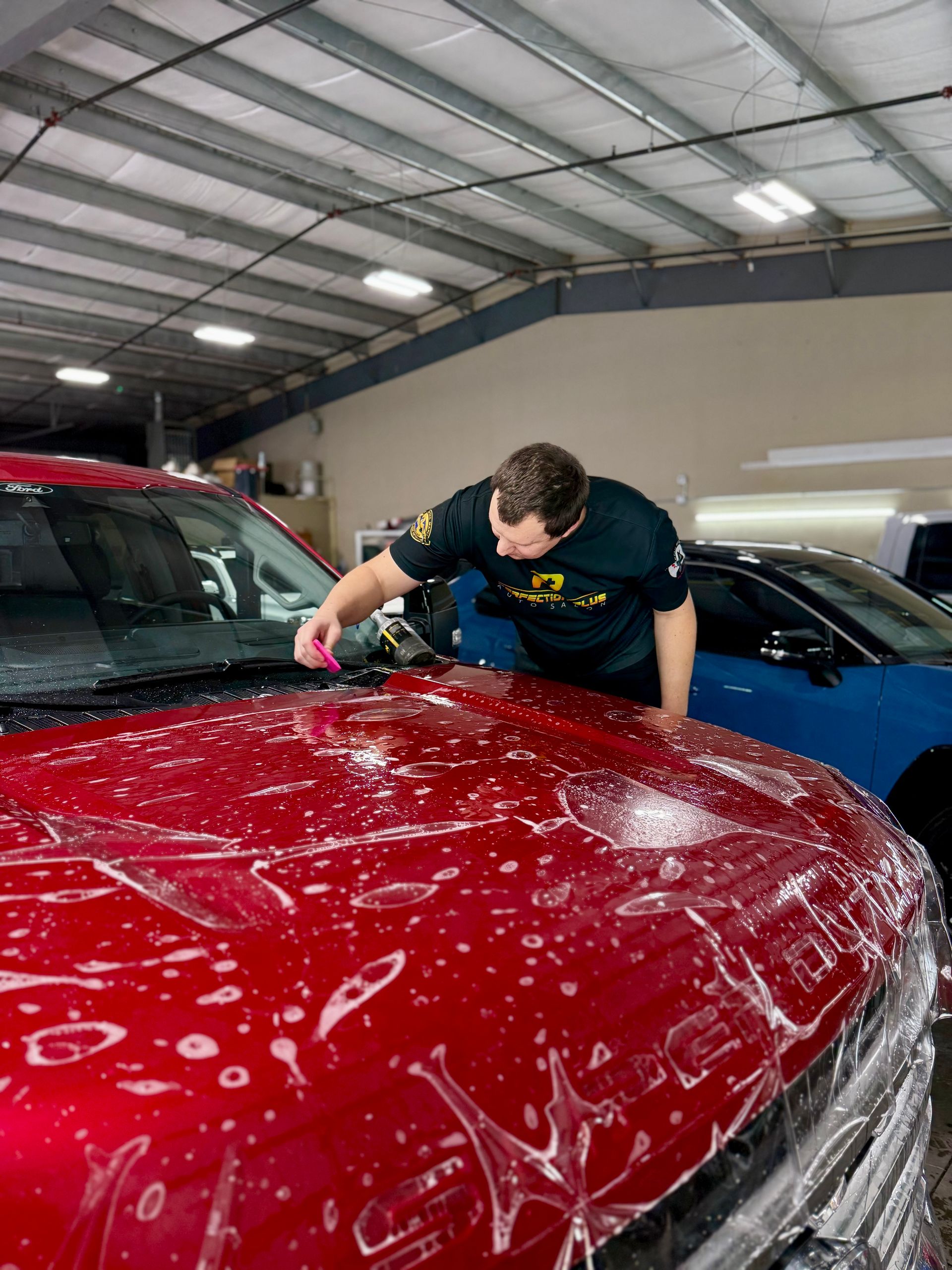
Before paint protection film (PPF) can do its job, the surface beneath it needs to be properly prepared. This step is often underestimated, but it is the foundation that determines how well the film adheres, how long it lasts, and how clean the finished result looks. No matter how high the quality of the film itself, poor surface preparation will compromise the installation from the start. At Perfection Plus Auto Salon, this preparation is treated as the most critical part of every PPF installation.
The Essential Role of Surface Preparation
Surface preparation is a comprehensive process, not a quick wipe-down. It involves multiple stages, each targeting a different type of contamination or imperfection that could interfere with the film's adhesive bond. Skipping or rushing through these steps creates problems that may not appear immediately but will surface weeks or months after installation in the form of bubbling, edge lifting, discoloration, or premature peeling. The goal of proper prep is to provide the film's adhesive a clean, smooth, and uniform surface to bond to. Any residual oils, dust, wax, or microscopic particles trapped beneath the film create weak points. In those areas, the adhesive cannot bond fully, and those gaps become entry points for moisture, which accelerates failure over time.
For vehicle owners in Oregon, this feature is especially important. The combination of intense UV exposure, road dust, and elevated temperatures places additional stress on PPF. A well-prepped surface allows the film to conform tightly to curves and edges, creating the kind of durable bond needed to hold up under those conditions. It is exactly this kind of environment that shapes how the team at Perfection Plus Auto Salon approaches every vehicle that comes through the door.
What Separates a Professional Installation from a Poor One
The most visible difference between a professional PPF installation and a substandard one often has nothing to do with the film itself. The difference lies in the actions taken prior to any contact with the film. At Perfection Plus Auto Salon, surface preparation is treated as a multi-stage process with a clear purpose behind each step. The vehicle is not simply washed and filmed. It is inspected, cleaned at multiple levels, chemically decontaminated, physically decontaminated, and polished before the installer ever reaches for the film. Each of those stages removes a different category of material that would otherwise compromise the bond. The result is a surface that is genuinely ready to receive the adhesive, not just one that looks clean from a distance.
An untrained or rushed installer skips stages, combines steps that should be separate, or uses products that are not appropriate for the surface. The installation may look acceptable on day one, but the underlying issues will reveal themselves over time. Bubbles form where contaminants were sealed in. Edges lift in areas where the adhesive could not bond fully. The film begins to fail not due to poor quality, but because the surface beneath it was never properly prepared.
Professional preparation also requires real judgment, not just a checklist. Paint condition varies from vehicle to vehicle. A car with heavy oxidation needs more aggressive correction than one with light swirling. A vehicle with a thinner clear coat requires a more careful polishing technique to avoid causing new damage while correcting existing damage. These are decisions that cannot be made mechanically. They require hands-on assessment and the experience to match the preparation approach to what the paint actually needs.
Environment and Conditions Professional Installers Control
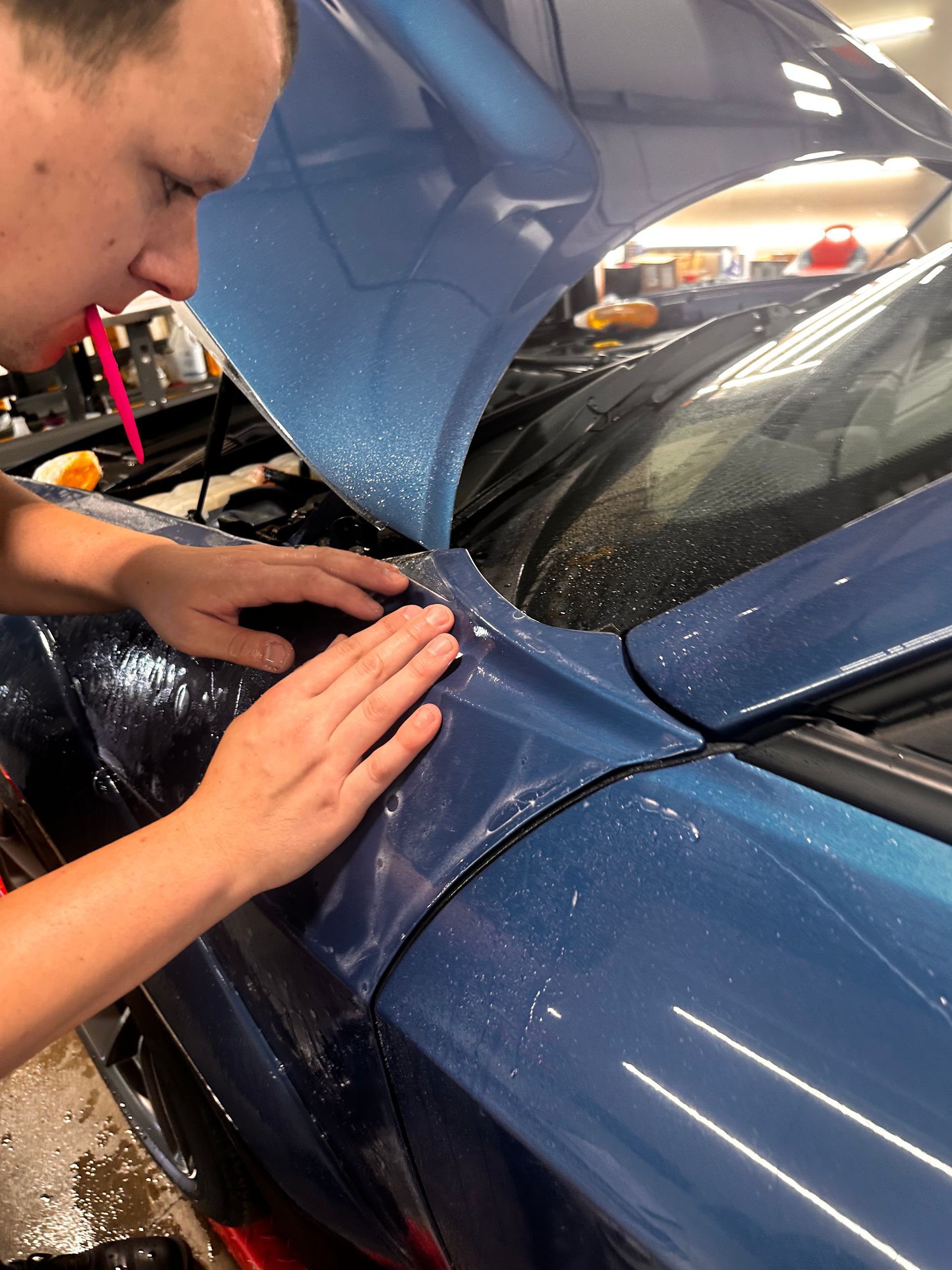
Beyond what they do to the vehicle, professional PPF installers also control the environment in which they work. This is a detail that rarely gets discussed but has a direct impact on how well the film bonds. Temperature and humidity both affect adhesive performance. Film applied in conditions that are too cold, too hot, or too humid will not bond the same way it would under controlled conditions. Moisture in the air can become trapped beneath the film during installation, leading to cloudiness or adhesion failure that only becomes visible after the fact. Perfection Plus Auto Salon works in a controlled environment that eliminates those variables and gives the adhesive the conditions it needs to cure properly.
Professional installers also manage the sequence and timing of each preparation stage carefully. Certain products need time to fully react before the next step can begin. Rushing from one stage to the next before the previous step has done its job results in incomplete preparation, even if every individual stage is technically performed. Attention to timing is part of what makes a professional process different from an impatient one.
Why the Film Cannot Compensate for Poor Prep
There is a common assumption that a high-quality film will produce a high-quality result regardless of what the surface underneath looks like. That assumption is incorrect. PPF is a clear, conforming material. It does not fill or hide what is beneath it. If there are swirl marks, light scratches, or oxidation on the paint when the film goes on, those imperfections will still be visible afterward. In some cases, the glossy surface of the film makes them more obvious than they were on bare paint. The film was designed to protect a good surface and keep it that way, not to mask a compromised one.
The same applies to contamination. Particles trapped beneath the film do not disappear. They create raised spots and uneven texture that are visible under certain lighting conditions. Over time, moisture accumulates around those particles and begins to undermine the adhesive from beneath. What started as a small contamination point becomes a bubble, and what started as a bubble becomes a section that has to be removed and reapplied. When Perfection Plus Auto Salon prepares a surface thoroughly before installation, both of these risks are eliminated before the film goes on. The result is a film that sits perfectly flat, transmits the paint's natural gloss without distortion, and maintains that appearance for the life of the film rather than degrading steadily from day one.
The Risks of Skipping Prep
Cutting corners on surface preparation has predictable and costly consequences. Contaminants left beneath the film do not stay hidden. They create bumps that are visible from certain angles and tend to worsen over time as moisture accumulates around them. Edges begin to lift in areas where the adhesive failed to bond fully. Bubbles form where trapped air or oils prevented the film from lying flat against the paint. Paint defects sealed under the film without correction often look worse after installation than they did before. The film can magnify rather than conceal them, turning a subtle swirl mark into a glaring imperfection beneath a glossy protective layer.
The lifespan of the film is also significantly affected. Poorly prepped surfaces lead to early failure, which means the film needs to be removed and replaced far sooner than it should. That adds cost and leaves the paint exposed during the periods between installations. Beyond the financial impact, there is the issue of protection itself. A film that is bubbling, lifting, or delaminating is not providing the coverage it was designed to provide. The purpose of PPF is to shield the paint from road debris, UV exposure, and environmental damage, and a compromised installation undermines all of that.
Why Proper Preparation Determines PPF Performance
Surface preparation is not a preliminary formality before the real work begins. It is the work. The difference between a PPF installation that holds up for years and one that starts failing within months almost always comes down to how seriously the prep was taken before the film was ever applied.
For vehicle owners in Oregon, the quality of the prep is every bit as important as the quality of the film itself. Perfection Plus Auto Salon offers
premium services for paint protection film in Redmond, OR, carefully preparing each vehicle to ensure the film bonds smoothly and performs reliably over time. We treat every installation as a long-term commitment to your vehicle's protection and appearance, and that commitment starts well before the film is ever touched.
Schedule your PPF installation today!