The Role of Window Tint in Enhancing Passenger Comfort
April 14, 2026
Stepping into a car on a sweltering afternoon can feel less like getting ready for a drive and more like climbing into an oven. Bright sunlight pouring through untreated glass heats the interior quickly, makes glare nearly unavoidable, and puts real strain on both driver and passengers. Window tinting is one of the most practical upgrades a vehicle owner can invest in, yet it remains one of the most underestimated. By cutting heat, blocking UV rays, and reducing glare, quality window tint transforms the in-car experience in ways that go well beyond appearances.
The Technology Behind Window Tint
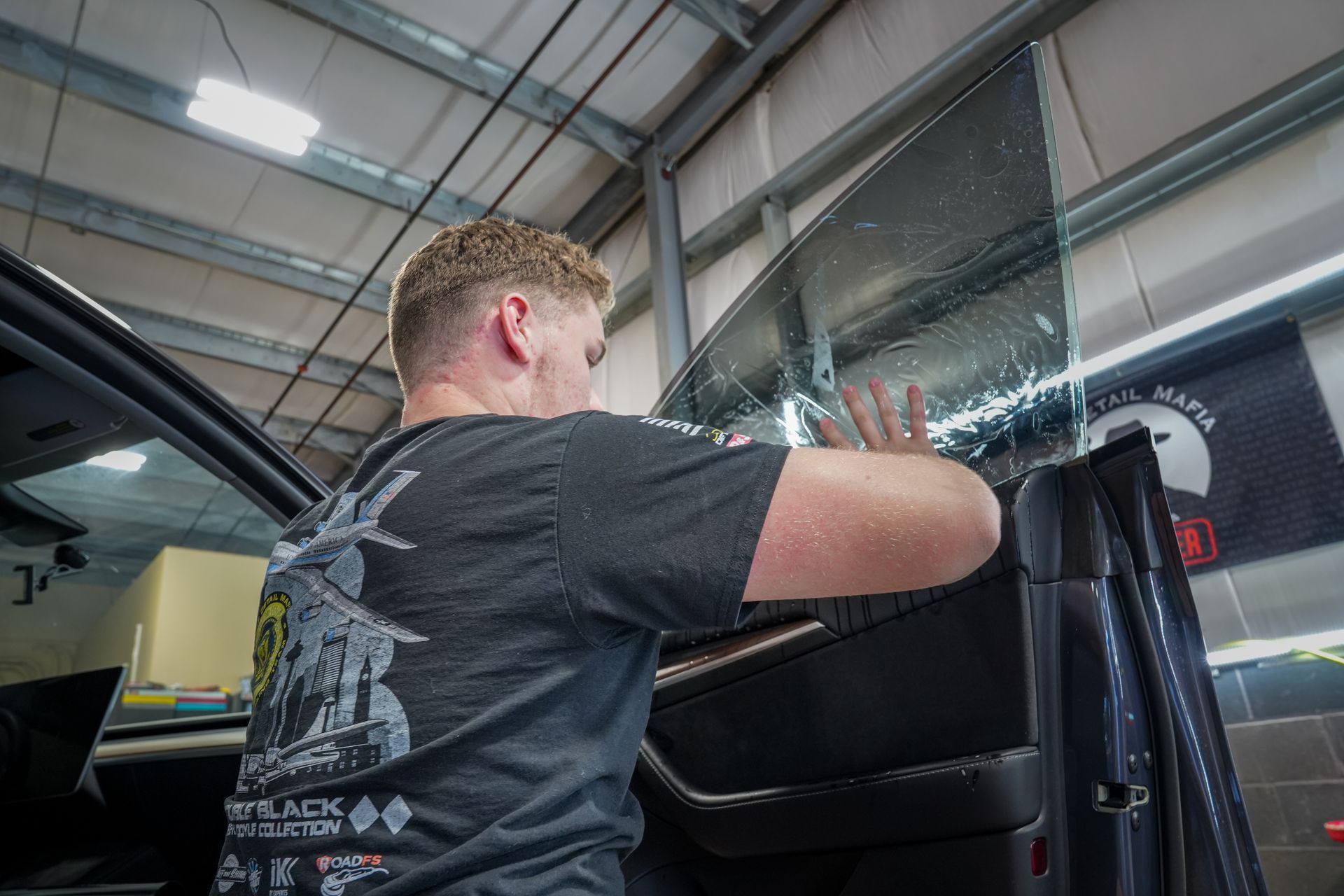
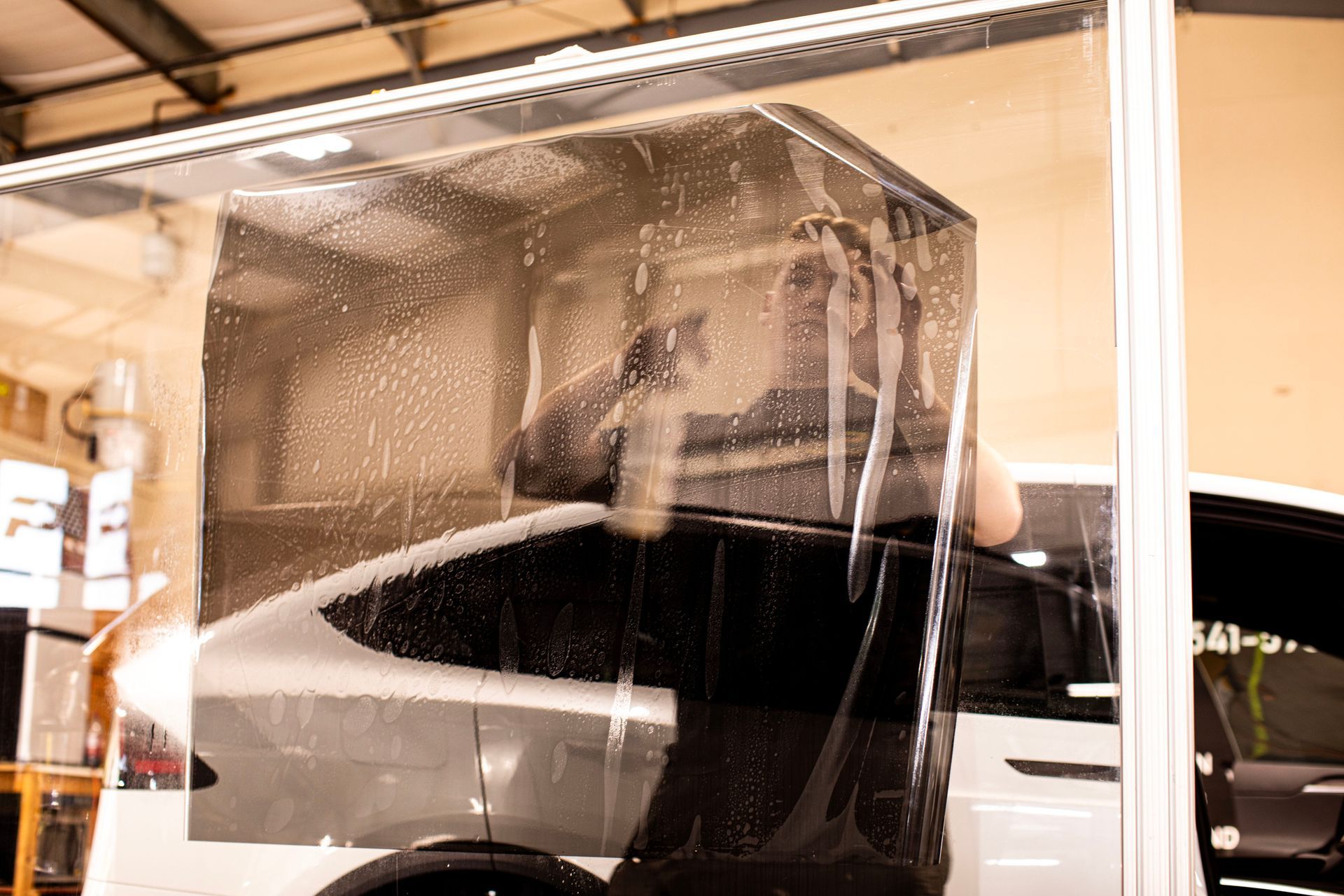
Modern window tint films are built from multiple layers working together to filter heat, block harmful radiation, and preserve visibility. Different film types accomplish these objectives in different ways, and understanding the distinctions helps in choosing the right solution for any vehicle.
Dyed films were among the earliest options on the market. They rely on pigment to absorb solar heat and reduce glare, and while they offer a cost-effective entry point, they tend to fade over time and provide less heat resistance than newer alternatives.
Metallized films introduced a step up in performance by embedding small reflective metal particles into the film layers. These films reject more heat and offer solid durability, though they can sometimes interfere with GPS and mobile signals, which is worth considering for drivers who rely on connected devices.
Ceramic and carbon films represent the current standard for high-performance tinting. Ceramic films use non-metallic nano-ceramic particles to filter infrared rays without disrupting electronic signals. They block a substantial portion of infrared heat while maintaining excellent visibility and offer some of the highest UV protection available in automotive window film. Carbon films share many of the same advantages, with strong heat resistance and no signal interference, and are often preferred for their clean matte appearance. Both options outperform dyed and metallized films in nearly every practical category.
Heat Reduction That Makes a Real Difference
One of the most immediate and noticeable benefits of window tinting is a cooler cabin. Without tint, infrared radiation from sunlight passes freely through glass and accumulates as heat inside the vehicle. On a hot day, that process happens quickly and results in interior temperatures that far exceed the outdoor air temperature.
High-quality tint films are designed to reject a significant portion of that infrared radiation before it enters the cabin. The result is a noticeably cooler interior that requires less air conditioning to maintain comfortable temperatures. Less reliance on the AC system means reduced strain on the vehicle's cooling components and improved fuel efficiency over time. For anyone who drives regularly in warm climates, that kind of ongoing savings adds up.
Beyond driver and passenger comfort, cooler cabin temperatures also protect the vehicle's interior materials. Prolonged exposure to heat causes dashboards to fade and crack, leather to dry out, and plastics to become brittle. Tinted windows act as a thermal barrier that slows that process significantly, helping the interior maintain its appearance and condition over the long term.
UV Protection for Everyone in the Vehicle
Standard automotive glass blocks some ultraviolet radiation, but it leaves a significant portion of UVA rays unchecked. These rays penetrate deeply into skin, contributing to premature aging and increasing long-term health risks. The same exposure affects eyes as well, contributing to strain and other concerns over time.
Quality window tint films provide a meaningful layer of protection against UV exposure. Premium ceramic and high-performance films are capable of blocking the vast majority of both UVA and UVB rays, offering protection that standard glass simply cannot match. This matters not just on long road trips but during everyday commutes and short errands. UV exposure inside a vehicle accumulates over time, and consistent protection makes a tangible difference.
Children and older passengers benefit particularly from this protection. Children's skin is more sensitive to UV damage, and for older drivers or passengers prone to eye-related concerns, reducing UV exposure through quality tinting is a straightforward and effective measure.
This protection extends to the vehicle itself. UV rays break down the molecular structure of interior materials, causing upholstery, trim, and dashboard surfaces to fade and deteriorate faster. Tinted windows slow this degradation considerably, preserving both the appearance and the resale value of the vehicle over time.
Glare Reduction and Safer Driving
Glare is more than a minor inconvenience. Whether it comes from direct sunlight, reflections off nearby surfaces, or oncoming headlights at night, excessive brightness limits visibility, forces the eyes to constantly adjust, and increases driver fatigue. Over a long drive, that effect compounds.
Window tinting addresses this directly by filtering out a substantial portion of the intense light that causes glare. The result is an interior environment where the eyes are not constantly straining against brightness. Drivers can maintain better focus and clearer peripheral awareness without squinting, and that improvement in visual comfort translates into safer, less fatiguing drives.
This benefit extends into nighttime driving as well. Quality tint films reduce the harshness of oncoming headlight glare without significantly compromising visibility, making nighttime driving more comfortable, particularly in high-traffic areas.
For drivers who experience eye sensitivities, fatigue during longer drives, or visual discomfort from bright light conditions, tinted windows offer consistent, passive relief without any additional steps or accessories.
Privacy and Security
Window tinting naturally increases the privacy of a vehicle's interior by limiting how much passersby can see through the glass. The degree of privacy depends on the film's Visible Light Transmission percentage, commonly referred to as VLT. Lower VLT values indicate darker tint and reduced outside visibility. A film at a very low VLT provides near-complete privacy, while mid-range options offer a practical balance between privacy and clear outward visibility, especially at night.
Beyond the personal comfort of not feeling observed while driving or sitting in traffic, this privacy has practical security value. A vehicle interior that is difficult to see into is less likely to attract theft. Opportunistic thieves tend to target vehicles where valuables are clearly visible, and tinted windows remove that visibility.
Inside the vehicle, the effect is a noticeable sense of personal space. Whether making calls, working on a device while parked, or simply relaxing during a long trip, the sense of being shielded from outside observation contributes to a calmer and more comfortable experience. It is worth noting that tint darkness is regulated, and VLT limits vary by state. Selecting a tint that meets local legal requirements ensures that privacy benefits come without any complications.
Aesthetic Benefits
Window tinting also delivers real aesthetic value. A well-applied tint gives a vehicle a polished, finished appearance that elevates its overall look without being flashy. Darker shades add depth and visual cohesion to the vehicle's profile, while lighter options provide a more subtle enhancement that still reads as intentional and refined.
The quality of the film itself plays a significant role in how the vehicle looks over time. High-performance ceramic films maintain their appearance far better than budget options, resisting the bubbling, discoloration, and peeling that can develop in lower-quality films after extended exposure to heat and sunlight. A film that stays looking clean and smooth year after year is a better investment both aesthetically and functionally.
Professionally installed window tint can also contribute to a vehicle's resale value. Vehicles with quality tinting in good condition are generally perceived as better maintained and more desirable, which can work in the owner's favor when the time comes to sell or trade.
Choosing the Right Tint
Selecting the appropriate window tint involves balancing personal priorities with practical considerations. Heat rejection, UV protection, privacy, and aesthetic preferences all point toward different film types and darkness levels. Understanding what matters most makes the selection process clearer.
From a performance standpoint, ceramic films offer the most comprehensive set of benefits. They provide strong heat rejection, high UV protection, and no interference with electronic devices, all while maintaining clarity and visibility. Carbon films are a solid alternative for those who prioritize heat resistance and a matte finish at a slightly lower price point. Dyed and metallized films remain available at lower cost but come with trade-offs in performance and longevity.
Legal compliance is also a necessary consideration. Each state sets its own regulations on allowable tint darkness, and those rules differ between the front windshield, front side windows, rear side windows, and rear glass. Choosing a tint that falls within legal limits protects against fines and the cost of removal and replacement.
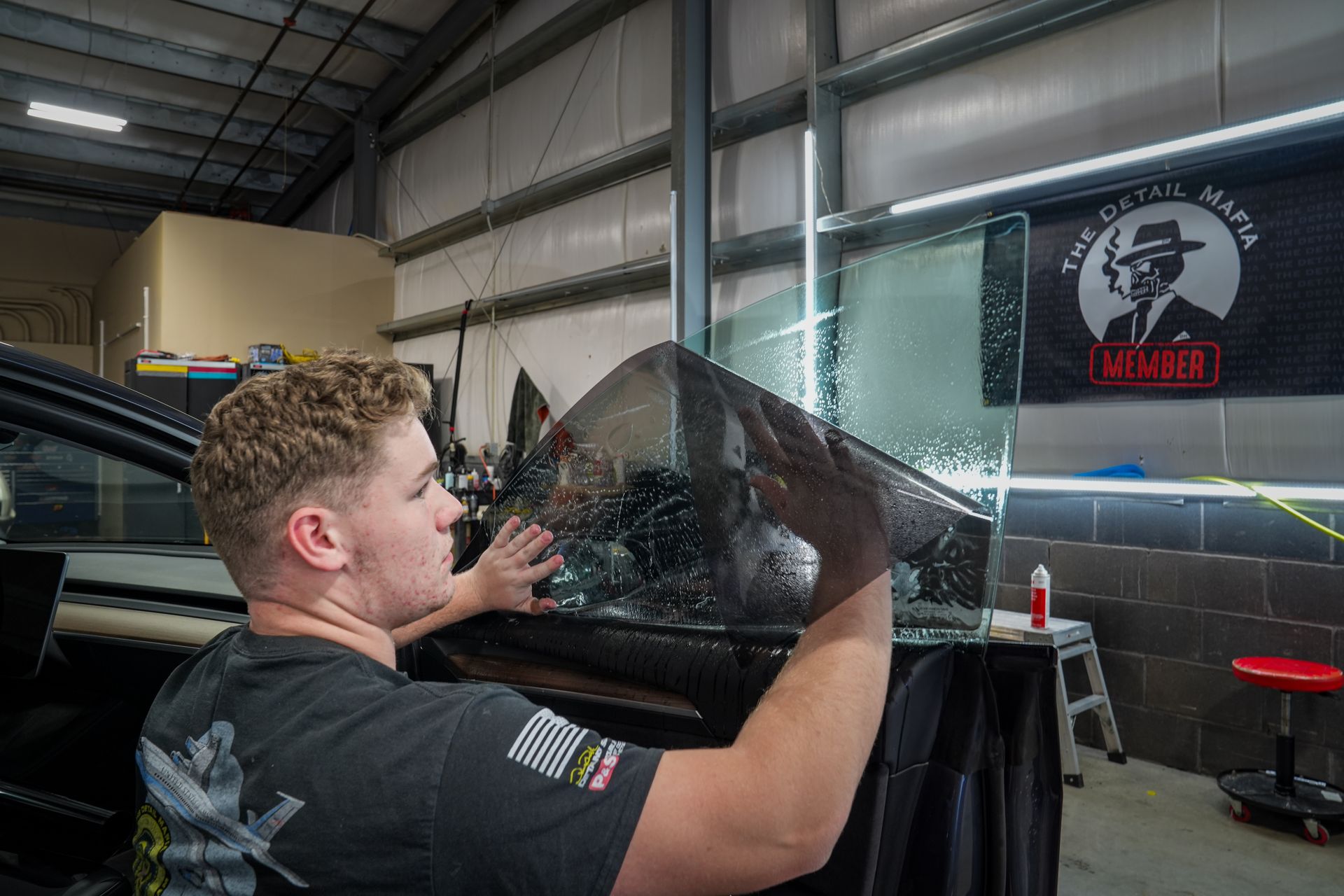
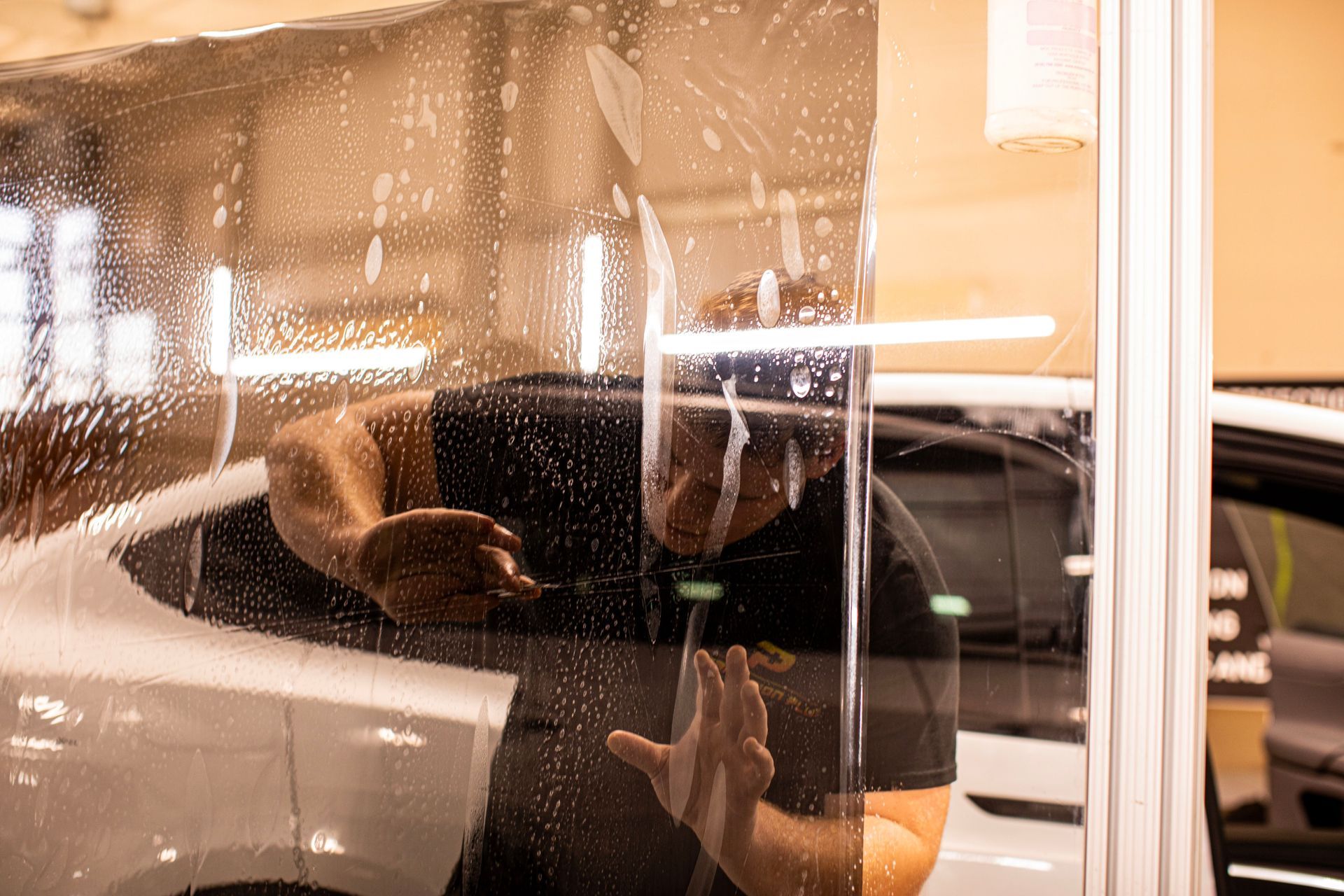
Professional installation makes a significant difference as well. Even a high-quality film will underperform or look poor if applied incorrectly. Proper installation ensures smooth adhesion, even coverage, and a finished result that holds up over time. Working with experienced professionals is the most reliable way to get the full value out of a window tinting investment.
Cooler Drives Start Here in Bend, OR
When comfort, clarity, and protection matter every time you get behind the wheel, the right window tint makes all the difference. At Perfection Plus Auto Salon, auto window tinting is tailored to reduce heat, block UV exposure, and minimize glare for a more enjoyable driving experience in every season. Using high-performance films and precise installation techniques, each vehicle receives a clean, consistent finish that enhances both comfort and appearance.
Schedule your auto window tinting service in Bend, OR today and experience a cooler, more comfortable ride built for the road ahead!
Perfection Plus Auto Salon - Blog