PPF Benefits: Why Smart, Long-Term Paint Protection Is Essential
December 12, 2025
Taking care of your car's paint might not be something you think about every day, but it makes a huge difference in how your vehicle looks and holds its value over time. Even small scratches or chips can add up and turn a shiny finish into something dull and worn out. That's where paint protection film, or PPF, comes in—a nearly invisible layer that acts like armor for your car's paint, helping keep it safe from daily wear and tear. In this article, we'll explore why investing in PPF is one of the smartest choices you can make to protect your car for years to come.
Paint protection film offers durable, transparent shielding that guards your vehicle's paint against chips, scratches, fading, and environmental damage, effectively maintaining its pristine appearance over time. Beyond aesthetic preservation, PPF reduces maintenance costs by repelling dirt and contaminants and features self-healing properties that repair minor scratches with heat exposure, making it a smart long-term investment for protecting your car's value and finish.
What Is Paint Protection Film?
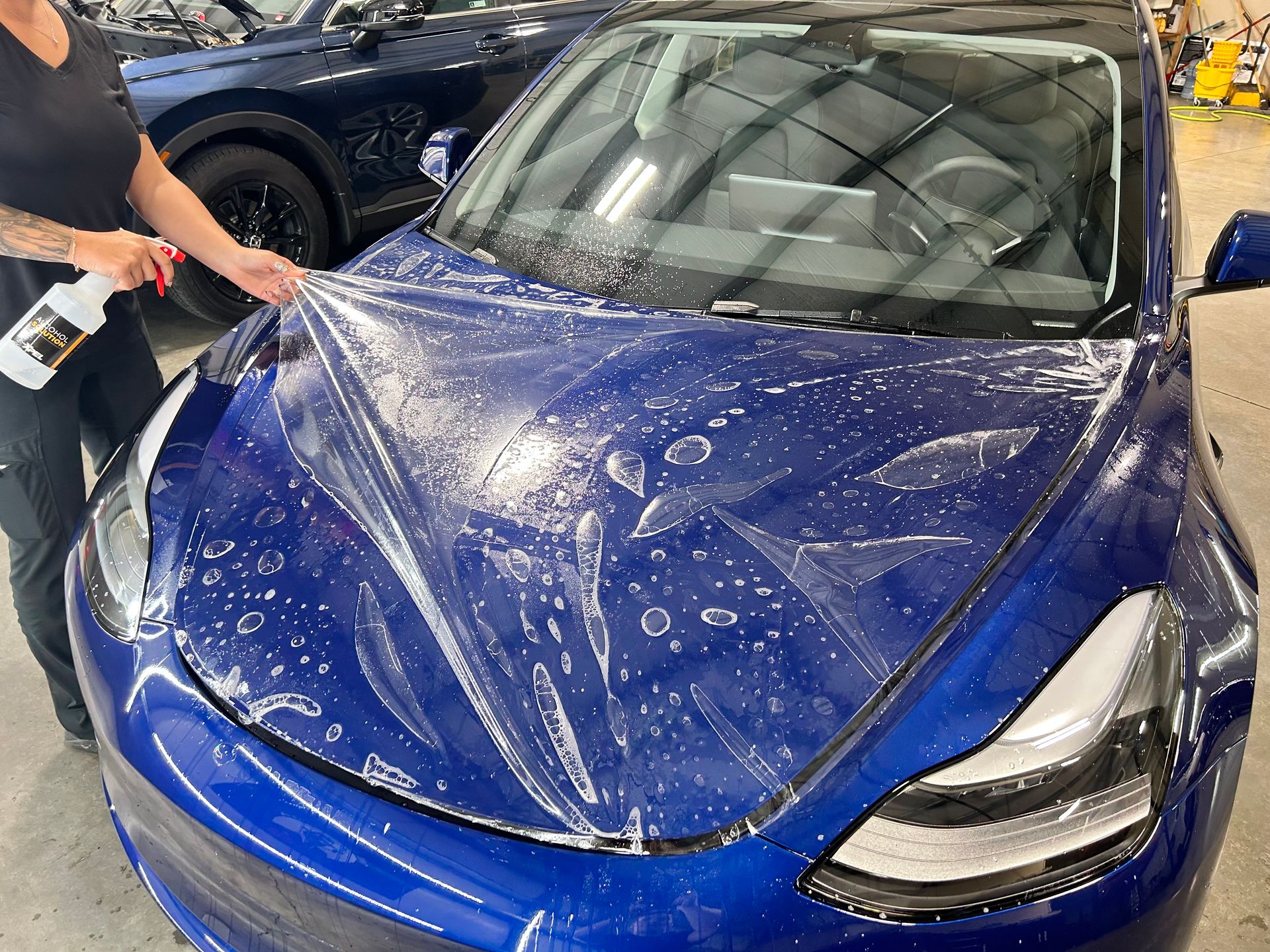
Paint protection film, or PPF, is a clear, flexible layer of thermoplastic urethane applied directly to a vehicle's painted surfaces. Though virtually invisible once installed, it acts like an armored shield for your car's paintwork, safeguarding against everyday hazards that would otherwise leave unsightly marks. Imagine it as a transparent barrier that absorbs the impact from tiny rocks, road debris, and even minor scratches that happen during routine driving. Interestingly, this technology wasn't initially created for cars. It originated in the military sector to protect helicopter blades from potentially damaging airborne debris. The film needed to be both tough and elastic, able to withstand harsh environments while preserving the integrity of the underlying material. Automotive engineers recognized its potential and adapted PPF for cars, where similar challenges exist on a different scale. What makes PPF particularly remarkable is its blend of features. It boasts high transparency, allowing your car's original color and shine to remain vivid. It has self-healing properties, where minor surface scratches can vanish when exposed to heat such as sunlight.
Plus, it offers exceptional UV resistance, which means your paint won't fade or yellow prematurely after prolonged sun exposure. The film's hydrophobic characteristics cause water and dirt to bead and roll off easily, and its durability guards against chips, abrasions, and environmental damage. When you consider its thickness, it may seem slender, but it's engineered for strength and flexibility. The thermoplastic urethane composition allows it to stretch around curves seamlessly while maintaining resilience against impacts. Its hydrophobic surface means cleaning your car becomes simpler: dust and grime don't cling stubbornly but instead slide away with less effort. Applying PPF isn't a casual task either. Surface preparation requires meticulous washing and polishing to eliminate dirt or wax residues that could interfere with adhesion. Then certified professionals use precision-cut films tailored for specific vehicle models to perfectly contour every curve and edge. This careful application ensures that the film remains virtually invisible without bubbles or peeling over years.
Benefits of Long-Term Paint Protection
Paint protection film acts as a resilient barrier that takes the brunt of everyday hazards faced by your vehicle's paint. Imagine your car facing thousands of tiny assaults throughout its life—gravel kicked up on highways, abrasive dust swirling in the wind, UV rays baking the finish under the summer sun, or careless shopping carts brushing against its sides. Without PPF, each of these encounters chips away at the pristine surface, causing damage that's sometimes expensive and often irreversible. The film essentially serves as a sacrificial shield, preserving the original paint beneath while allowing minor imperfections to self-heal thanks to modern advances in technology. This remarkable protective ability translates directly into fewer trips to the body shop and less frequent need for costly repainting or detailing treatments.
Beyond protection, PPF also minimizes maintenance demands with its hydrophobic surface. Dirt and grime simply bead off or wash away more easily, reducing both cleaning time and the use of harsh chemicals that can degrade your paint further. When you think about it, this isn't just saving money—it saves effort and helps maintain a fresh appearance effortlessly. Another compelling advantage is how PPF contributes to retaining your vehicle's value. A car that looks nearly flawless speaks volumes to prospective buyers. Cars outfitted with professionally installed PPF can command higher resale prices than similar models without protection. This premium arises because buyers perceive these vehicles as better cared for and less likely to require immediate cosmetic repairs, particularly appealing for high-end luxury or collector models. Targeting installation on high-impact zones such as bumpers, hoods, fenders, and side mirrors maximizes protection where damage risk is greatest—giving you the best bang for your buck while subtly enhancing your vehicle's aesthetic appeal without changing its factory look.
Moreover, advances in PPF technologies have introduced films with superior UV resistance, preventing paint fading or oxidation that often develops from prolonged sun exposure. High-grade multilayer constructions also contribute significant durability and longer-lasting defense. It's worth noting that while PPF is not invincible—it can't prevent damage from catastrophic impacts—the self-healing properties present in most premium films allow minor scratches to fade when exposed to heat sources like sunlight or warm water. This quality extends the visual perfection for years without constant reapplication or touch-ups.
The Science Behind PPF
At its core, paint protection film is a marvel of material science designed to be both tough and invisible. Its power lies in multi-layer construction, with each layer crafted to address a specific challenge faced by vehicle paint. The outermost layer acts as a clear coat, packed with UV blockers that prevent harmful rays from causing the paint beneath to fade or oxidize. This layer is also engineered with self-healing capabilities; minor scratches and swirl marks disappear when exposed to everyday heat, thanks to specialized elastomeric polymers. Just beneath the clear coat is the heart of the film, the urethane layer. Urethane's chemical structure makes it incredibly flexible yet resistant to tearing and punctures. When small but fast-moving particles like gravel hit the car, this layer absorbs and disperses the kinetic energy, effectively stopping chips before they can mar the paintwork.
Premium films measure about 8 mils thick, delivering impressive protection without sacrificing clarity or texture. Below this protective buffer sits the adhesive layer specially formulated for automotive use. It must offer strong bonding to hold the film securely without damaging or discoloring the car's finish if removal becomes necessary years down the line. Industry-leading adhesives balance toughness with removability, ensuring PPF lasts through harsh weather and frequent washes while leaving no residue or peeling. Together, these properties form an invisible armor—guarding your vehicle daily while preserving its showroom shine. While advanced materials secure protection, equally critical is the precision in installation techniques that uphold PPF's performance and seamless appearance over time.
Importance of Professional Installation
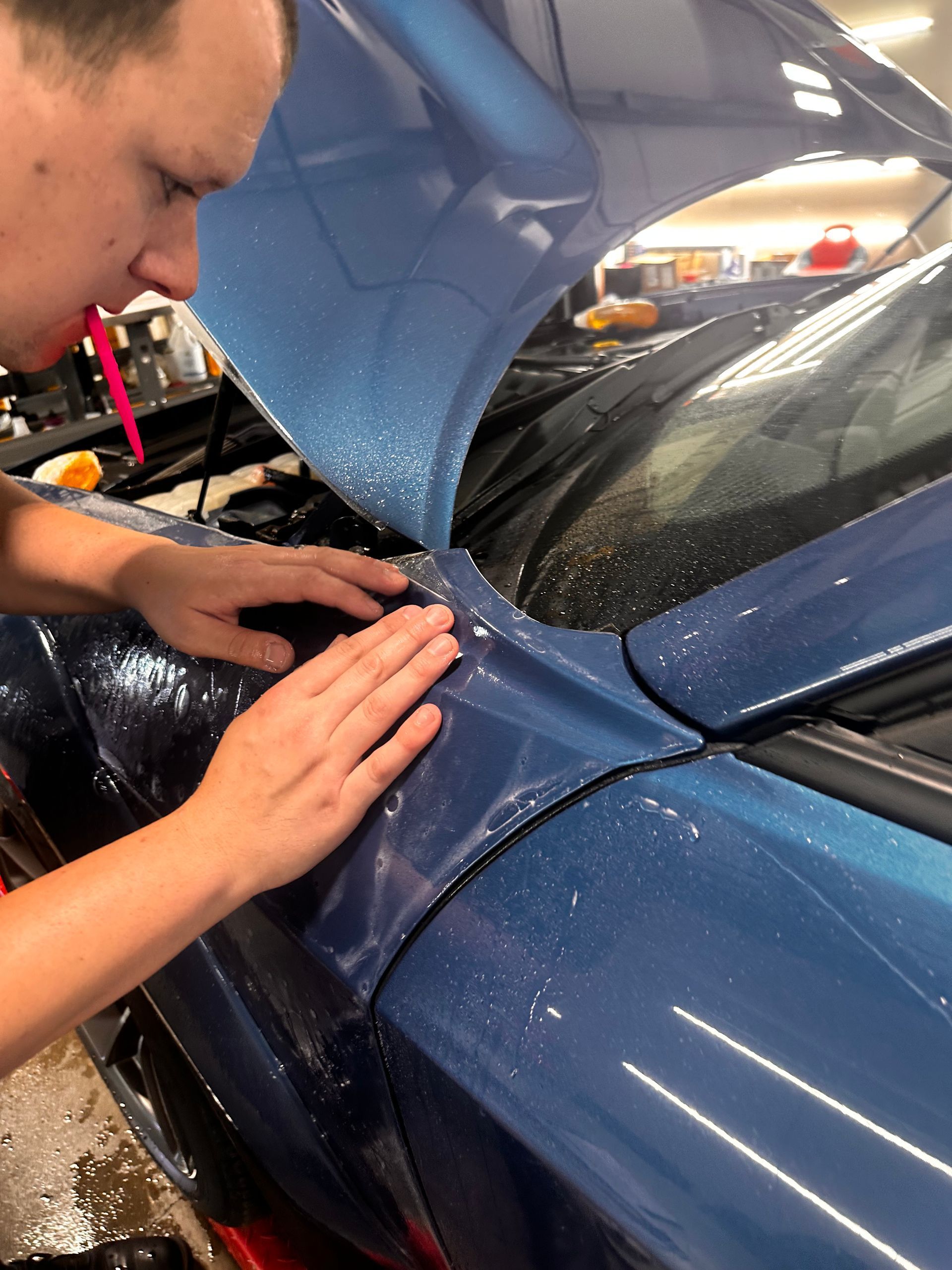
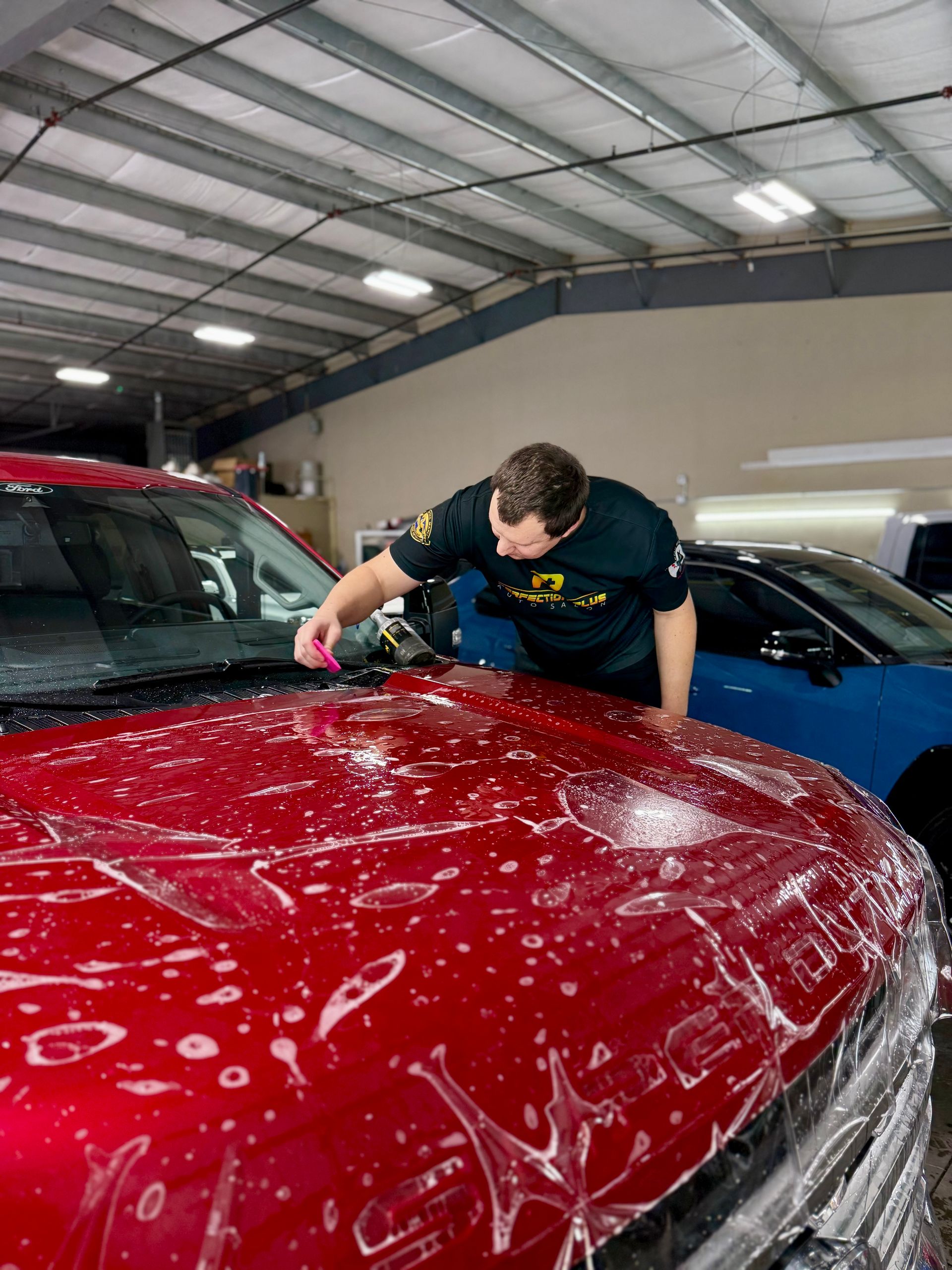
Applying paint protection film might seem straightforward, but in reality, it requires a blend of artistry, technical skill, and the right equipment. Professionals have honed their craft to ensure every inch of film adheres flawlessly, preventing common issues like bubbles, wrinkles, or peeling edges that can easily arise with DIY efforts. A tiny speck of dust or an unnoticed fingerprint caught beneath the film may seem insignificant but can ruin the finish and invite premature film failure. The process begins long before the film contacts your vehicle. Skilled installers thoroughly clean and prepare the paint surface using specialized cleaners and polishing compounds to remove any contaminants. This step is critical because even microscopic debris can compromise adhesion. Then comes precise measurement and cutting, where the installer either uses pre-cut patterns tailored for your make and model or carefully trims the film by hand to fit curves and recesses seamlessly. Proper heating and stretching of the film during application allow it to conform without stress points, preserving flexibility and durability.
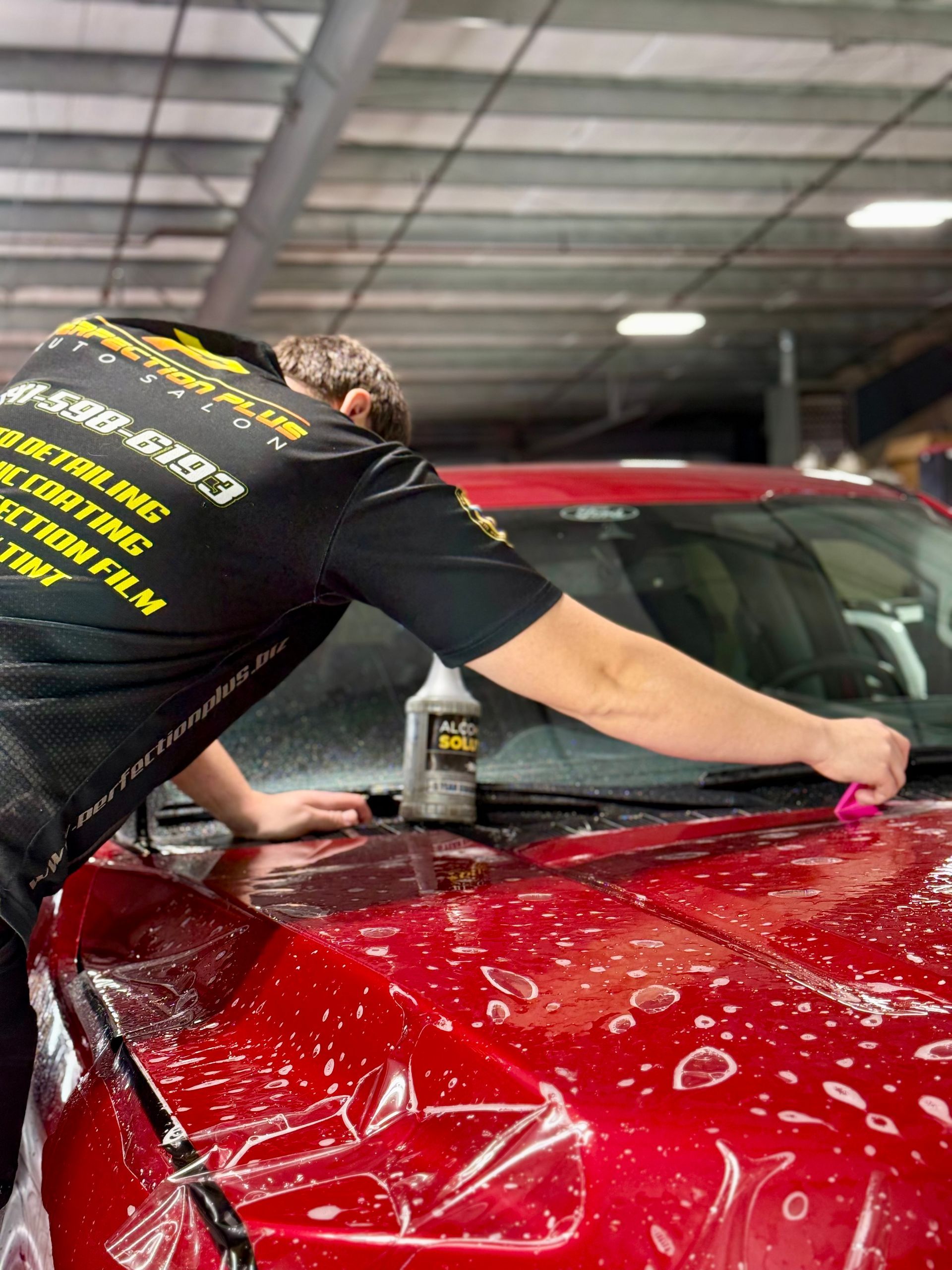
Beyond technique, professional installers have access to specialized tools such as heat guns that activate the film's elastic properties and squeegees designed to smooth out trapped air and moisture. Without this expertise, uneven pressure or rushed installation can lead to bubbling or lifting that not only diminishes aesthetics but also exposes your paint to damage. Another crucial factor is warranty coverage. Leading PPF manufacturers often require professional installation for their warranties to remain valid. This means if anything goes wrong, you're protected as long as a certified technician performed the installation. Attempting a DIY install might save money upfront but risks voiding these guarantees and potentially costing much more in repairs or reapplication down the road. If you want your car's paint to stay pristine for seven to ten years, seeking out an authorized installer is essential. Look for shops that showcase transparent processes and can demonstrate past work free of bubbling or lifted seams. A reputable installer will also provide post-installation care instructions and stand by their work with solid warranties.
Maintenance Tips for PPF
Caring for paint protection film isn't complicated, but it demands consistent attention. The best way to preserve that pristine look and durable shield is regular, gentle cleaning. Using a mild, pH-neutral soap during washes ensures you don't degrade the film's surface or its protective qualities. Your cleaning routine should be a delicate ritual, one where a soft microfiber cloth or sponge is your trusted tool rather than abrasive brushes or aggressive cleaners. It's equally important to avoid automatic car washes with stiff rotating brushes. Although tempting for their speed and convenience, they can lift edges or cause tiny tears under the film's surface. Instead, hand washing with gentle sprays or steady streams of water reduces stress on the film edges—which are often its most vulnerable points—and keeps it firmly adhered over time. Even when it comes to drying, a soft microfiber towel should be your go-to companion. Air drying can leave behind water spots that mar the finish, while rough fabrics might cause micro-scratches invisible to the naked eye but detrimental in aggregate.
Beyond everyday cleaning, PPF stands out with its innovative self-healing property. Minor scratches and swirl marks aren't permanent scars but invitations to activate this feature. Applying gentle heat from a heat gun or even warm water encourages microscopic layers in the film to relax and close those tiny imperfections naturally. This creates an effect where scratches fade away without polishing or buffing—procedures that could damage the film if done incorrectly. However, vigilance remains vital because peeling edges or air bubbles can form over time due to environmental factors or improper installation. Regularly inspecting your PPF lets you catch these early before dirt accumulates underneath or damage worsens. If you notice any lifting areas or blisters, consulting a professional installer quickly can save you from costly repairs down the road.
To bolster resistance against UV rays, consider using a UV protectant spray specifically formulated for PPF. These coatings extend the life expectancy of both the film and the underlying paint by creating an invisible barrier against sun-induced fading and yellowing, preserving that flawless showroom shine regardless of prolonged exposure. By embracing these care techniques, you aren't just preserving a thin plastic layer; you're protecting your vehicle's finish in a way that saves money and effort over years, keeps resale value intact, and maintains pride in appearance. Smart maintenance transforms PPF from temporary protection into long-term perfection.
Top PPF Services in Redmond, OR
Perfection Plus Auto Salon offers
professional paint protection film services in Redmond, OR for drivers who want dependable protection without changing the look of their vehicle. Each PPF installation is completed with careful preparation and precise placement to help shield painted surfaces from daily road exposure. With options designed to fit different vehicles and driving needs, Perfection Plus Auto Salon makes it easy to protect your investment.
Schedule your paint protection film service today!
Perfection Plus Auto Salon - Blog