Window Tinting Reduces Glare for Safer, Easier Driving: Key Benefits Explained
January 14, 2026
If you've ever squinted through blinding sunlight or struggled with sudden glare while driving, you know how unsafe and exhausting it can be. Window tinting might just be the simple fix you're missing. It's more than just darkening your windows for style. By cutting down harsh reflections and managing light, tinting helps your eyes stay focused and comfortable, making every drive safer and less tiring. Window tinting reduces glare by filtering and controlling the amount of visible light entering your vehicle, significantly minimizing the intensity of sunlight and reflections that cause eye strain. This results in improved visibility, reduced squinting, and enhanced driver comfort, ultimately making driving safer and less fatiguing in bright conditions.
How Window Tinting Reduces Glare
Window tinting essentially acts like a sophisticated filter for your car's windows, controlling the amount and type of light that enters your vehicle. The secret lies in the special compounds embedded within the tint film. These compounds selectively absorb and reflect sunlight, especially the intense and focused rays that cause glare. Rather than simply darkening your windows, modern tints use advanced technology to distinguish between necessary daylight and harsh glare, allowing enough light to maintain clarity while preventing blinding reflections.
One of the clever mechanisms at work is how these films reduce the scattering of visible light waves. When sunlight or headlights hit unprotected glass, the reflected light often scatters erratically, creating sharp contrasts and spots of brightness that strain your eyes. The tint's microscopic layers dampen this scatter, smoothing out sudden bright flashes into a more manageable glow. This filtering effect supports a more consistent visual experience, reducing eye fatigue during long drives or when faced with sudden bursts of sunlight or oncoming lights. It's important to note that tinting doesn't block all light. Doing so would impair visibility, which defeats the purpose. Instead, tint films are engineered to maintain a balance: blocking the excessive light causing glare while preserving enough natural illumination for safe driving conditions. This balance varies by tint darkness level, measured as visible light transmission or VLT, with legal limits ensuring you don't compromise your ability to see clearly at all times.
In practical terms, drivers in sun-drenched regions feel this impact daily. The low-angle sun reflecting off wet roads, buildings, and nearby vehicles creates persistent glare hazards. Installing quality window tint significantly cuts down these blinding reflections. As a result, you react faster and drive more confidently because your eyes aren't constantly battling harsh brightness or abrupt visual shifts. Intense glare can significantly slow driver reaction time. By contrast, tinted windows reduce that delay by lessening the intensity of incoming light and smoothing visual contrasts.
For those living in high-sunlight areas, selecting a tint with roughly 35% VLT strikes an effective balance, dimming glaring rays without overly darkening your field of view. Advanced ceramic tints offer premium glare filtering with excellent heat rejection and UV protection, ensuring maximum comfort without sacrificing clarity. Beyond daytime sunlight, tint also moderates glare from nighttime sources such as high-beam LEDs or reflective roadside signs. This multi-scenario effectiveness makes it an invaluable upgrade not only for those battling the sun but also for anyone wanting relief from harsh artificial lights after dusk.
Types of Tinting Films
- Dyed Window Film: It is often the first kind people encounter when considering tinting because it's affordable and visually appealing. It works by using layers of dye to absorb solar heat, which helps reduce sunlight glare, albeit modestly. While it provides a smoother, darker finish to your vehicle's windows and cuts some of the harsh brightness, it lacks durability over time. The dye can fade or discolor with prolonged exposure to sunlight, making it less ideal for long-term protection or heavy-duty glare reduction.
- Metalized Window: These tints go a step further by embedding tiny metallic particles within the film. This creates a reflective barrier that bounces sunlight and infrared rays away from your vehicle's interior. Besides offering strong glare reduction and excellent UV protection, metalized films also reinforce the strength of your windows against minor impacts, enhancing safety. However, this added layer of metal can create unwelcome side effects. Many users find that these films interfere with electronic signals such as GPS navigation, radio reception, and even cell phone connectivity.
- Ceramic Window Tints: They represent the premium choice for glare reduction technology. Made from special ceramic materials, these films can block up to 99% of harmful UV rays and keep the heat out while still letting you see clearly. What sets ceramic apart is its ability to provide excellent glare reduction without interfering with any electronic devices inside or outside the vehicle. This means you get all the benefits of heat rejection and eye comfort without compromising GPS or radio signals. While ceramic films carry a higher price tag upfront, their durability and scratch resistance make them an investment that pays off in the long run.
- Hybrid Films: They blend the best features of dyed and metalized films by combining layers of dye with metallic particles in carefully calibrated ratios. This approach yields a balanced product that reduces glare noticeably while offering better durability than simple dyed tints. Hybrid films don't typically reach ceramic levels of performance but strike a good compromise between cost, heat rejection, clarity, and signal preservation.
Choosing the right tint boils down to what matters most: budget, vehicle electronics compatibility, long-term durability, and how much you prioritize reducing glare and heat inside your car. Each type offers unique trade-offs that can dramatically influence driving comfort and safety under intense sun and reflected light conditions.
Enhancing Driver Safety
Window tinting goes well beyond aesthetic appeal. When you're cruising down sun-drenched highways or evening roads lit by glaring headlights, your eyes work overtime to process the brightness and reflections. Tinted windows act like a filter that softens intense light before it hits your eyes, which reduces fatigue and helps maintain sharper focus. Eye strain is more than just discomfort. It subtly chips away at your ability to respond quickly. When squinting against harsh light or flickering reflections, your brain diverts some of its attention from the road to managing visual stress. Over time, this fatigue accumulates, often unnoticed until it impacts reaction capabilities.
Window tinting minimizes these interruptions, keeping your vision steady and your mind alert over long drives. Drivers with professionally tinted windows often demonstrate faster reaction times in bright conditions compared to those without tinting. This improvement may seem slight, but in practical terms, those tenths of a second can mean avoiding a collision during sudden stops or unexpected hazards. Furthermore, drivers experience less distraction because tinted windows reduce reflective glare from roads, vehicles, and surrounding buildings that commonly cause brief blindness or confusion. Glare not only blinds but also confuses the eye's natural adjustment process. Without tinting, the constant battle between shadowed areas and bright patches imposes visual noise, which hampers depth perception and makes it harder to judge distances accurately.
With window tint filtering out extremes, your vision achieves a stable contrast level that lets you better estimate space and movement around you. To maximize these safety benefits while staying within legal limits, experts often recommend using 35% VLT tints in bright regions. This balance helps reduce glare substantially while preserving clear visibility for night driving and law compliance. The cumulative effect of these benefits creates an environment where drivers can anticipate hazards sooner and react more confidently.
UV Protection and Interior Preservation
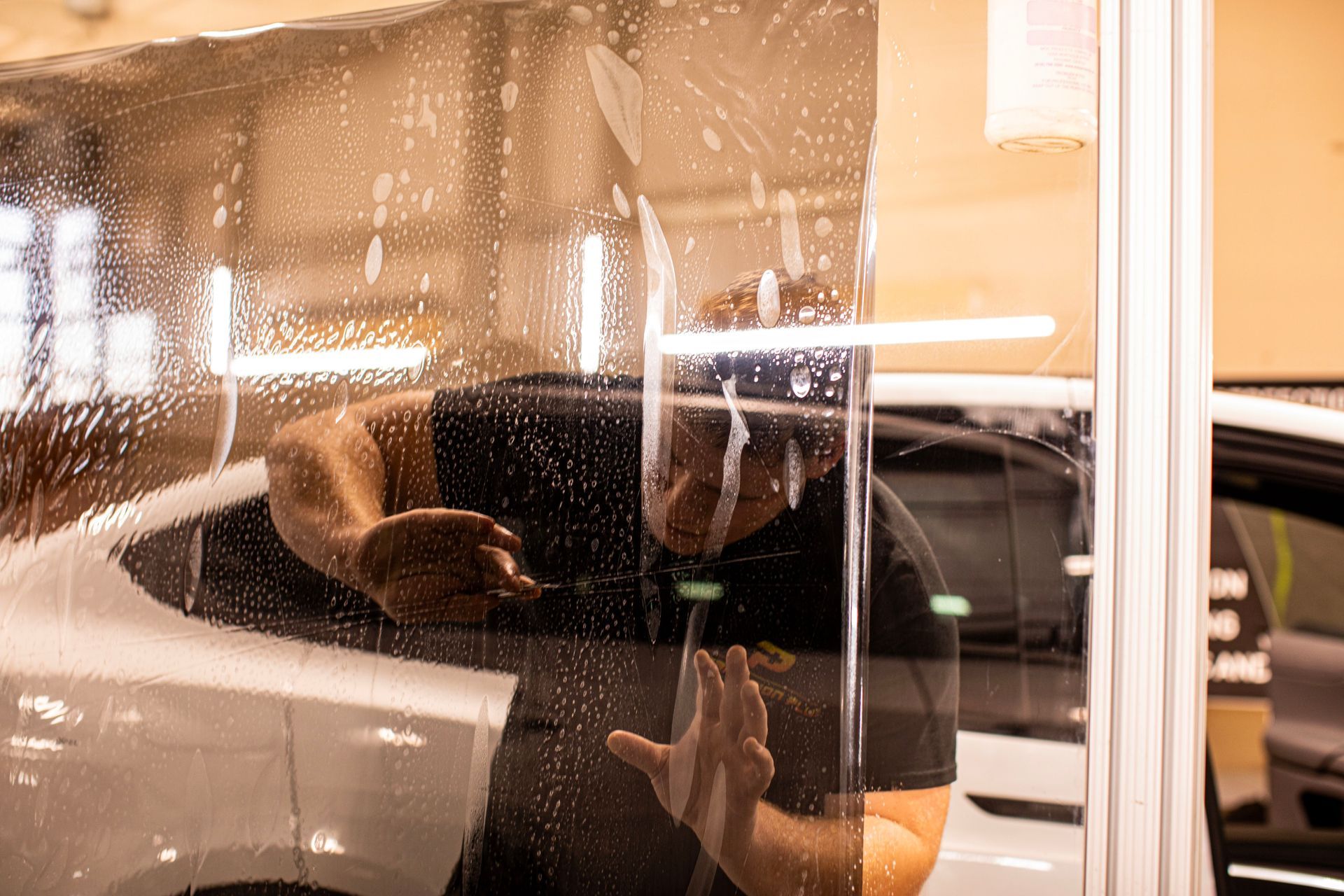
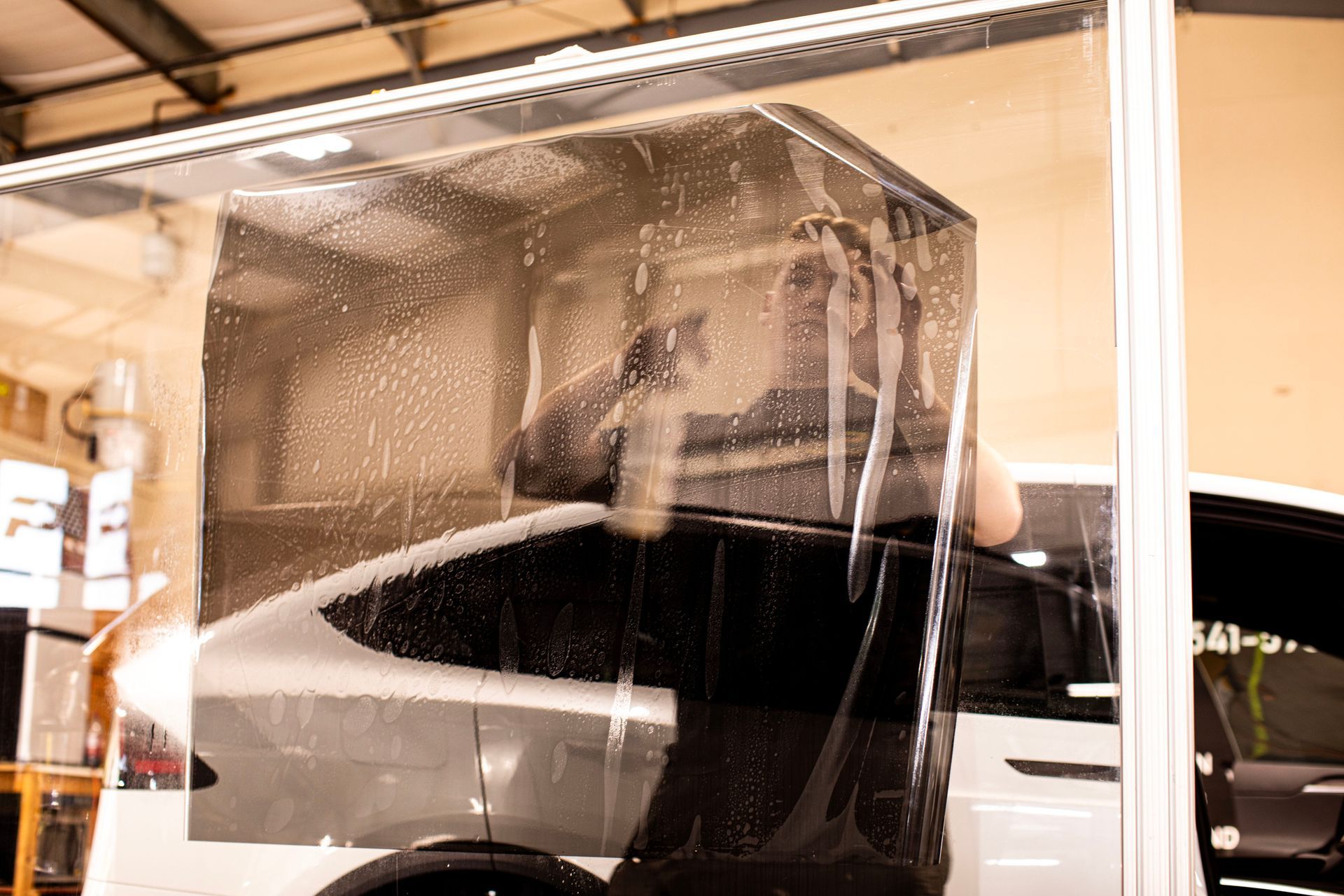
High-quality window tints are engineered to block harmful ultraviolet rays. Prolonged exposure to UVA and UVB rays accelerates skin aging and increases the risk of skin cancer, especially for drivers who spend many hours on the road. By filtering out these rays, tinted windows act as a protective shield that keeps your skin safer during daily commutes or long drives. The benefits don't stop there. The intense sunlight pouring through untinted windows gradually damages the interior finish of your car. Dashboards fade, leather cracks, fabrics weaken, and colors dull. With proper tinting, however, this process slows dramatically. It filters out damaging radiation before it can harm dashboards, seats, carpets, and door panels. This means a more pleasant driving environment and better resale value for your vehicle.
It's worth noting that the UV-blocking capability is largely independent of the darkness of the tint. You don't necessarily have to go with extremely dark shades to get top-tier UV protection. Rather, this depends on the chemical composition of the tint film itself. This means you can select a tint that balances clear visibility with effective sun defense. For best results, opt for high-grade ceramic or multi-layered films known for superior UV and infrared rejection while maintaining optical clarity. Regularly clean windows gently with approved products to preserve the protective layer.
Choosing the Right Tint
Selecting the perfect window tint requires a thoughtful balance between legal limits, practical benefits, and your specific driving conditions. Different tint shades offer varying levels of VLT, which controls how much light passes through your windows. For instance, 35% VLT tints are popular in bright regions because they reduce glare significantly while maintaining legal visibility standards. Consulting a professional installer becomes invaluable. A seasoned tint expert understands not only state regulations but also the nuances of different tint technologies. Such advanced materials deliver superior glare reduction while preserving crisp visibility during dawn, dusk, or nighttime drives. Consider your typical routes and times on the road. If you deal with sun glare during short commutes primarily at sunrise or sunset, a lighter ceramic tint with excellent anti-glare properties might be enough.
Long-distance drivers, who spend hours behind the wheel facing various lighting conditions, often find that investing in mid-range to darker high-quality film pays off in comfort and safety. When deciding on a specific product or shade, always balance glare reduction with clarity of vision, especially when driving at night. Extremely dark tints might block sunlight brilliantly but risk impairing visibility under low light and may attract legal issues. Professional advice ensures you get a film that performs well without compromising safety or compliance.
Top-Tier Window Tinting Services in Bend, OR
Perfection Plus Auto Salon provides
top window tinting services in Bend, OR designed to make driving easier in bright and high-glare conditions. By installing high-performance tint films, their team helps drivers maintain clear vision while reducing eye strain and interior heat. The result is improved comfort, better focus, and a vehicle that feels more enjoyable to drive year-round.
Schedule a consultation to explore window tint options tailored to your needs!
Perfection Plus Auto Salon - Blog