Safe Car Wash Practices for Vehicles with Protective Film: Top Tips for Care
April 29, 2026
If you’ve invested in paint protection film (PPF) for your vehicle, you’re already taking a significant step in preserving its pristine look and protecting it from road debris, scratches, and other environmental contaminants. PPF is a durable, self-healing layer that offers excellent protection, but to keep it working effectively, proper care is essential. While it’s tempting to wash your vehicle like any other, improper washing techniques can damage the film and reduce its effectiveness.
This guide will walk you through the best practices to keep your vehicle’s protective film in top condition, ensuring it continues to safeguard your investment for years.
Safe Car Wash Practices for Vehicles with Protective Film
When washing a vehicle with PPF, using the right techniques and tools is crucial. PPF is designed to protect the paint from chips, scratches, and UV damage, but improper washing can cause scratches, edge lifting, or even permanent damage to the film. To avoid these issues, follow these best practices:
- Use a pH-balanced car soap formulated for PPF: Standard car soaps often contain chemicals that can strip away the self-healing properties of the film. A pH-balanced soap will ensure the film stays intact and continues to provide protection over time.
- Wash by hand using soft microfiber mitts: These mitts are gentle on the surface and lift dirt and debris safely without causing scratches. Avoid using abrasive brushes, which can damage the surface of the film.
- Avoid high-pressure jets and automated car washes with harsh brushes: These can cause the edges of the PPF to lift or create scratches on the surface. If you do use an automated wash, opt for a touchless system that doesn’t directly make contact with the film.
- Use the two-bucket method: One bucket for soapy water and the other for rinsing your mitt. This reduces the chance of reintroducing dirt back onto the vehicle’s surface and minimizes the risk of micro-scratches.
- Dry your vehicle gently with microfiber towels: Use soft towels to blot and dry the surface gently. Avoid dragging the towel across the film, as this can create fine scratches over time.
By following these steps, you’ll preserve the protective properties of the film while maintaining your vehicle’s sleek appearance.
Choosing the Right Cleaners
Selecting the right cleaner for your vehicle’s protective film is essential. Many household cleaning products are too harsh and can degrade the film, resulting in fading, cloudiness, or even peeling over time. Here’s a simple breakdown of what to look for in a cleaner:
| Do | Don’t |
|---|---|
| Use pH-balanced, gentle cleaners | Avoid harsh household dish soaps or cleaners |
| Choose microfiber mitts and towels | Do not use abrasive sponges or towels |
| Use automotive-specific products | Avoid cleaners with ammonia or solvents |
The key is to use products that are specifically designed for PPF or automotive finishes. These products clean effectively without harming the film’s surface, like pH-neutral car cleaning products are safe for use on PPF.
If you're interested in adding paint protection film to your vehicle or replacing an existing one, explore our professional paint protection film installation services to ensure long-lasting protection.
Proper Washing Techniques
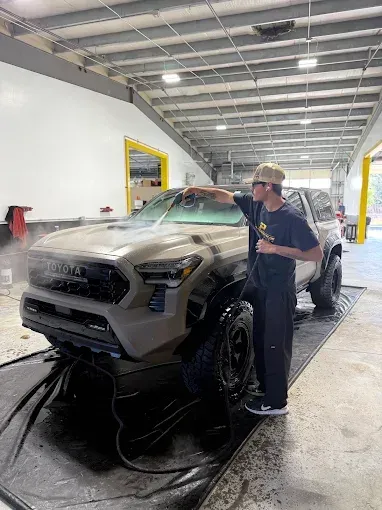
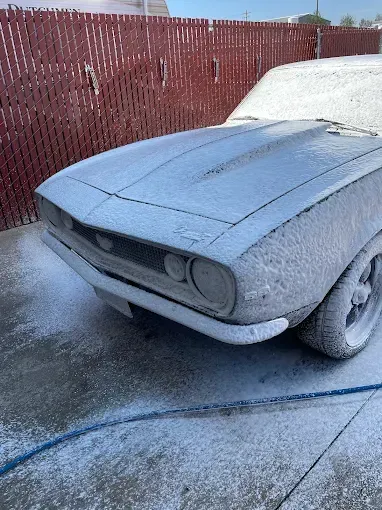
The way you wash your vehicle matters. Certain techniques are especially important when it comes to maintaining the longevity and integrity of your PPF. Here are a few essential tips:
- Start from the top: Wash the upper sections of your vehicle first, working your way down. The top of your car is usually less dirty, and this technique prevents dirt from being dragged onto the cleaner sections of your vehicle.
- Use straight-line motions: Rather than scrubbing in circles, which can cause swirl marks, wash in straight lines. This method helps maintain the smooth, glossy finish of the protective film and reduces the risk of micro-scratches.
- Be mindful of water temperature: Lukewarm water, between 86°F and 104°F (30°C to 40°C), is ideal for washing. Too hot or too cold water can cause stress on the film, leading to premature lifting or cracking.
- Thoroughly rinse and dry: After washing, make sure to rinse all soap off your vehicle. Leftover soap can cause streaks or attract dirt. Then, dry the vehicle with clean, soft microfiber towels, gently blotting to avoid dragging dirt across the surface.
Proper care is essential to maximize the longevity of your paint protection film. By following best practices and using the right tools, you can maintain your vehicle’s protection and keep it looking new. To understand why investing in PPF is one of the smartest decisions you can make for your vehicle’s future, check out our detailed PPF Benefits Blog.
Avoiding Harsh Chemicals
One of the most common mistakes car owners make when caring for PPF is using harsh chemicals or household soaps. These products can break down the protective layer of the film, causing it to fade, discolor, or even peel over time.
Avoid using products that contain ammonia, solvents, or petroleum distillates, as they can weaken the adhesive that holds the film in place. Over time, these chemicals cause the film to lose its protective properties, leaving it more vulnerable to damage from road debris, rocks, and other environmental contaminants.
Instead, opt for pH-neutral, automotive-specific cleaning products. These products are formulated to be gentle on your vehicle’s protective film while effectively removing dirt and grime. Additionally, using environmentally friendly cleaning products helps reduce harmful chemical runoff and pollution. For more tips on sustainable vehicle maintenance, check out the EPA’s Vehicle Maintenance Guide.
Choosing the Right Equipment
Using the correct tools during the car washing process is just as important as choosing the right cleaning products. Certain tools can help minimize the risk of damage while ensuring the cleaning process is effective. Here’s a look at the equipment you’ll need:
- Microfiber mitts are essential for safely lifting dirt and debris from the surface without scratching the film.
- A grit guard is a simple yet effective tool that sits at the bottom of your wash bucket, trapping dirt and debris so it doesn’t reintroduce contaminants back onto your mitt or vehicle.
- A foam cannon helps apply a thick layer of foam across the surface, loosening dirt without harsh scrubbing. This reduces the chances of scratching the protective film.
- Microfiber drying towels are essential for drying the vehicle without leaving streaks or scratches. These towels absorb moisture quickly and gently, preserving the integrity of your PPF.
Having the right equipment will help ensure that your car receives the care it deserves, keeping your PPF intact and your vehicle protected.
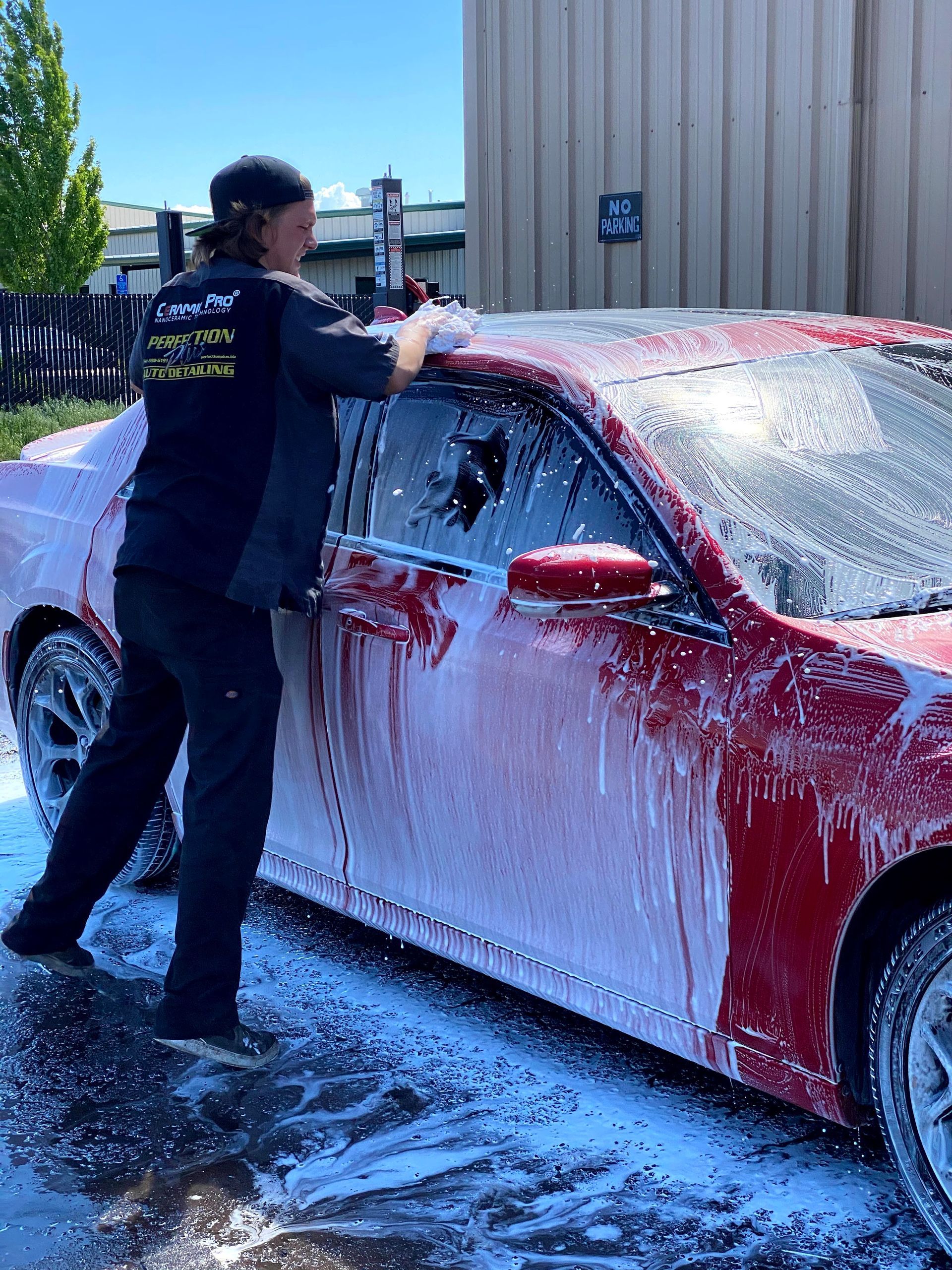
Ensure the Longevity of Your Vehicle's Protection with Professional Care
At Perfection Plus Auto Salon, we specialize in providing expert care and maintenance for vehicles with protective film. Whether you need a professional wash, a ceramic coating, or touch-ups on your PPF, we have the knowledge and expertise to ensure your vehicle remains in pristine condition.
Contact us today at (541) 598-6193 or fill out our online form for a free quote and to schedule your service.
Don’t risk damaging your vehicle’s protective film. Trust the professionals at Perfection Plus Auto Salon to maintain your car’s shine and protection for years to come.
Frequently Asked Questions
What car wash methods are safe for vehicles with protective film?
Hand washing with a microfiber mitt and using touchless automatic car washes are ideal methods. These help minimize abrasion and maintain the integrity of the film.
How often should I wash my vehicle with protective film?
It’s recommended to wash your vehicle every 1-2 weeks. This helps remove contaminants before they can damage the film while avoiding over-washing that could weaken it.
Should automatic car washes be avoided for cars with protective film?
Yes, automatic car washes with brushes should be avoided. These can cause scratches or lift the edges of the film, compromising its effectiveness.
What cleaning products are recommended for vehicles with protective film?
Use pH-neutral, non-abrasive cleaners specifically designed for automotive finishes. Avoid products with ammonia or strong solvents that can damage the film.
Can pressure washers damage protective film?
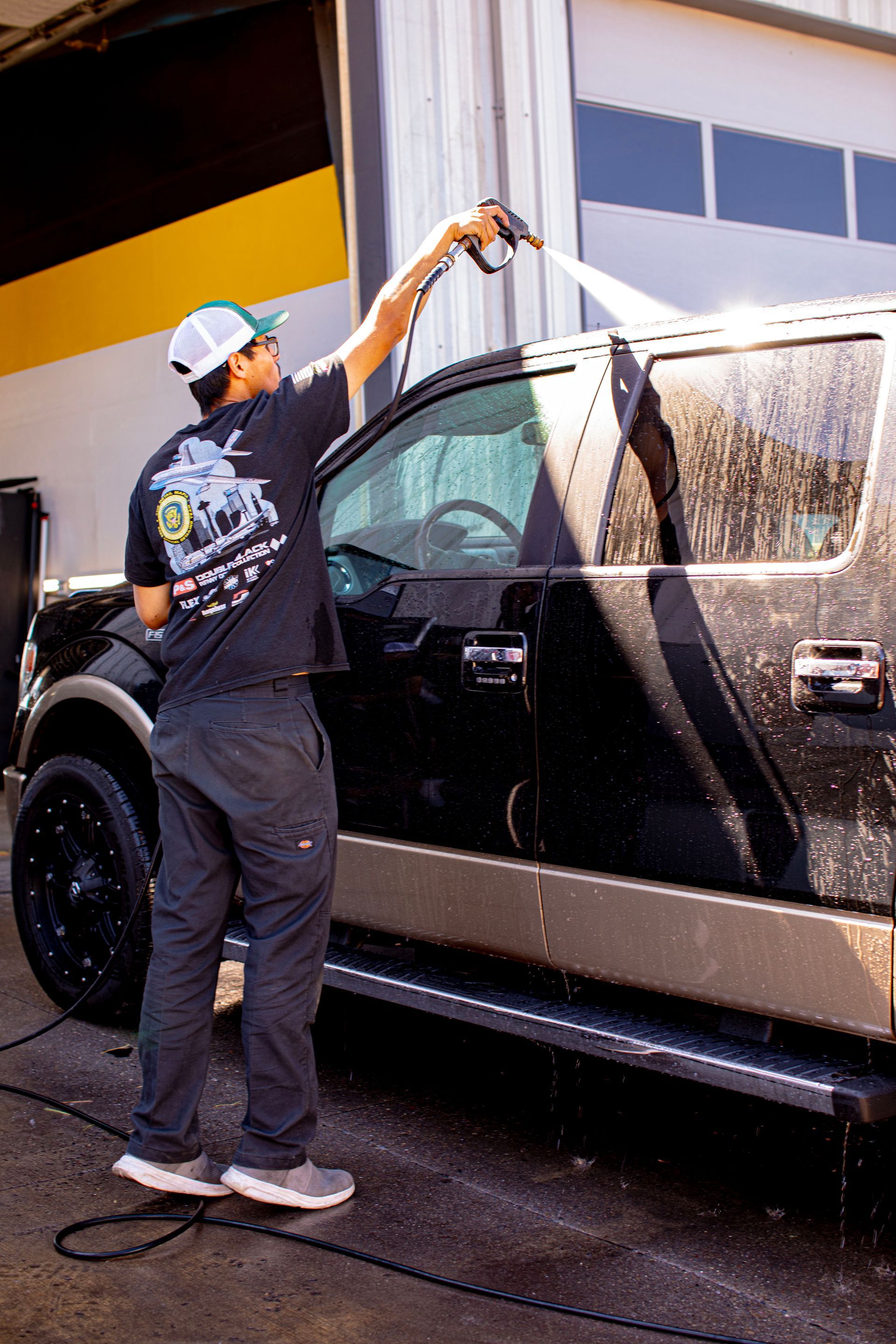
Pressure washers can damage the film if used improperly. High PSI or direct spray can lift edges or cause micro-tears in the film. Always use moderate pressure and keep the nozzle at least a foot away from the surface.
Perfection Plus Auto Salon - Blog