How PPF Protects Headlights and Front Lighting
November 2, 2026
Most drivers never think about their headlights until the lenses turn cloudy and the road ahead starts to dim. By then, restoration or replacement is the only fix, and nighttime visibility has already suffered. Paint protection film offers a way to stop that slow fade before it starts. A nearly invisible layer sits over each lens, taking the rock chips, UV, and everyday abrasion that would otherwise wear the headlight down, so the lens underneath stays clear for years. Here is how it works on headlights, where its limits are, and why clear lenses matter for more than looks.
How PPF Shields Your Headlights
Paint protection film is a thin, clear urethane layer engineered to absorb impact energy and spread it across its surface rather than letting a hit concentrate on one spot. When a pebble kicks up off the highway, the film catches it: the stone leaves a tiny mark in the film, and the headlight beneath stays untouched. Over tens of thousands of miles, that difference adds up to either clear lenses or a hazy, oxidized mess.
Modern automotive film also has a self-healing top coat, so light scratches and swirl marks in the surface can disappear when warmed by sunlight or a heat gun during maintenance. Because the film recovers from everyday surface wear, it stays clear and lasts longer than a static layer would. And when it is fitted properly, it sits so flush against the lens that it is virtually undetectable from normal viewing distance: no orange-peel texture, no visible seam. Your headlights look exactly the same, just protected.
Protecting Against UV and Road Debris
Headlights face two threats, and the film helps with both.
The obvious one is physical impact. Gravel, sand, insect residue, and the occasional larger stone all strike the front of your vehicle at speed. Each hit can leave a micro-fracture or chip in the lens, and those become anchor points for oxidation that accelerates yellowing from the surface inward. The film intercepts those impacts so the lens keeps its integrity. It will not stop a direct hit from a large rock, no product can promise that, but it dramatically reduces the everyday surface damage that dulls a lens over time.
The less obvious threat is ultraviolet light, which works on your headlights every day the car sits outside. Headlight lenses are a plastic polymer, and UV gradually breaks down that material, leaving the familiar milky yellow haze that scatters the beam and cuts how much usable light reaches the road. Quality film carries a UV-inhibiting top coat that blocks the wavelengths driving that breakdown, acting as continuous sun protection for your lenses no matter how long the car sits out. Wax and sealants can offer brief help with water spotting, but they do not filter UV the way a dedicated film does.
Benefits and Limits
No product is magic, and knowing the boundaries keeps you from being disappointed.
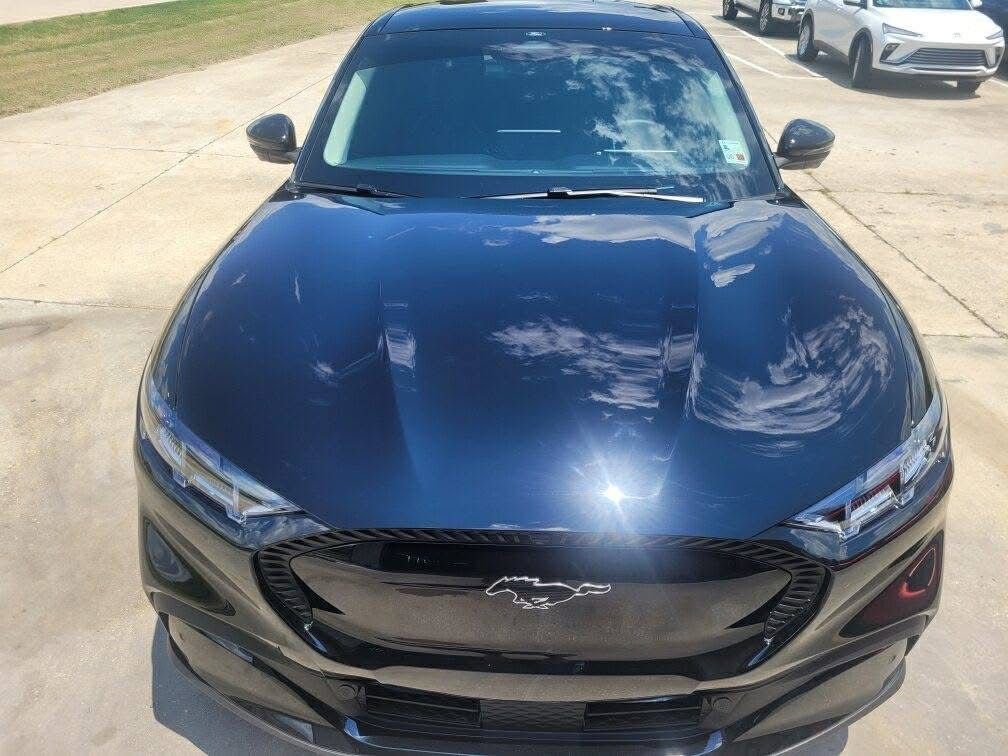
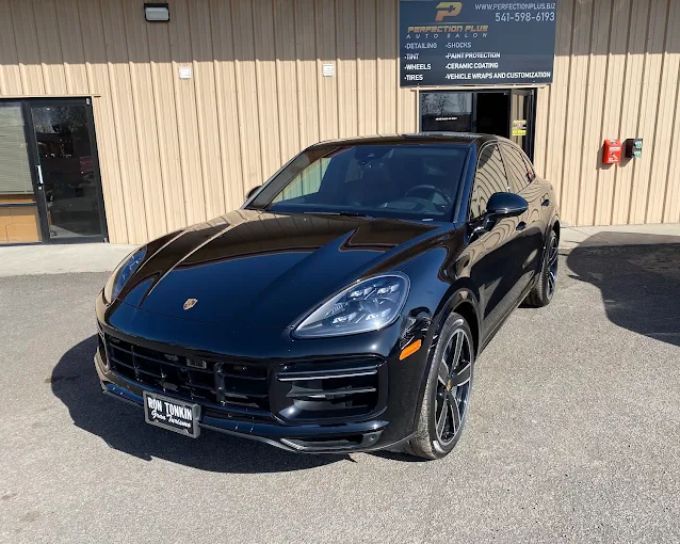
The upside is real: the film preserves optical clarity so your beam pattern and nighttime visibility stay sharp, it prevents the yellowing that makes a newer car look far older, and it absorbs the scratches and chips that would otherwise call for polishing or a full lens restoration. Many films also carry a manufacturer warranty against yellowing and fading, giving you a defined window of protection.
The limits are just as real. Film does not make a lens indestructible; a hard enough impact can still crack the lens beneath it. It reduces how often and how badly your lenses get damaged, but it does not eliminate risk. Films also vary, so self-healing, UV resistance, and durability differ from one product to the next. And for some vehicles, especially trucks or off-road rigs whose headlights sit deep behind grille geometry and mostly see low-speed paved driving, the exposure is low enough that a quality ceramic coating on the lenses may be protection enough. The value of film is highest where exposure is highest.
Fitment and Installation on Curved Lenses
Headlights are where fitment gets tricky, because a lens is a compound curve, not a flat panel, and the film has to conform to it cleanly without creases, lifted edges, or visible seams. That is also where do-it-yourself attempts tend to struggle. Not every film is pre-cut for every make and model, and a mismatch of even a few millimeters can leave an edge exposed or an overlap line showing, so the first step is confirming a template exists for your exact year, trim, and headlight shape.
Professional installation is a precision process. The technician decontaminates the lens so the adhesive bonds properly, wet-applies and positions the film, then squeegees out trapped air and moisture and tucks or wraps the edges to match the lens contour. Prep varies with the vehicle: a brand-new car needs very little, while an older daily driver may need a light polish or minor lens restoration first so the surface is smooth enough for the film to bond. The environment matters too, since dust, humidity, and temperature all affect adhesion, which is why a controlled studio produces cleaner, longer-lasting edges than a driveway on a windy afternoon.
One thing worth confirming in writing: dealer-installed film on a new car often stops at the hood line and does not include the headlights, which catches some owners off guard. Always check exactly which surfaces are covered before you drive off. If you are weighing how far to extend protection, it helps to understand the different PPF coverage levels and where headlights fit into them.
Care, Wear, and When to Replace
Once the film is on, upkeep is simple but not zero. Wash gently with a pH-neutral automotive soap and a soft microfiber cloth, and avoid aiming a pressure washer straight at the film’s edges, since concentrated jets can work under the adhesive and start a peel. You do not need to baby the film, just respect its boundaries.
Heat is worth a thought too. Modern LED headlights run cooler than older bulbs, and quality film is rated for normal operating temperatures, but a poorly sealed edge can break down faster under repeated heat cycling. That is one more reason a properly sealed, professional edge outlasts a hand-trimmed one.
Over years of service the film accumulates its own wear. The self-healing coat handles light scratches, but heavier abrasion from gravel or stiff car-wash brushes eventually leaves permanent marks. When clarity drops or edges start to lift, the fix is simple: peel the old film, clean the lens, which should look pristine underneath, and apply fresh material. The headlight never needed restoration because the film absorbed everything.
Choosing PPF for Your Front Lighting
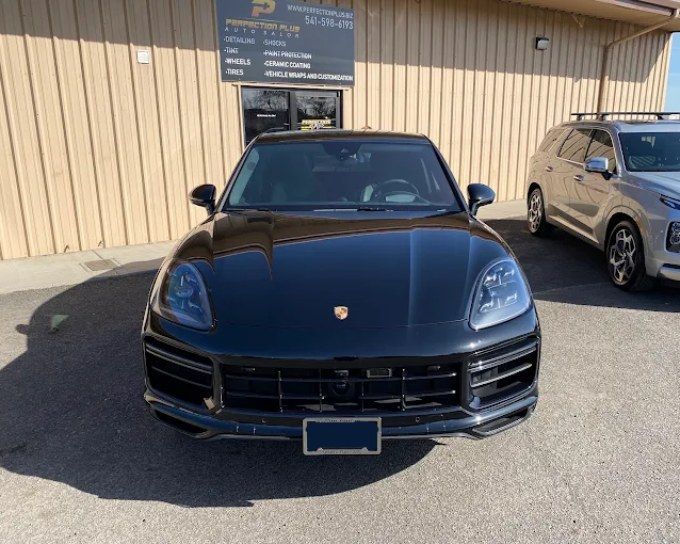
The practical question is whether headlight film fits your vehicle and how you drive. If you park outdoors, run highways or gravel roads, or live with intense sun and wide temperature swings, it leans strongly toward yes. UV exposure is relentless in Central Oregon, where summer sun bakes parked cars for much of the day, and the film’s UV layer works continuously whether you think about it or not. Paired with the physical shield against chips, the longevity benefit is significant, and the upfront cost is modest next to a later headlight restoration or lens replacement.
If your car lives in a garage, sees mostly low-speed city driving, and its lights sit deep behind a grille, the urgency drops, and a quality ceramic coating on the lenses may serve you well. For maximum protection, a layered approach works best: film first as the impact and UV barrier, then a ceramic coating on top for slickness and chemical resistance. The two complement each other and keep lenses looking new for years. Either way, your headlights are a safety component worth protecting before damage appears, not just a styling detail.
Protect Your Investment with Perfection Plus Auto Salon
Clear headlights are a safety feature, and protecting them before they haze over is far cheaper than restoring them after. At Perfection Plus Auto Salon in Redmond, OR, our IDA-certified team brings more than 25 years of experience in automotive protection, fitting headlight film with the careful prep, precise edges, and controlled conditions that make it last, with the option to layer a ceramic coating on top. We serve drivers across Redmond, Bend, Culver, and Madras, including those looking into paint protection film in Culver, OR.
If you want to keep your front lighting clear for the long haul, call
(541) 598-6193 or
schedule a consultation and experience the Perfection Plus Auto Salon difference for yourself.
Frequently Asked Questions
How does PPF protect headlights from road debris?
The clear film absorbs and spreads the force of small stones, sand, and grit, helping prevent the chips and scratches that lead to hazing. It is a shield, not a force field, so a severe impact can still crack a lens.
Can PPF keep headlights from yellowing or clouding?
Quality film with a UV-resistant layer slows the sun-driven yellowing and oxidation that cloud a lens, helping it stay clear. The film itself wears over time, so it is not a permanent fix, but it is replaceable.
Does headlight film affect brightness or visibility?
Properly fitted clear film is designed to be nearly invisible and preserve the beam pattern. Damaged, hazy, or poorly installed film can reduce clarity, which is why fitment and timely replacement matter.
How long does headlight PPF last, and how do I care for it?
It depends on the film, exposure, and installation, and some products carry warranties of up to several years. Wash gently with a pH-neutral soap and keep a pressure washer away from the film’s edges.
Is headlight PPF worth it for every vehicle?
It is most valuable for cars exposed to strong sun, highway speeds, or gravel. Confirm a film template fits your exact model, and note that garage-kept lenses behind a deep grille may need less protection.
Perfection Plus Auto Salon - Blog