Full Windshield Tint: What Drivers Should Know
November 9, 2026
The windshield is the largest piece of glass on your vehicle and the one you look through every second you drive, so it is no surprise that drivers wanting to cut heat and glare eventually ask about tinting it. A full windshield treatment is a different job from the film on your side windows, and in Oregon what you can legally do to that glass is specific and worth understanding before you book anything. Here is how windshield film works, what it offers, how Oregon’s rules shape your options, and what to expect from a proper installation. If you are new to tint darkness in general, it helps to start with how to choose the right tint darkness.
How Windshield Film Differs from Side-Window Film
Side-window film and windshield film are not the same task. Your side windows sit beside you; the windshield sits directly in your line of sight, which makes clarity and light transmission far more safety-critical. It is also the biggest and most steeply curved piece of glass on the car, so film has to be heat-formed to conform to a compound curve without creases or distortion. And on modern vehicles, the windshield is crowded with technology: rain sensors, automatic-headlight sensors, and the cameras that run lane-keeping and forward-collision systems all look out through it. All of that makes a windshield a specialized surface, not just a bigger side window.
What a Windshield Treatment Offers
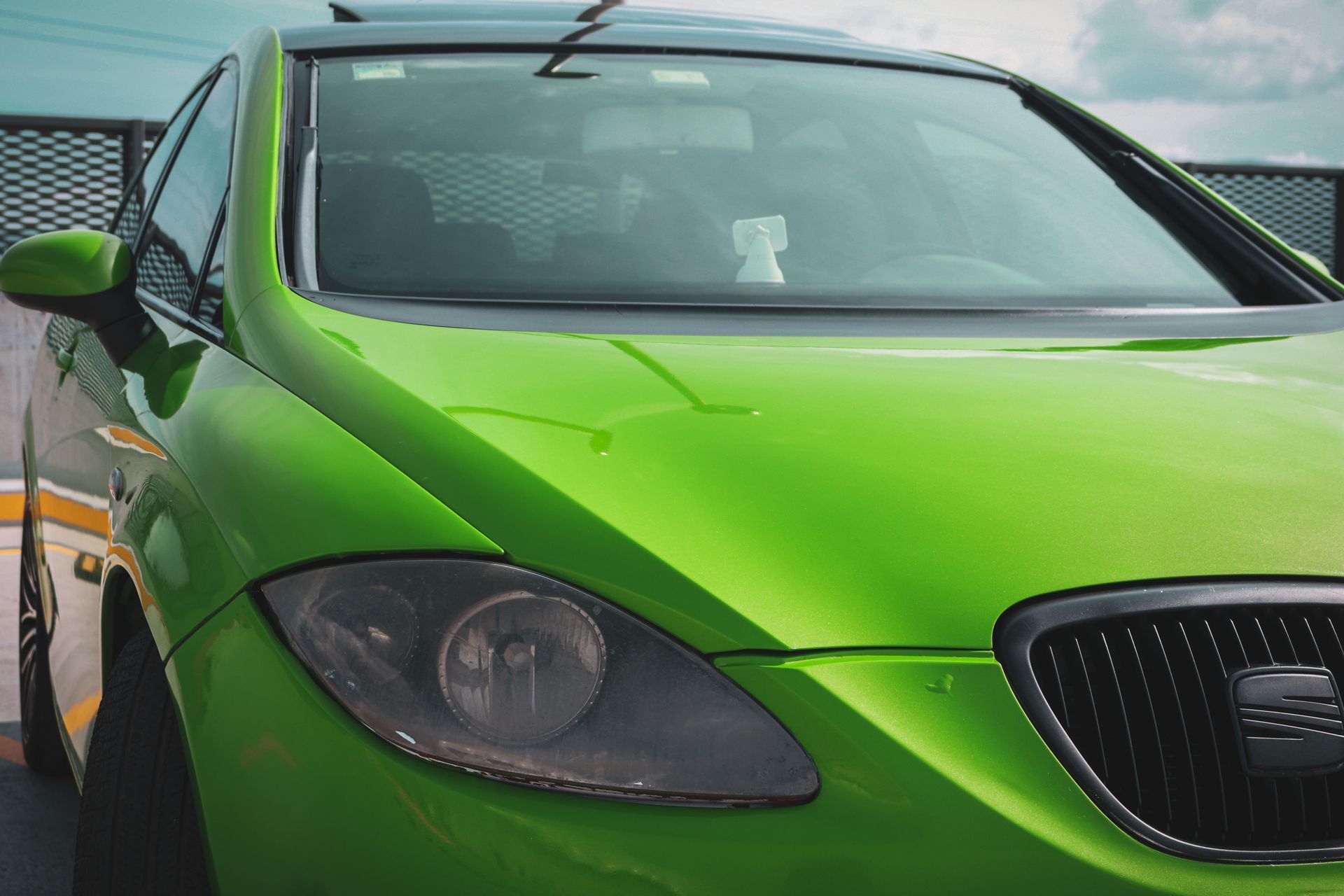
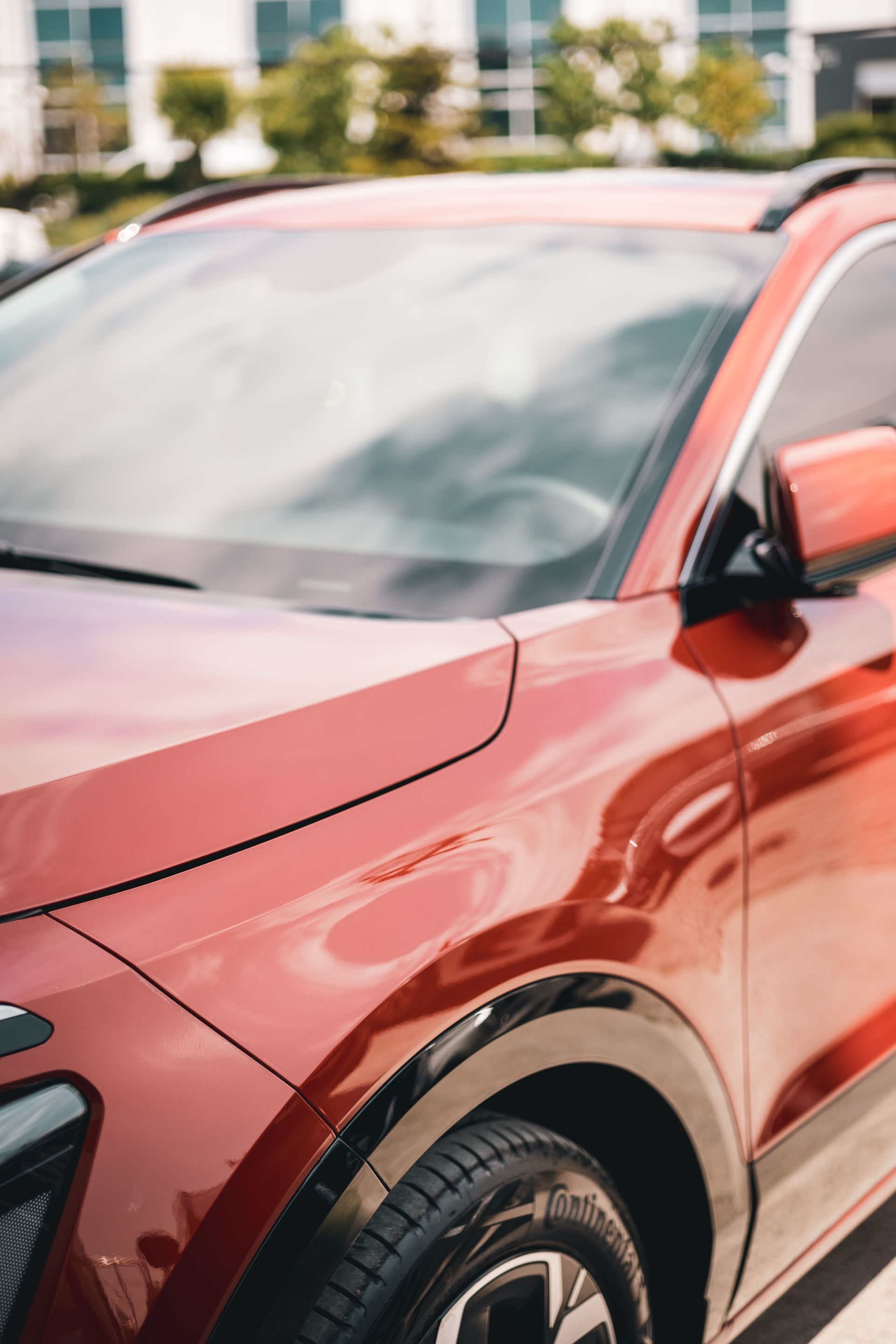
The appeal is real. The windshield lets in a large share of the sun’s heat and light, so treating that full surface can noticeably reduce the heat that builds on your dashboard and steering wheel, cut the glare from low-angle sun and oncoming headlights, and block the ultraviolet rays that age your skin and fade your interior. Spread across the largest glass on the vehicle, those benefits add up to a cooler, more comfortable, easier-on-the-eyes drive. The catch is that this same glass is the one the law protects most carefully, which is where Oregon’s rules come in.
What Oregon Allows on the Windshield
Here is the part that surprises people: a dark, light-reducing tint across the full windshield is not legal in Oregon, no matter how good it looks. Under Oregon’s window-tint law (ORS 815.221), the windshield may carry non-reflective tint only on the top strip, roughly the top six inches or above the AS-1 line, and the rest of the windshield must stay free of added tint film. A few related rules matter too:
- Reflectivity is capped. Film on any window may be no more than 13% reflective, so mirror-like and heavily metallic films are out.
- Some colors are banned. Red, gold, yellow, amber, and black tint films are not legal on any window.
- Spray-on tint is prohibited on every window, the windshield included.
- Medical exemptions allow darker tint on the side windows for qualifying drivers, but they do not extend to the windshield.
So the dark “full windshield tint” some drivers picture is not a legal option on an Oregon-registered vehicle. What drivers can do is pair that permitted top strip, which is genuinely useful for knocking down overhead glare, with a near-clear, high-performance film that rejects heat and UV while keeping the glass looking essentially clear. Because Oregon’s rules turn on how much visible light a film lets through and how reflective it is, whether a near-clear film can cover the full windshield depends on it keeping visible light high and staying non-reflective. That is exactly why this is a job for a certified installer who measures the finished result and keeps your vehicle compliant, rather than a guess. Always confirm the current rules with the state or a certified installer before committing.
Why Professional Installation Matters
Empty heading
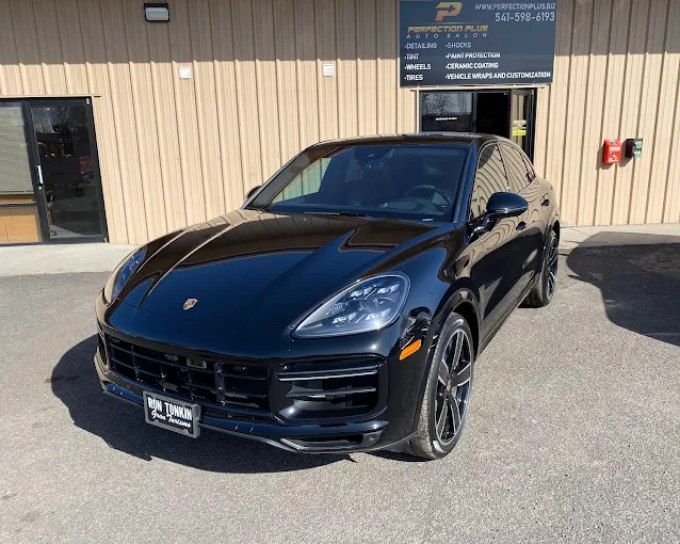
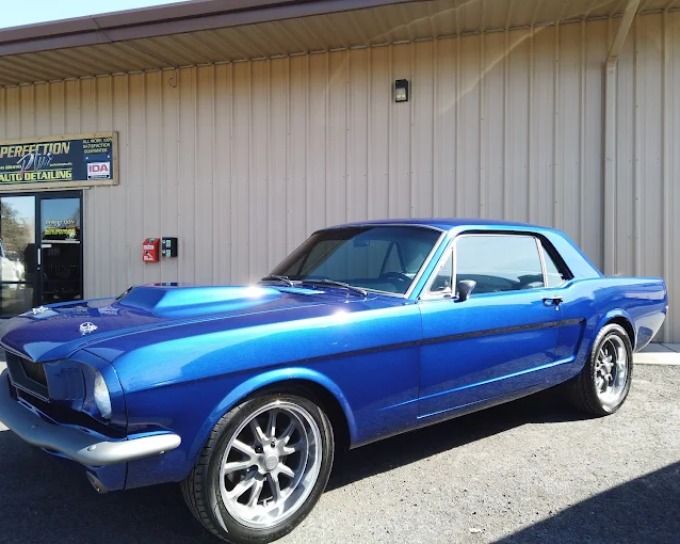
Even setting the law aside, the windshield is the least forgiving glass to film. Its compound curve has to be heat-formed so the film lays down flat and optically clear, with no bubbles, haze, or distortion sitting directly in your field of view. Any trapped dust or moisture becomes a permanent defect you will stare at every drive, so the glass has to be cleaned meticulously and the work done in a controlled environment rather than a dusty driveway.
Then there are the sensors and cameras. A professional knows where your rain sensor, headlight sensor, and driver-assistance cameras sit, and works around them so the film does not scatter the signals those systems rely on or distort what a camera sees. Reflective or poorly placed film can interfere with that technology and even cause a failed inspection. Finally, the edges have to be sealed cleanly so the film does not start lifting at the corners months later. A certified installer also measures visible light transmission on your specific glass, so what goes on is both high-performing and within Oregon law.
What to Expect From the Process
A good installation starts with a conversation, not a sheet of film. An installer should ask how and where you drive, explain what Oregon permits on your windshield, and recommend the combination of a legal top strip and a near-clear heat and UV film that fits your goals. They will share the film’s specs, its visible light transmission, UV and heat rejection, and reflectivity, and confirm compliance before anything touches the glass. The work itself is meticulous and takes time, because clarity across that much curved glass cannot be rushed. Done right, the result is a windshield that looks clear, stays within the law, and makes summer driving measurably more comfortable. For drivers researching auto window tinting in Madras, OR, and across Central Oregon, that expert guidance is what keeps a windshield treatment both effective and street-legal.
Protect Your Comfort with Perfection Plus Auto Salon
A windshield treatment can transform how comfortable your car feels in the sun, as long as it is done right and done legally. At Perfection Plus Auto Salon in Redmond, OR, our IDA-certified team brings more than 25 years of experience in automotive protection, matching you with film that cuts heat, glare, and UV while keeping your windshield clear and compliant with Oregon law. We serve drivers across Redmond, Bend, Culver, and Madras.
If you are considering windshield film, call
(541) 598-6193 or
schedule a consultation, and we will walk you through your options so you can experience the Perfection Plus Auto Salon difference for yourself.
Frequently Asked Questions
Can I tint my whole windshield in Oregon?
No. Oregon allows non-reflective tint only on the top strip of the windshield, about the top six inches or above the AS-1 line, and the rest must stay free of added tint film. A dark, light-reducing film across the full windshield is not legal.
How is windshield film different from side-window tint?
The windshield is bigger, more curved, and sits directly in your line of sight, so clarity and light transmission matter far more. It also has sensors and cameras behind it, so film choice and placement must protect both visibility and those systems.
Can I get heat and UV protection without darkening my windshield?
Yes. Near-clear, high-performance films can reject heat and block most UV while keeping the glass looking clear. Because Oregon’s rules depend on light transmission and reflectivity, have a certified installer confirm what is permitted for your vehicle.
Will windshield film interfere with my car’s cameras or sensors?
It can, if the wrong film is used or it is placed over sensor and camera zones. A professional selects compatible, non-reflective film and works around those areas to keep your driver-assistance systems working.
Perfection Plus Auto Salon - Blog