How PPF Protects Fresh Paint From Premature Wear and Keeps It Looking New
July 6, 2026
You just had your vehicle repainted, or you're driving a new car off the lot with a flawless factory finish. It looks perfect. What most people don't realize is that fresh paint is actually at its most vulnerable right now.
Automotive paint goes through a curing process that takes time, often weeks and in some cases months after application. Applying Paint Protection Film installation as soon as that curing window closes isn't just a good idea. It's one of the most effective steps you can take to preserve your vehicle's finish for the long term.
Why Fresh Paint Is Especially Vulnerable
Fresh paint is softer and more reactive than fully cured paint. During the curing period, the surface scratches and mars more easily, and it's more porous. Environmental contaminants like tree sap, bird droppings, and road oils can etch into it more aggressively than they would once the finish has fully hardened.
UV exposure compounds the risk. Paint that hasn't fully cured is more susceptible to the fading and oxidation that sunlight causes over time. In Central Oregon's high-desert climate, where clear sunny days are the norm year-round, that exposure adds up fast.
Layer in the everyday road hazards every vehicle faces: gravel on highways, debris on rural roads, and the constant micro-abrasion of driving. Fresh paint is taking hits it's not yet fully equipped to handle.
PPF addresses all of these vulnerabilities directly. Applying it early means your paint is protected through its most fragile stage.
What PPF Does During the Critical Early Period
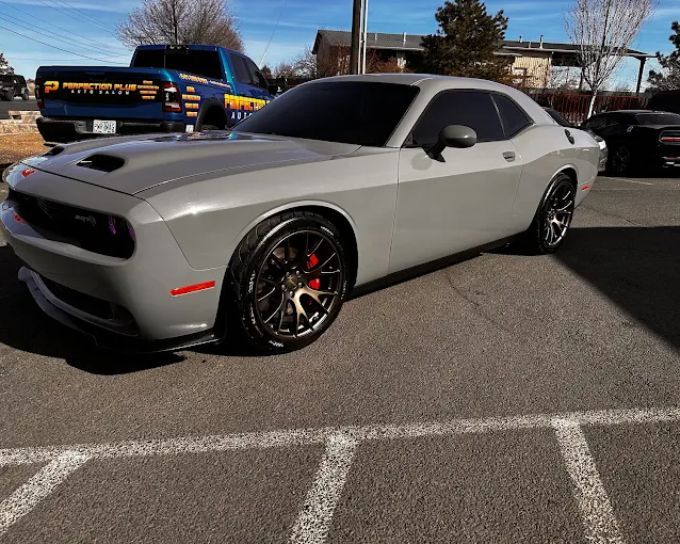
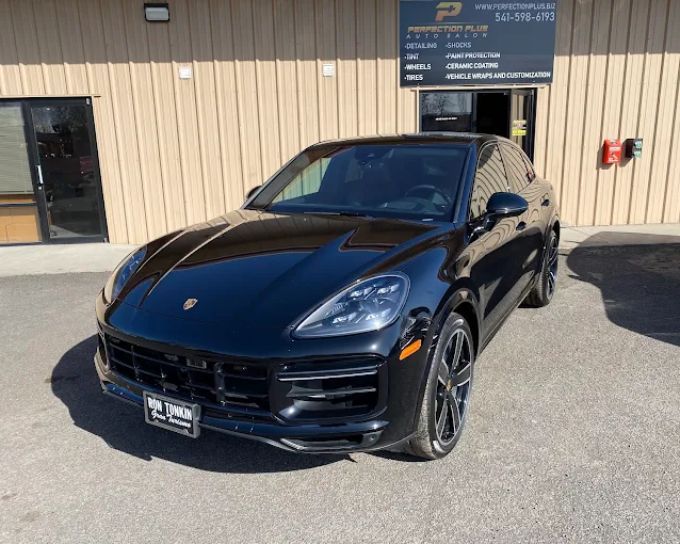
Paint Protection Film, also known as clear bra, is a clear, durable thermoplastic urethane film applied to a vehicle’s painted surfaces. It acts as a physical barrier between the paint and the outside environment, absorbing impacts, repelling contaminants, and blocking UV rays before they can reach and damage the surface beneath.
For freshly painted vehicles, four properties make PPF especially valuable:
Physical Impact Defense
PPF absorbs and disperses the energy from rock chips and road debris, preventing damage from reaching the paint. Protecting the surface during the curing window means your finish arrives at full hardness without a mark on it.
Contaminant Resistance
PPF's hydrophobic surface causes water, dirt, bird droppings, and road chemicals to bead up and roll off rather than bonding with the paint. For a surface that is still curing and chemically active, this barrier is critical.
UV Protection
Premium PPF incorporates UV inhibitors that block harmful rays from reaching your paint. This helps ensure the finish cures with its full color depth and gloss intact, without the premature fading that unprotected fresh paint can develop under regular sun exposure.
Self-Healing Properties
High-quality PPF films include a self-healing topcoat that allows minor scratches and swirl marks to disappear with heat exposure. Rather than small abrasions accumulating on freshly cured paint, the film handles them on its own.
Installation Considerations for Freshly Painted Vehicles
Applying PPF to a fresh paint job requires more care than a standard installation. Getting the details right is what separates a lasting result from one that fails prematurely.
Curing Time is the most critical factor. Paint that hasn't cured sufficiently before film installation can trap solvents beneath the surface, leading to adhesion problems, bubbling, or discoloration over time. The right waiting period depends on the paint system used and the conditions since application. At Perfection Plus Auto Salon, we coordinate directly with our clients and, when needed, with the body shop to confirm the paint is genuinely ready before we begin.
Surface Preparation is equally important. Any contamination or imperfection present when the film goes on will be sealed in permanently. Our process includes thorough decontamination and a full surface inspection before installation. Any minor defects such as swirl marks or light scratches from the shop or transport are corrected first. Once the film is down, what's underneath stays underneath.
Post-Installation Care matters too. After PPF is applied, the film needs time to fully bond to the vehicle's surface. During this period, the vehicle should stay dry and avoid pressure washing. We provide clear aftercare instructions with every installation so you know exactly how to protect your investment in the days that follow.
When to Apply PPF: Timing It Right
The ideal time to apply PPF is as soon as the paint has fully cured, not before and not long after. Every day a freshly painted vehicle is driven without film, the paint is accumulating risk.
For new vehicles from the dealership, paint has typically cured adequately during transit and time on the lot. Many of our clients bring their vehicles in within the first week or two of ownership, before the first long highway drive and before the first stone chip.
For vehicles fresh from a body shop respray, the timeline depends on the paint system. We'll help you determine the right window and coordinate the timing to get it done correctly.
The PPF and Ceramic Coating Combination
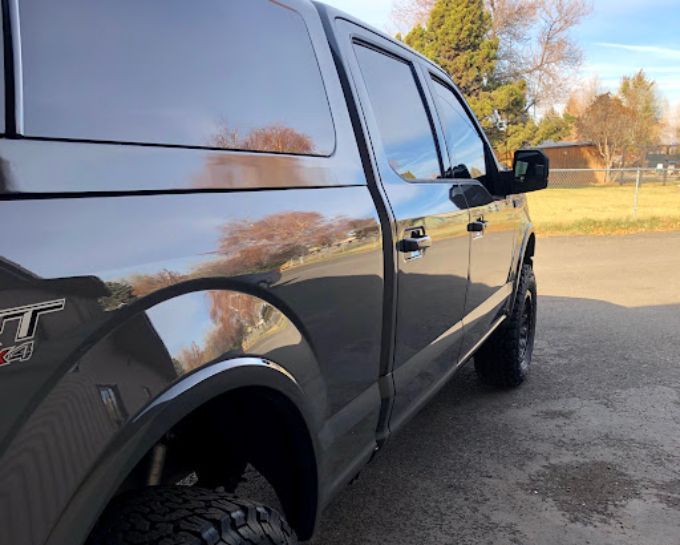
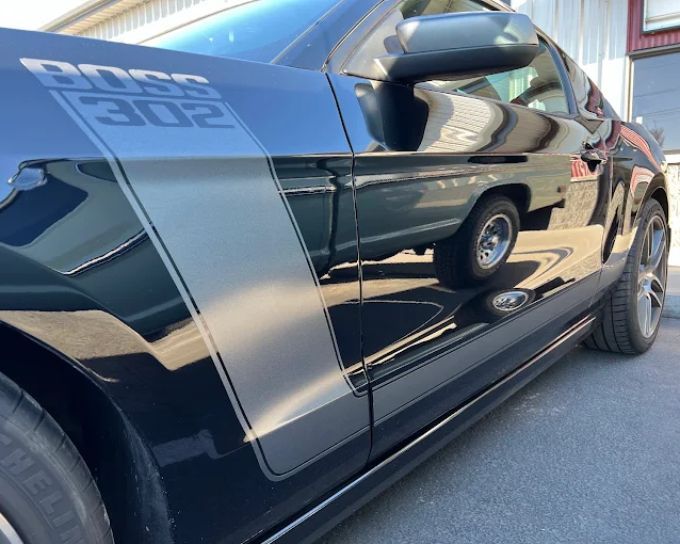
For freshly painted vehicles, pairing PPF with a ceramic coating represents the most complete approach to automotive paint protection available today. PPF handles the physical threats: chips, abrasion, and contaminants. Ceramic coating adds chemical resistance and gloss enhancement on top of the film, making day-to-day maintenance easier and giving the paint exceptional depth of shine.
Applied together shortly after a fresh paint job, this combination protects your vehicle from every angle: physical, chemical, and UV. It's an approach we regularly recommend to clients who want their finish to stay in peak condition for years to come.
Protect Your Fresh Paint Before the Road Does
A new paint job is a real investment. Whether it's a factory finish on a vehicle you just purchased or a professional respray, that fresh paint deserves protection from the moment it's road-ready.
At Perfection Plus Auto Salon, we bring over 25 years of experience in automotive protection and preservation to every vehicle we touch. We proudly serve vehicle owners throughout the region, including those searching for paint protection film in Madras, OR, and we bring the same level of care and precision to every installation. We're Central Oregon's trusted source for PPF, ceramic coating, tint, and detailing, and we're committed to getting it right from day one.
Call us at (541) 598-6193 or fill out our online form to schedule a consultation or request a free quote!
Protect your investment from the start. Experience the Perfection Plus difference.
Frequently Asked Questions
How long should I wait after a paint job before applying PPF?
The waiting period depends on the type of paint system used and the conditions during application. Waterborne paints generally cure faster than traditional solvent-based systems, but both require adequate time before film installation. Rather than guessing, we recommend reaching out to us directly. Learn more about what to expect from your PPF consultation before you book.
Will PPF change the appearance of my vehicle's paint?
No. When professionally installed, PPF is virtually invisible. It preserves the original color, gloss, and finish of your paint without altering its appearance. In many cases, the hydrophobic surface of the film actually enhances the overall look by keeping the vehicle cleaner between washes.
Can PPF be applied to a partial repaint or color-matched repair?
Yes. PPF can be applied to specific panels or sections of a vehicle, making it a practical option after a partial respray or collision repair. We'll assess the repaired area and surrounding panels to ensure consistent coverage and a seamless result.
What happens if the PPF gets damaged?
One of the advantages of PPF is that the film, not your paint, absorbs the damage. In most cases, minor surface damage is handled by the film's self-healing topcoat. For more significant damage, the affected section of film can be removed and replaced without harming the paint underneath, provided the installation was done correctly.
Does PPF require special maintenance?
Day-to-day maintenance is straightforward. Regular washing with a pH-neutral soap and a soft microfiber cloth is all that's needed to keep the film performing well. We recommend avoiding automated car washes with stiff brushes and scheduling a professional inspection periodically to catch any early signs of edge lifting or wear. We'll walk you through everything at the time of your installation.
Can I combine PPF with a ceramic coating on fresh paint?
Absolutely, and for freshly painted vehicles, it's the approach we most often recommend. PPF goes on first to provide physical protection, and ceramic coating is applied on top of the film to add chemical resistance, gloss, and easier day-to-day cleaning. Together, they offer the most complete protection available for a new or freshly repainted finish.
Perfection Plus Auto Salon - Blog