How Controlled Indoor Environments Improve Ceramic Coating Installation Quality
April 2, 2026
When car owners think about ceramic coating, the focus usually falls on the product itself. How durable is it? How glossy does it look? How well does it repel water? What rarely gets discussed, however, is something just as critical to the final result: the environment in which the coating is applied.
Temperature, humidity, airflow, and cleanliness are not just background conditions. They are active variables that directly influence how a ceramic coating bonds to your vehicle's paint, how evenly it cures, and how long it ultimately lasts. Understanding why these factors matter can help you make a more informed decision when choosing where and who to trust with your vehicle.
Why Your Car's Paint Needs the Right Environment
A vehicle's exterior paint goes through a lot. Sun exposure, rain, road contaminants, bird droppings, and temperature fluctuations all take a toll on the clear coat over time. Ceramic coating is designed to create a durable protective layer over that paint, bonding at a molecular level to shield the surface from these everyday threats.
But that bond is only as strong as the conditions under which it was formed. Car paint is a multi-layer system made up of primer, base coat, and clear coat. Each of these layers expands and contracts slightly with changes in temperature, and the surface itself is porous enough to absorb moisture if conditions are not controlled. When a ceramic coating is applied in an environment that is too hot, too cold, too humid, or too dusty, the chemical bonding process is compromised before it even has a chance to complete properly.
The result is a coating that looks acceptable on the surface but lacks the depth of adhesion needed to perform over months and years of real-world use. This is why the application environment is not a minor detail. It is the foundation on which the entire investment rests.
How Temperature Affects Proper Curing
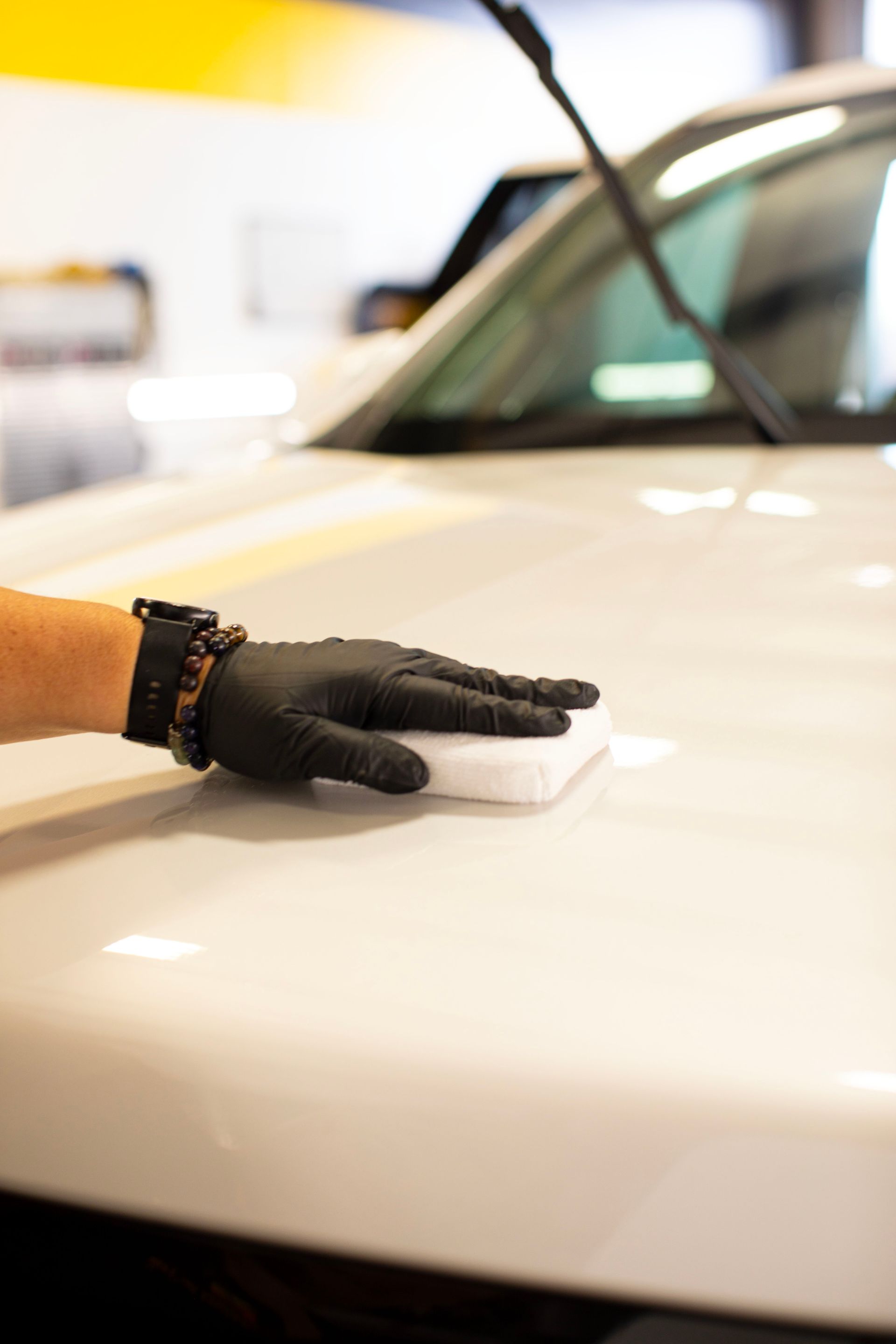
Ceramic coatings are chemistry. When applied to a vehicle's paintwork, they undergo a chemical bonding process that requires stable thermal conditions to complete correctly. The ideal application temperature generally falls between 20°C and 25°C (68°F to 77°F).
When temperatures drop below this range, the curing process slows significantly. The coating may fail to bond properly to the paint surface, leaving behind an uneven or weakened layer that will not perform as expected. On the other end, excessive heat causes the coating's solvents to evaporate too quickly. This rapid evaporation interferes with even spreading, potentially resulting in high spots, streaking, or brittleness in the cured layer.
This is why applying ceramic coating outdoors, in a sun-exposed driveway, or in an unheated garage during cooler months introduces real risk. Professional application facilities control ambient temperature precisely, ensuring the coating has every opportunity to cure correctly from the moment it touches the paint.
Why Humidity Is a Silent Threat to Adhesion
Of all the environmental factors involved in ceramic coating application, humidity is perhaps the most underappreciated. Relative humidity ideally stays within a range of 40% to 60% throughout the application process.
When moisture levels rise above this threshold, water vapor in the air interferes with how the coating bonds to the paint surface. High humidity can cause the coating to cure prematurely on top while remaining insufficiently bonded underneath. This leads to problems such as water spotting during the cure window, reduced hydrophobic performance, and in some cases, visible haziness or blistering in the finished layer.
Low humidity presents its own challenges. Excessively dry air accelerates surface drying, which can trap volatiles beneath the top layer and result in cracking or peeling once the coating has fully set.
Maintaining proper humidity control is not something achievable in most home or outdoor settings. Professional detailing facilities use dedicated dehumidification equipment to actively extract moisture from the air, not just heat the space. Raising temperature alone does not eliminate humidity. It simply increases the air's capacity to hold more of it.
What Proper Airflow and Ventilation Actually Do
A well-ventilated application environment does more than remove fumes. Properly managed airflow serves two important functions: it removes moisture-laden air from the workspace, and it prevents airborne particles from contaminating the coating during application and the early stages of curing.
Stagnant air allows pockets of humidity to settle unevenly across the workspace, which can affect how consistently the coating performs across different panels of the vehicle. At the same time, unfiltered air movement introduces dust and particulates that can bond into the coating as it cures, creating surface imperfections that are difficult to address without stripping and reapplying the product.
Professional facilities balance positive and negative air pressure within the coating area, ensuring fresh filtered air enters cleanly while contaminated or humid air exits efficiently. This level of control is what separates a purpose-built application environment from a general garage setup.
The Role of Cleanliness in a Flawless Finish
Even in a temperature-controlled and humidity-controlled environment, airborne contamination remains a threat. Dust particles, skin cells, and microscopic debris can settle onto a freshly applied ceramic coating before it has cured, embedding themselves into the layer and compromising the smoothness and clarity of the finish.
High-efficiency air filtration, dedicated garments for technicians, and rigorous surface preparation protocols all work together to minimize this risk. Surfaces must be thoroughly cleaned, decontaminated, and in some cases polished before any coating is applied. Any residual contamination on the paint surface will be locked in place by the coating, not covered over by it.
Regular monitoring of particulate levels in the application area ensures the environment stays within acceptable limits throughout the process, not just at the start of the job.
What to Think About When Booking a Ceramic Coating Service
Choosing a ceramic coating service is not just about the product being used. It is equally about the conditions under which it is applied. A premium coating applied in a poorly controlled environment will underperform compared to the same product applied correctly in a purpose-built facility.
When evaluating a service provider, consider asking about their application environment. A professional operation will have climate-controlled, filtered, and dedicated coating bays designed specifically for this process. They will monitor temperature and humidity actively, not just assume conditions are adequate.
Your vehicle's paint is the surface you are investing in protecting. The environment where that protection is applied is just as important as the product itself. Choosing a provider who treats environmental control as a non-negotiable standard is the single most important factor in ensuring your ceramic coating delivers the durability, clarity, and performance it was designed to provide.
Consistent Results for Vehicles in Culver, OR
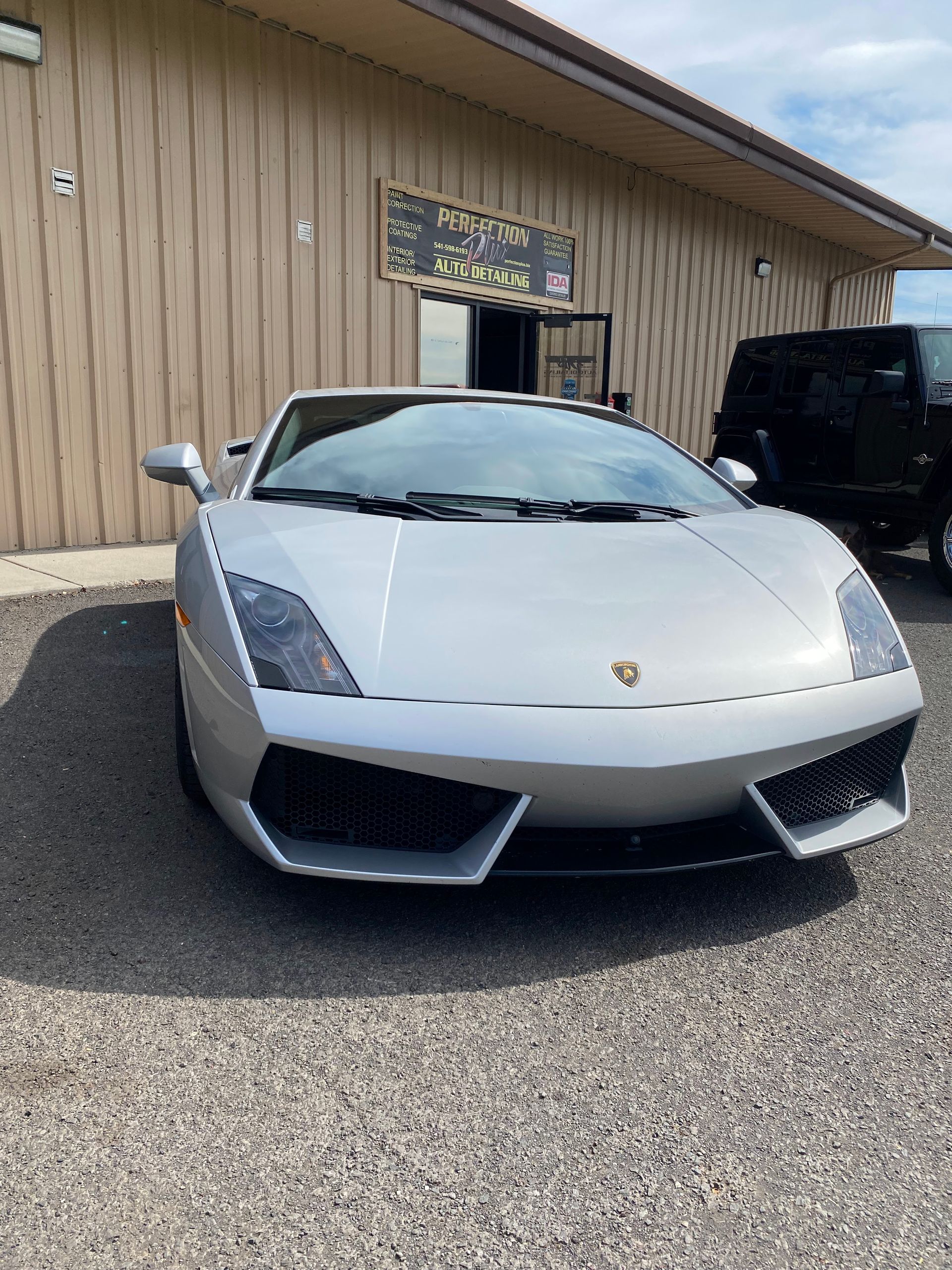
When the environment matters this much, choosing the right team makes all the difference. At Perfection Plus Auto Salon, every ceramic coating service is completed in a controlled indoor setting where temperature, humidity, airflow, and cleanliness are carefully managed from start to finish. This ensures proper bonding, consistent curing, and a finish that maintains its clarity and performance over time. If you want results that reflect the level of care discussed in this guide,
schedule your ceramic coating service in Culver, OR today and see how the right environment delivers lasting value!
Perfection Plus Auto Salon - Blog