Oregon Weather and Ceramic Coating: What Every Vehicle Owner Should Know
May 18, 2026
If you live in Oregon and care about keeping your vehicle looking its best, you've likely noticed how the local climate can work against you. Rain, humidity, road salt, and shifting temperatures all take a toll on your paint. Ceramic coatings offer a protective solution built to handle these challenges better than traditional wax or sealants, and understanding how Oregon's climate interacts with that protection helps you get the most from your investment.
Oregon's Climate: Why It Matters for Your Paint
Oregon is a state of extremes. Coastal areas deal with persistent rain and salt air, while inland regions like Redmond sit in the high desert, drier, sunnier, and subject to significant temperature swings between seasons and even between morning and afternoon.
For ceramic coatings, this variety matters. Near the coast, strong hydrophobic properties are essential for shedding water and resisting salt-air corrosion. In Central Oregon, UV resistance and durability against dust and heat take priority. A coating that performs well in one environment may be pushed harder in another, which is why local expertise makes a real difference at the point of application and beyond.
How Ceramic Coatings Work
A ceramic coating is a liquid polymer that chemically bonds with your vehicle's factory paint, forming a durable, semi-permanent protective layer. Unlike wax or sealants that sit on the surface and wear off relatively quickly, a ceramic coating becomes part of the paint itself.
The result is a surface that repels water, resists UV damage, and provides a meaningful barrier against common contaminants like bird droppings, tree sap, road salt, and acid rain. Quality coatings are rated highly on the Mohs hardness scale, offering real resistance to the everyday hazards that Oregon roads and weather deliver.
At Perfection Plus Auto Salon, every ceramic coating application begins with thorough paint correction. That foundation matters. A properly prepared surface allows the coating to bond fully, maximizing both durability and appearance.
Rain, Humidity, and Moisture Exposure

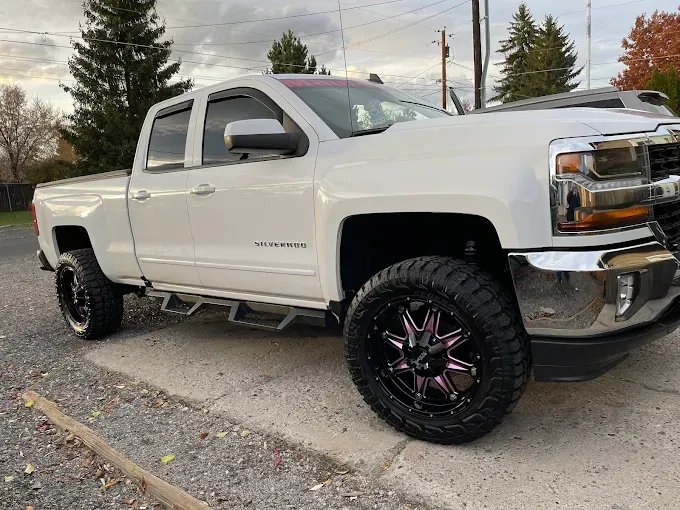
Oregon's rainfall and humidity create specific challenges during and after coating application. High moisture levels during the curing phase can slow the bonding process and, if conditions aren't carefully managed, lead to cloudiness or an uneven finish.
Once cured, frequent rain deposits minerals on the surface as it evaporates, gradually building up water spots that can etch into the coating if left unaddressed. The Oregon Department of Transportation applies road salt and de-icing chemicals across Oregon highways each winter, and these are equally aggressive on vehicle surfaces. Prompt removal after exposure is important, as no coating is completely immune to prolonged salt contact.
The solution is consistent care. Regular washing with a pH-neutral shampoo removes contaminants before they settle, preserving the coating's hydrophobic performance over time.
Temperature Swings and Thermal Stress
Ceramic coatings cure best in moderate conditions, roughly between 60°F and 80°F. How temperature affects the coating at each extreme is worth understanding:
- Below 50°F: Curing slows significantly, and chemical bonding weakens, resulting in reduced adhesion and greater vulnerability to contaminants
- 60°F to 80°F: The optimal range for curing and long-term durability, where chemical bonds form fully, and the coating performs as intended
- Above 100°F: Surface layers can harden too quickly during application, and prolonged heat exposure accelerates long-term wear on the coating's molecular structure
Beyond application, the daily cycle of warming and cooling, which is common across Central Oregon, causes the coating and paint to expand and contract repeatedly. Over time, this thermal stress can contribute to micro-level wear, gradually reducing the coating's effectiveness. Annual inspections help catch early signs before they become larger problems.
UV Exposure and Chemical Resistance
Oregon may not feel like a high-sun state, but UV radiation is present year-round and breaks down coating chemistry over time, dulling the finish and weakening water-repelling properties. Parking in shaded areas or using a quality car cover meaningfully slows this process.
Acidic contaminants such as bird droppings, tree sap, and acid rain pose a separate but related threat. Left on the surface, they gradually etch into the coating. Prompt cleaning with a pH-neutral product removes these before lasting damage occurs, preserving both appearance and chemical resistance.
Maintenance Tips That Make a Difference

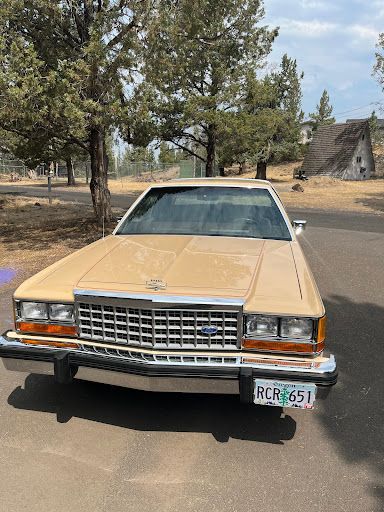
A ceramic coating is only as good as the care it receives. In Oregon's climate, these habits matter most:
- Wash monthly using a pH-neutral shampoo designed for coated vehicles
- Dry with soft microfiber towels to prevent micro-scratches and mineral deposits
- Avoid brush-style automatic car washes, as abrasive brushes cause cumulative surface damage
- Apply a ceramic booster every six months to restore hydrophobicity and reinforce UV and chemical resistance
- Schedule annual professional inspections to identify wear early and address it before it compounds
Layered Protection: Ceramic Coating and PPF
For maximum protection, many vehicle owners in Oregon combine ceramic coating with paint protection film (PPF). While a ceramic coating handles contamination and moisture at a molecular level, PPF provides a physical barrier on high-impact areas such as the front bumper, hood, mirrors, and wheel arches, absorbing rock chips and road debris before they reach the paint.
Together, the two systems cover what neither can fully address alone. The ceramic layer keeps the surface clean and UV-resistant, while the film guards against physical damage. In Central Oregon, where gravel roads and winter salt are facts of life, this combination is a particularly sound investment.
Protect Your Vehicle with Perfection Plus Auto Salon
Perfection Plus Auto Salon has served the greater Redmond area since 2009, bringing over 25 years of experience in ceramic coating, PPF, tint, and detailing to every vehicle that comes through the door. If you're ready to protect your investment with professional-grade care, we'd love to help.
Call us at (541) 598-6193 or fill out our online form to schedule online.
Frequently Asked Questions
What Oregon weather conditions affect ceramic coatings most?
Persistent rain and humidity are the toughest factors, contributing to water spotting and wearing on hydrophobic properties over time. Coastal salt air adds corrosion risk, and UV exposure stresses chemical bonds year-round. Consistent maintenance is the most effective response to all three.
Can ceramic coatings protect against pine sap and road salt?
Yes. The smooth, non-porous surface makes it significantly harder for these contaminants to bond with the paint. Prompt removal is still important, as the coating reduces damage and makes cleaning easier, but prolonged exposure to any corrosive substance will eventually cause wear.
Does seasonal temperature variation affect coating performance?
It can. Repeated thermal cycling contributes to gradual wear over time. Quality coatings are engineered to handle Oregon's temperature range well, and staying current with inspections helps catch any early signs of stress.
What maintenance is most important for Oregon drivers?
Monthly washing with a pH-neutral shampoo, proper drying technique, avoiding abrasive car washes, semi-annual ceramic boosters, and an annual professional inspection. This routine makes a meaningful difference in how long and how well your coating performs.
Perfection Plus Auto Salon - Blog