Choosing Tint Film for Different Vehicle Glass Types: Compatibility and Protection Explained
June 1, 2026
Not all window tint is created equal, and neither is the glass it goes on. Your windshield, side windows, and rear windows each have different compositions, legal requirements, and performance needs. Choosing the right film for each surface is what separates a tint job that looks great and lasts from one that fades, bubbles, or gets you pulled over. Explore our window tinting services or read on to learn what you need to know.
Types of Tint Film
The film market offers five main options, each with its own trade-offs:
- Dyed: Uses a layer of dye between adhesive and polyester. Affordable, adds privacy, and reduces glare, but offers limited heat rejection and can fade or turn purple over time.
- Metalized: Microscopic metallic particles reflect heat effectively and offer good durability, but can interfere with GPS, Bluetooth, and keyless entry systems.
- Hybrid: Combines dyed and metalized layers for better heat rejection than dyed film and less signal interference than metalized film. Some fading is still possible over time.
- Carbon: Carbon particles replace dyes and metals, delivering strong heat rejection, a matte finish, zero signal interference, and long-term color stability. Costs more than dyed or hybrid options.
- Ceramic: Non-metallic ceramic nanoparticles provide outstanding UV and heat rejection, exceptional clarity, and zero electronic interference. The highest-performing option, with the highest upfront cost.
At Perfection Plus Auto Salon, we help you weigh your budget, performance priorities, and vehicle type to find the right fit.
Ceramic vs. Metallic: Which Is Right for You?
These two film types are often compared because they sit at opposite ends of the performance spectrum.
Ceramic tints offer superior heat and UV protection, maintain excellent day and night visibility, and won't interfere with GPS, cell signals, or hands-free systems. For anyone who depends on in-vehicle technology, this matters.
Metallic tints provide a distinctive mirror-like finish, solid heat resistance, and enhanced privacy, but their metallic content can disrupt electronic signals. For drivers who rely on navigation or hands-free connectivity, that trade-off is worth considering carefully.
Ceramic Tint:
- Heat Rejection: High
- UV Protection: Very High
- Signal Interference: None
- Clarity: Excellent
- Privacy: Subtle
- Durability: Resists fading and scratching
- Cost: Higher
Metallic Tint:
- Heat Rejection: Moderate
- UV Protection: Good
- Signal Interference: Possible
- Clarity: Slightly reflective
- Privacy: Enhanced
- Durability: May degrade visually over time
- Cost: Lower
Tinting by Glass Type
Side Windows
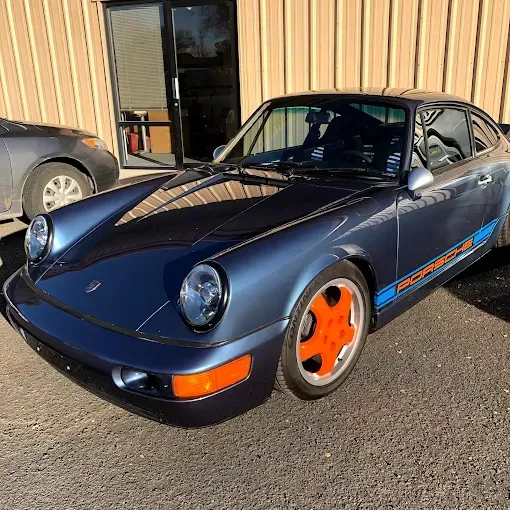
Side windows are where tinting delivers the most immediate benefit for privacy, heat control, and UV protection. The key variable is Visible Light Transmission (VLT), which refers to the percentage of light the film allows through. Lower VLT means a darker tint.
Oregon law sets specific VLT minimums for front and rear side windows. Going too dark can result in fines and mandatory removal. At Perfection Plus, legal compliance is built into every job, so you get the look and protection you want without the risk.
Rear Windows
Rear windows typically allow for darker tints under Oregon law, giving you more flexibility. Because rear glass is tempered rather than laminated like a windshield, it responds differently to heat and stress over time. Carbon and ceramic films are well-suited here, offering strong heat and UV rejection without compromising your rear defroster or electronics.
One detail worth noting: rear defroster lines require careful film application to remain fully functional. Our technicians ensure precise installation so nothing gets compromised.
Windshields
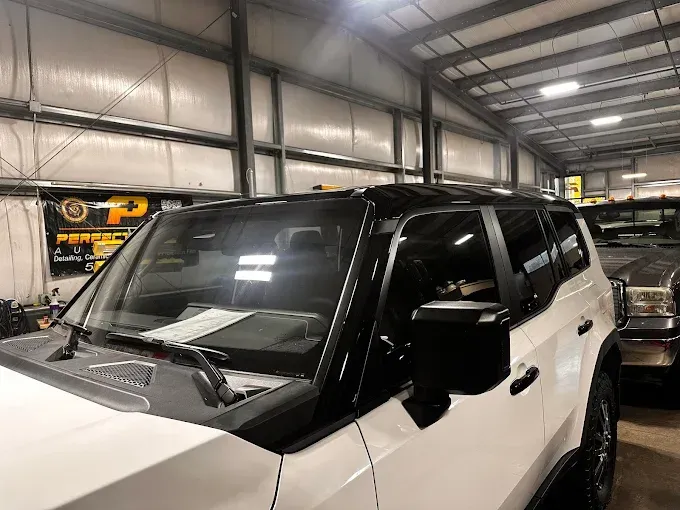
Windshield tinting is strictly regulated. In Oregon, only an upper strip along the top of the windshield is permitted, functioning as a built-in sun visor for low-angle glare during dawn and dusk. Standard dark tints are not allowed on windshields.
Specialty windshield films are engineered specifically for this application, providing meaningful UV and heat protection while maintaining the high light transmission the law requires. They preserve clear visibility, cause no signal interference, and protect your dashboard and interior from UV-related fading and cracking.
UV and Heat Protection
Beyond aesthetics, tint film serves a real protective function. Quality films block a high percentage of harmful UV radiation, protecting your passengers' skin and preventing your vehicle's interior from fading, cracking, and deteriorating prematurely. Dashboard surfaces, upholstery, and trim all benefit.
Heat rejection reduces interior cabin temperature, which means less immediate reliance on air conditioning and a more comfortable vehicle from the moment you get in. Over time, that reduced cooling load can contribute to lower fuel consumption as well. Learn more about long-lasting auto window tint performance and what it means for your vehicle.
Professional Installation Matters
Film selection is only half the equation. Even the best tint underperforms if it's not installed correctly.
Proper installation starts with meticulous window cleaning to eliminate any dust, oils, or residue that cause bubbling or adhesion failure. Film is then precision-cut to your vehicle's exact window dimensions, applied using squeegees and slip solutions to eliminate air pockets, and shaped around curves with heat tools for a firm, even seal.
After installation, keeping windows rolled up during a proper curing period allows the adhesive to bond fully. Skipping or rushing any stage shortens the life of your tint significantly. Professional installation also ensures full compliance with Oregon's tint regulations, so your investment is protected from day one.
Privacy and Aesthetics
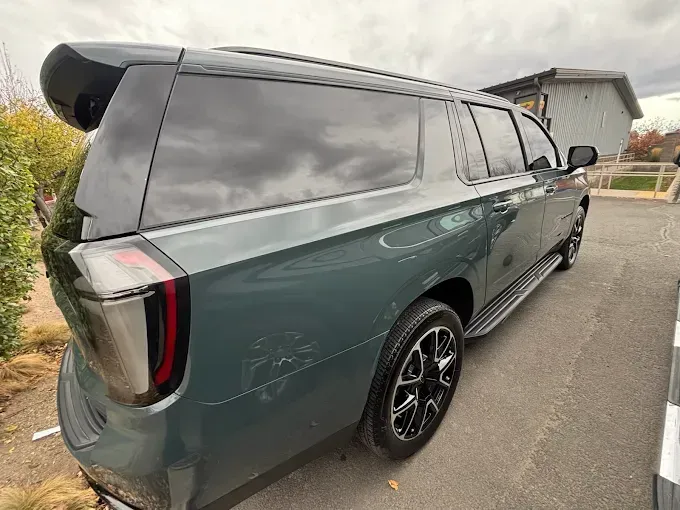
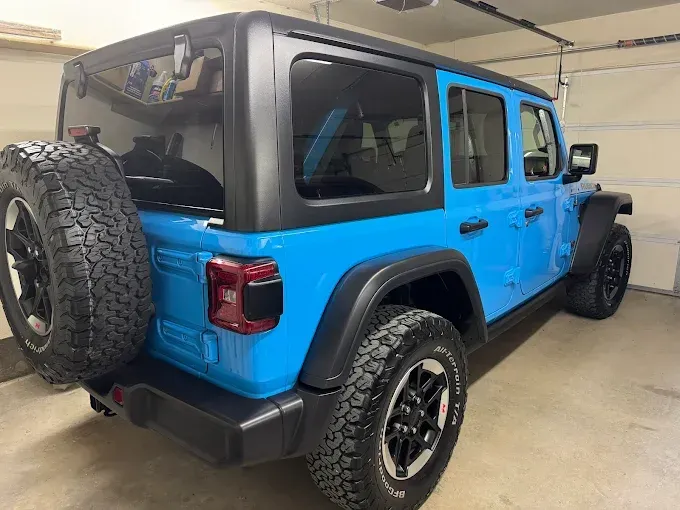
A quality tint job does more than protect your vehicle. It transforms the way it looks. Darkened glass adds a clean, sophisticated finish that holds up over time, especially with carbon or ceramic films that resist fading and maintain their depth year after year.
Customization options range from near-transparent films that offer subtle filtering to deeper tones that maximize privacy. Some films are available in charcoal, deep blue, or smoky black to complement your vehicle's exterior. Carbon and ceramic films are the top choice for drivers who want both style and long-term performance.
Carbon Tint:
- Appearance: Rich black, matte finish
- Protection: Strong infrared rejection
- Durability: Highly durable; resists fading
Ceramic Tint:
- Appearance: Exceptional clarity
- Protection: Blocks the vast majority of UV rays
- Durability: Zero signal interference; long-lasting
Ready to Protect Your Vehicle?
At Perfection Plus Auto Salon, we've spent over 25 years helping vehicle owners in Central Oregon protect and preserve what they've worked hard for. Whether you're looking to reduce heat, block UV rays, enhance privacy, or give your vehicle a cleaner, more refined look, the right tint film makes a lasting difference.
Our team will walk you through every option, match the right film to your vehicle and lifestyle, and install it with the precision your investment deserves.
Call us at (541) 598-6193 or reach out online to request your free quote today.
Frequently Asked Questions
How does glass type affect tint film performance?
Windshields use laminated glass, which supports strong adhesion and consistent UV protection. Side and rear windows use tempered glass, which responds differently to heat and stress. Matching the right film to each surface is one of the key reasons professional guidance matters.
How do I ensure proper installation?
Choose a professional installer who prioritizes preparation: thorough cleaning, precise cutting, and correct application technique. Follow all post-installation curing instructions to ensure the adhesive bonds fully and the film performs as intended.
What should I consider when selecting tint for different windows?
Start with Oregon's VLT requirements for each window location, then consider your heat rejection and UV protection priorities and how important electronic signal compatibility is for your daily driving. Ceramic films are a strong all-around option for most modern vehicles.
What are Oregon's tint regulations?
Oregon specifies minimum VLT levels depending on the window location, and requirements differ between front side, rear side, and rear windows. Because regulations can change, we recommend verifying current requirements on the Oregon government's official window tinting page or speaking directly with our team before making a selection.
Are there windshield-specific tint films?
Yes. Specialty windshield films are engineered to deliver UV and heat protection while maintaining the high light transmission required by law, making them quite different from the films used on side and rear windows. Our team at Perfection Plus can walk you through the right options during a consultation.
Perfection Plus Auto Salon - Blog